 Wishlist
Start with the finished workflow in mind
You want a space where clothes move logically from dirty to clean to folded and stored without repeated trips or bottlenecks. An organized laundry room minimizes steps: drop, sort, wash, dry, treat, fold, and return. Picture that path first and let layout, storage and simple habits support it.
Choose the right layout for how you actually do laundry
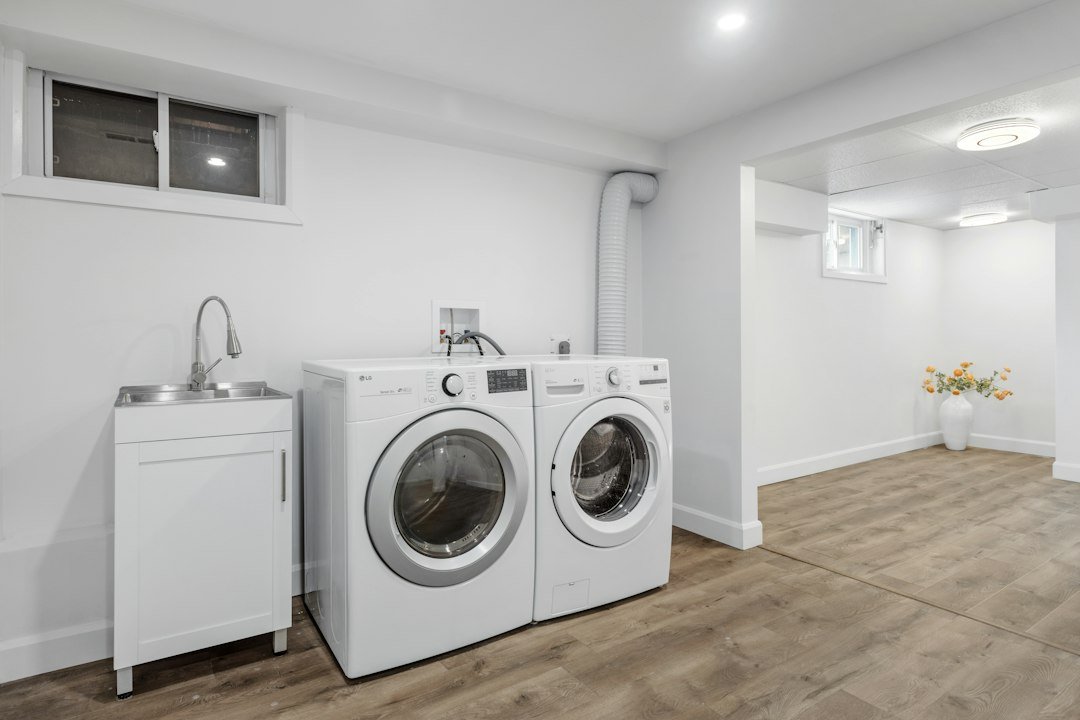
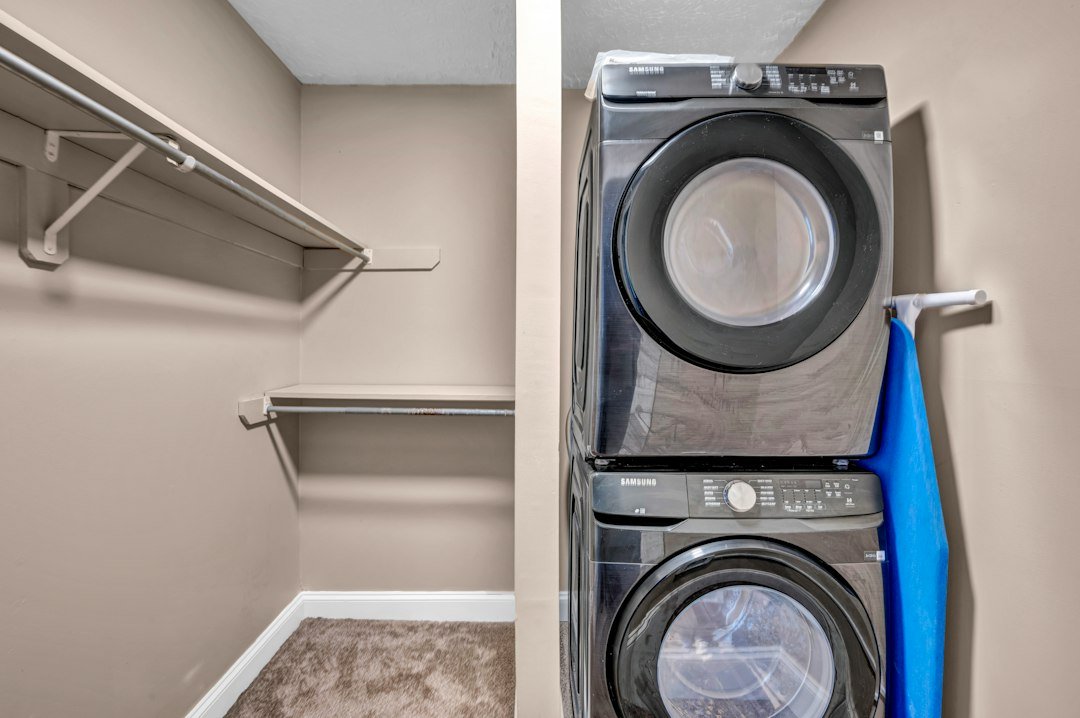
The first decision is appliance placement. If you handle baskets on the floor (most people), side-by-side washers with a counter above them make folding easy. If floor space is tight, stack the dryer and washer and add a drop-down or wall-mounted folding surface nearby. For homes with frequent bulky items, give a bit more clearance in front of machines.
Also plan plumbing and electrical access before committing to shelving or cabinets; moving hookups is often costlier than swapping storage later.
Designate zones that match tasks
- Sort/drop zone: A hook or slotted shelf near the entrance for soiled clothes, or three baskets labeled “lights,” “dark,” “delicates.”
- Wash/dry zone: Space to access machines, vents clear and baskets at a reachable height.
- Treating station: Small shelf with stain removers, a soft-bristled brush and a container for soaking items.
- Folding and prep: A continuous counter or pull-out board where you fold, treat buttons and pre-sort to rooms.
- Storage and return: Bins or shelves for laundry products, spare hangers, and baskets for return-to-bedroom clothes.
Make vertical storage earn its keep
Vertical shelves and an over-washer storage rack capitalize on otherwise wasted space. Open shelving keeps frequently used detergents and sprays reachable; closed cabinets hide clutter like bulk paper towels or cleaning supplies. If you’re short on depth, shallow wall shelves or a slim, tall cabinet accommodate supplies without crowding the walkway.
Pick the right containers and labeling system
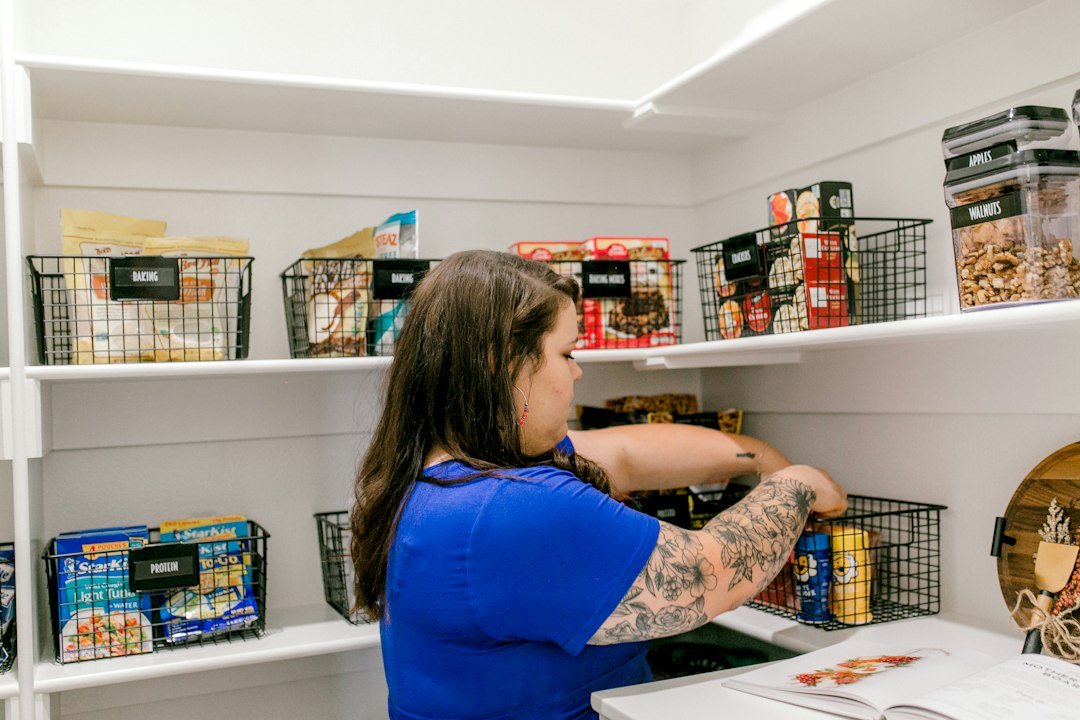
Use baskets for temporary sorting and fabric-type bins for long-term storage (cloth diapers, wool items). Clear or labeled containers speed identification—print simple tags like “stain treatments,” “dryer sheets,” or “delicates.” Use wire bins or ventilated baskets for damp items to avoid mildew.
Create a practical folding and hanging solution
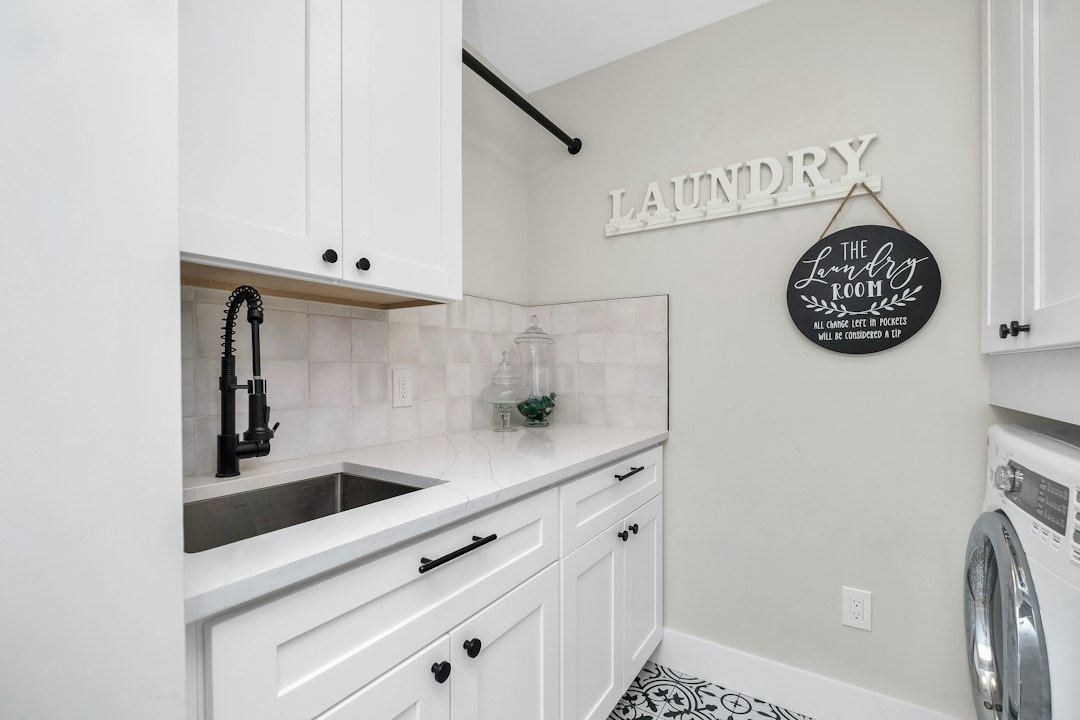
A continuous counter over machines is ideal but not mandatory. Alternatives: a slim folding board that stores flat, a pull-out shelf, or a wall-mounted drop-down table. Add a wall-mounted rod or retractable drying rack above the counter for items that need air-drying or immediate hanging to avoid wrinkles.
Control clutter with a small-but-right supply kit
Keep only the supplies you actually use near the machines. A small caddy with detergent, stain remover, measuring cup and a lint brush fits on a shelf or counter. Reserve bulk refills in a single lower cabinet or a labeled tote to refill the working container—this reduces shelf overcrowding and expired products.
Plan for laundry-specific needs
- Ironing: If you iron regularly, a wall-mounted ironing board holder or the Ironing Board Hanger (ID 4490) keeps the board tidy and accessible.
- Drying: Add a ceiling-mounted drying rack or fold-down wall airer for delicates; place it near a window or vent for faster drying.
- Stain care: A shallow sink helps with soaking; if you can’t add a sink, use a deep utility tub or a portable soak basin stored under the counter.
Choose one useful product to streamline daily use
If you need a single storage upgrade that changes how the room operates, an over-washer storage shelf makes the biggest immediate difference—providing both open access and a surface for sorting. For most readers the top matching pick is the sturdy Laundry Basket Holder Shelf, 4-Tier (ID 6149). It holds multiple baskets, keeps laundry off the floor, and creates a visible sorting system.
Lighting, ventilation and finishing details that matter
Bright, shadow-free lighting over machines and the folding surface prevents missed stains and helps folding. A vent fan or a clear path to an exterior vent reduces moisture and mildew. For finishing touches, choose washable paint, slip-resistant mats in front of machines, and a small clock or timer to track cycles.
Everyday rules that keep the room organized
- Run a single family sorting routine: one basket per person or per color, kept in the drop zone.
- Empty lint trap after every dryer load and check vents monthly.
- Return folded laundry to bedrooms within 24 hours to avoid pileup.
- Do a quick weekly tidy: wipe counters, replace empty detergent jugs, and re-basket stray items.
Troubleshooting and small-space adaptations
Small laundry closets: Use slim vertical shelving, wall hooks, and a fold-down counter. No dedicated room: create a portable system—a rolling cart for supplies and a collapsible sorting set that stows under a bed. For awkward vents or older homes, consider a ventless dryer or consult a technician before enclosing appliances with cabinets.
Related resources
For more organizing approaches that fit tight spaces, see 15 Clever Closet Organization Ideas for Small Spaces and browse our Laundry Organization category for more products.
- Confirm washer/dryer placement and clearance for loading.
- Install over-machine shelving or a folding surface within reach.
- Create a visible sorting system (3 baskets or labeled bins).
- Designate a small stain-treatment and supply caddy.
- Add hanging/drying options near the folding area.
- Check ventilation and add non-slip mats in front of machines.
An organized laundry room begins with a workflow: map the path clothes take, then choose layout and storage that remove friction. One well-chosen storage piece plus clear habits will cut time and clutter.
Should I stack or keep washer and dryer side-by-side?
Side-by-side is best if you fold on-site; stacking saves floor space and works if you add a nearby folding surface. Choose based on whether counter space or floor space is the limiting factor.
How many sorting baskets do I need?
Three basic baskets (lights, darks, delicates) suit most households. Adjust by family size or laundry routine—one per person works well for families with daily loads.
What’s the easiest way to handle delicates and air-dry items?
Install a retractable drying rack or wall-mounted rod above the folding counter so delicates can hang immediately after washing to reduce wrinkling and re-wetting.
Can I store laundry products above the washer?
Yes—use sturdy, ventilated shelving and keep heavy liquids on lower shelves. Keep detergents out of reach of children and avoid placing anything that could vibrate into machines during cycles.
What’s one product that improves most laundry rooms?
An over-washer or multi-tier laundry basket shelf creates instant sorting and storage, turning cluttered piles into manageable baskets.