 Wishlist
Start with the result you want: a clear surface, accessible essentials, and room to move
Small bathroom storage often fails because people assume everything needs to stay in the bathroom. The realistic end result is not zero stuff—it's a system where daily essentials are within reach, extra items are compactly stored, and cleaning is easy. This plan shows how to get there using layout changes, space‑saving organizers and simple habits.
Assess what must stay and where it fits
Quickly audit everything currently stored in the bathroom. Group items into: daily use (toothpaste, face wash), weekly/occasional (shaving cream, extra soap), medical/first aid, and bulk supplies (toilet paper, backups). You’re aiming to keep only daily use items on or near the sink and move the rest to compact storage.
- Measure available surfaces: vanity top, inside vanity cabinet, drawer depth, wall height above toilet, and shower corners.
- Decide a primary zone for daily routines (sink/vanity area) and secondary zones for storage (over-toilet, under-sink, hallway closet).
Clear the counter: one tray and one category rule
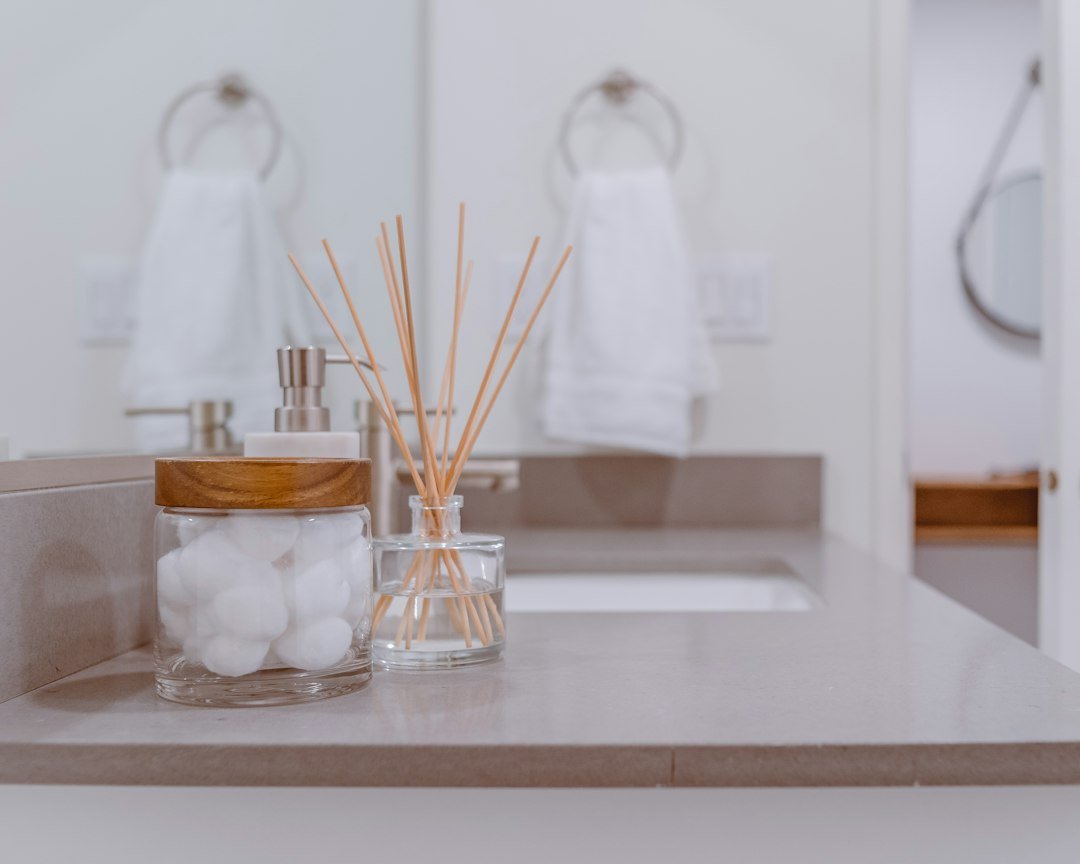
Keep only active daily items on the counter—usually 3–6 objects. Contain them on a small tray or shallow caddy to make wiping surfaces fast. If your vanity has no surface, hang a slim mirror shelf or use the medicine cabinet for the same purpose.
Use vertical storage: over-the-toilet and wall-mounted solutions
When floor footprint is tight, go vertical. An over-the-toilet shelf or narrow tower uses dead space and keeps bulky items off the floor. Install two or three tiers: top for backups (toilet paper), middle for baskets with folded towels, and lower for frequently reached items.
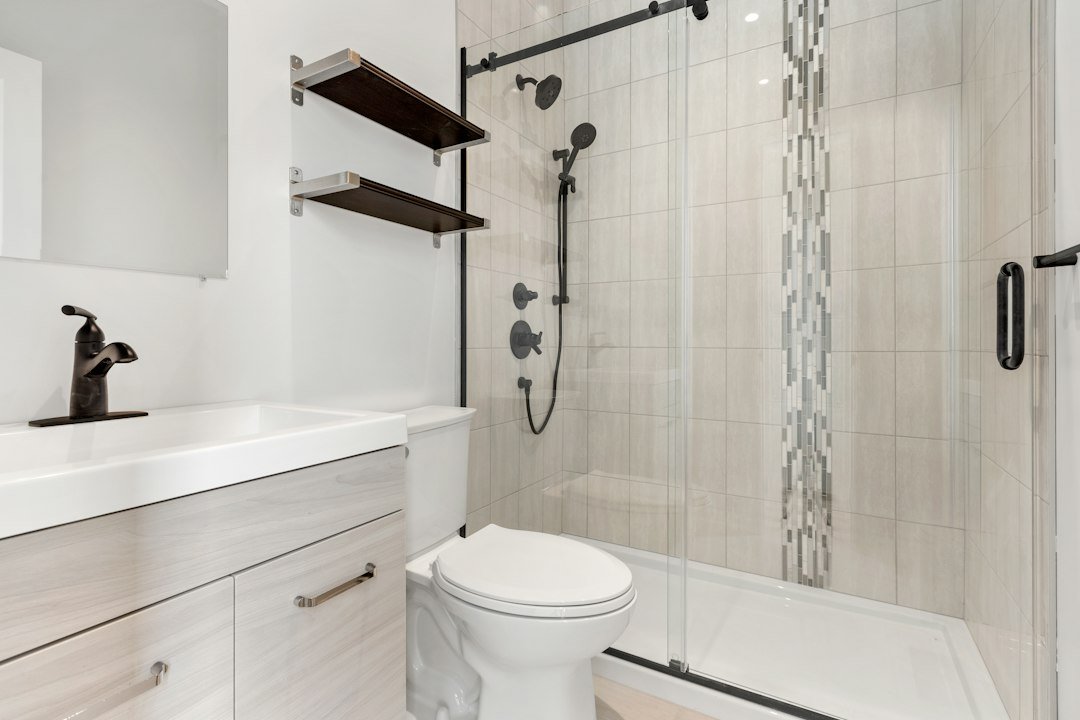
Make the most of under-sink space with targeted organizers
Under-sink areas are oddly shaped but deep. Use pull-out organizers, tiered turntables, or stackable bins so you don’t lose items at the back. Label bins for medicine, cleaning supplies, and hair tools so everyone returns items to the right place.
Product suggestion: if you want an immediate under-sink solution, consider the Kitstorack Under Sink Organizer for adjustable shelving that fits narrow cabinet footprints.
Organize drawers by function and visibility
Sort drawer contents by task (morning skincare, makeup, grooming). Use clear or bamboo drawer organizers to keep small items from scattering. Shallow trays work well for flat items; deeper bins hold bulkier tools. Keep the most-used drawer nearest your dominant side.
Tip: clear plastic drawer dividers make it easy to see and maintain where each item belongs instead of piling items together.
Rethink the shower: use tension pole caddies and hooks
Shower corners are prime real estate. A tension-pole caddy with adjustable baskets stores shampoo, conditioner and razors without drilling. Keep each person’s products on a single shelf to avoid clutter. Add adhesive hooks for loofahs and brushes to keep them off surfaces and allow faster drying.
Choose containers by task, not aesthetics
Match container size to the contents. Narrow baskets for extra washcloths, slim bins for hair tools, deep bins for toilet paper. Clear containers make inventory obvious at a glance; woven or labeled baskets hide visual clutter when you prefer a coordinated look.
Allocate overflow outside the bathroom
Shift bulk supplies like extra shampoo, bath towels in bulk, and rarely used first‑aid to a linen closet, hall cupboard, or under-sink in another room. If you don’t have a separate linen closet, use a slim rolling cart tucked in a hallway or bedroom closet.
Daily and weekly habits that keep storage working
Two small habits make a big difference: (1) A 60‑second nightly reset—clear the counter and return items to their bins; (2) A 10‑minute weekly check—refill essentials and discard expired toiletries. These short routines prevent clutter from re-accumulating.
Troubleshooting common small-bathroom problems
Too many small items and no drawer space
Use wall-mounted magnetic strips for metal tools (tweezers, clippers) and a slim hanging pouch on the towel bar for single-use items like cotton pads.
No wall space for shelving
Choose over-the-toilet units or tension-pole caddies for the shower; freestanding narrow towers can also fit beside the vanity. If the floor is entirely full, consider a mirror medicine cabinet if wall depth allows.
Moisture ruins baskets or organizers
Use plastic or coated containers in damp areas, or line woven baskets with small breathable pouches. Store linens on higher, drier shelves.
Where to spend and where to save
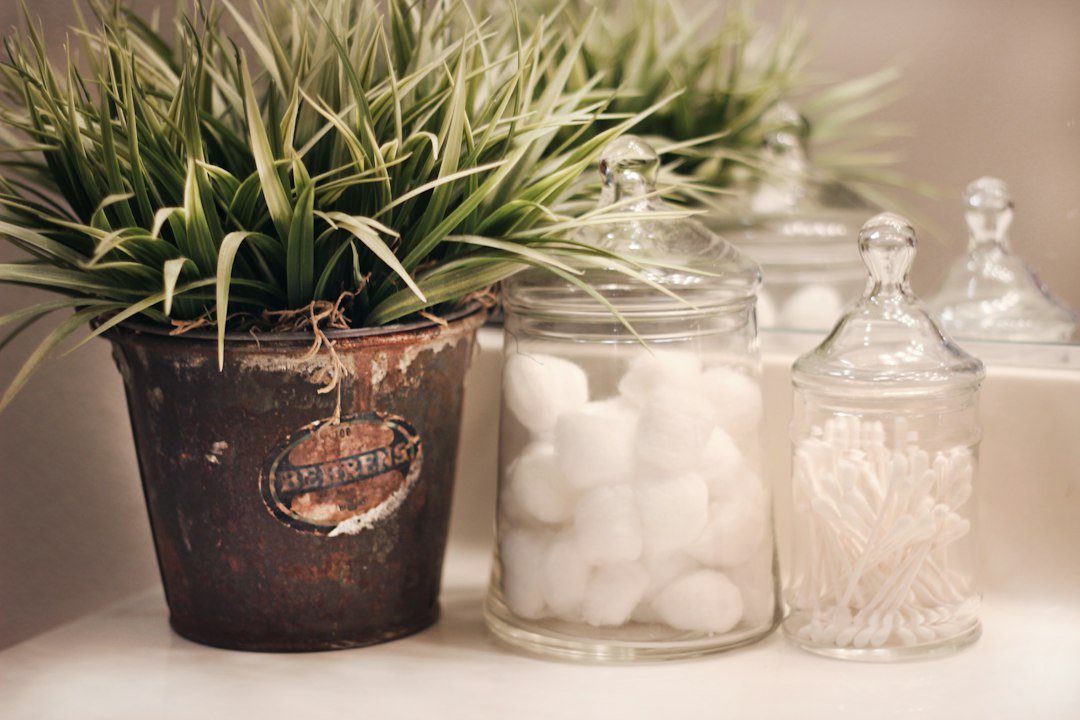
Spend on one well-fitting under-sink pull-out, a sturdy over-the-toilet shelf, or a tension pole caddy—these solve layout problems. Save by using inexpensive baskets, repurposed jars for cotton swabs, and DIY labels.
- Measure vanity, drawer depth, and wall space before buying organizers.
- Designate zones: daily, weekly, bulk storage.
- Choose one container per category (tray, drawer organizer, basket).
- Install vertical units (over-toilet or tension caddy) before purchasing additional bins.
- Move bulk supplies out of the bathroom whenever possible.
Organizing a small bathroom is mostly layout and decision-making: keep daily items visible and minimal, use vertical and pull-out storage, and move bulk stock elsewhere. A few targeted purchases plus short daily habits maintain the system.
How do I choose between an over-the-toilet shelf and a medicine cabinet?
Pick an over-the-toilet shelf when you need open storage for towels and baskets; choose a medicine cabinet if you need concealed vertical storage for toiletries and have suitable wall depth.
What’s the best way to organize makeup in a tiny bathroom?
Use a small countertop tray for daily items and a drawer organizer for the rest; consider a rotating vanity organizer if counterspace is limited.
Are adhesive shelves worth it in a rental bathroom?
Yes—high-quality adhesive shelves and hooks can add storage without drilling, but always check weight limits and manufacturer instructions to avoid damage.