 Wishlist

Quick takeaway: small habits beat heroic cleanups—start with one 5-minute routine and one permanent spot for common items.
If you want to keep your home clutter-free every day, the practical path is short, repeatable habits plus simple containment systems. Adopt a daily five-minute tidy, create designated drop zones, and use a few clear storage tools so items don’t wander. Below are 12 concrete, easy-to-keep strategies with examples and what to watch for.
1. Do a five-minute tidy twice daily
Set a timer for five minutes after breakfast and again before bed. Focus only on surfaces—kitchen counters, coffee table, entryway. Put items back where they belong or into a temporary “action” basket for sorting later. Two short bursts prevent the pile-up that leads to weekend overhauls.
2. Create an entryway drop zone that contains the chaos
Pick one small surface (bench, shelf, or tray) and two vertical spots (hooks for coats and a bin for shoes). Keep a shallow tray for keys and a slim umbrella stand near the door. Making the drop zone obvious reduces the “I’ll put it down later” syndrome.
3. Keep one “inbox” for mail and papers
Use a single desktop inbox or wall-mounted sorter for all incoming mail. Process it immediately—recycle junk, file important papers, and schedule bills on a day of the week. Reduces paper piles and prevents loose receipts from migrating across the house.
4. Use clear, labeled bins in high-traffic spaces
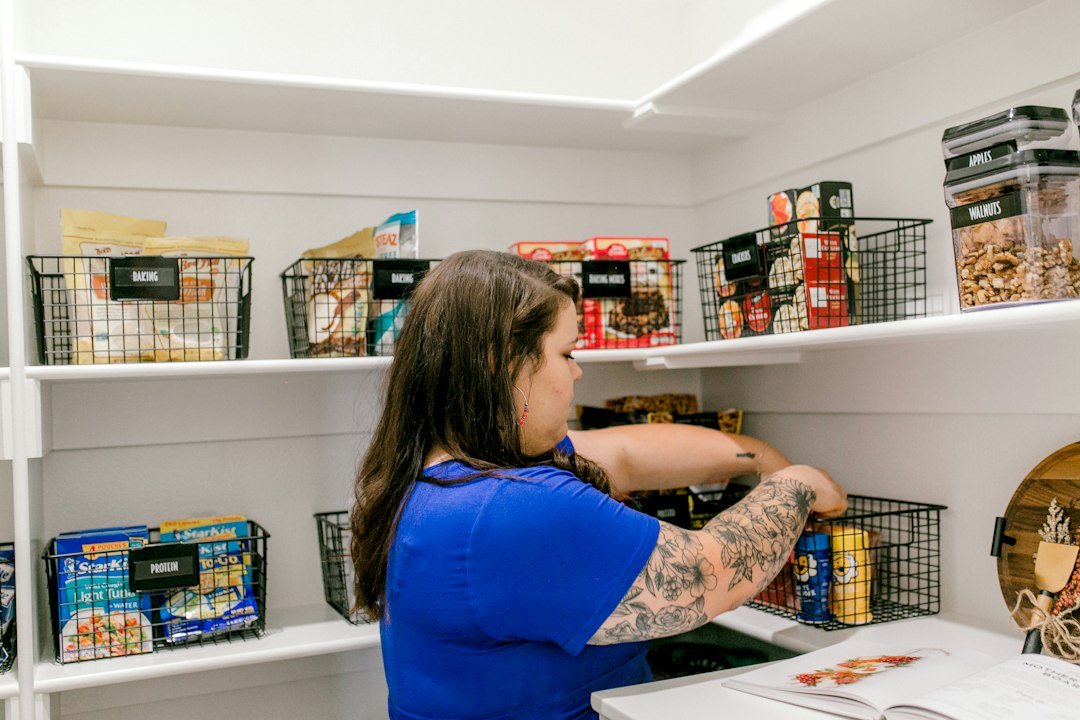
Transparent storage makes it obvious what belongs where and cuts decision fatigue. Try clear pantry bins for snacks, a labeled toy bin for kids’ playthings, and a clear tub for seasonal accessories. Clear bins speed put-away and help you see when to restock or purge.
5. Keep a “five-item rule” when you pick something up
Whenever you pick up an item that doesn’t belong, relocate up to five related items to their proper places in one go. This multiplies the effect of small actions—one hitch: don’t let the task balloon. If it grows, timebox it to 10 minutes and finish later.
6. Build a one-touch habit for common actions
One-touch means doing the final action immediately: hang a jacket when you take it off, return dishes to the sink, file a receipt. These tiny habits stop things from becoming “in progress” indefinitely.
7. Use temporary holding baskets for quick sorting
Keep one small basket per floor labeled “Sort” or “Return” for items you’re unsure about during a five-minute tidy. Once a day—or every few days—empty the basket back to rooms or into donation. It’s better than leaving objects scattered while you decide.
8. Schedule micro-declutter slots for problem zones
Identify one area that regularly collects clutter (kitchen counter, dresser, home office) and schedule a 10–20 minute declutter session once or twice weekly. Focused attention keeps those hotspots under control without overwhelming your calendar.
9. Pare down surfaces—limit display to what you use or love
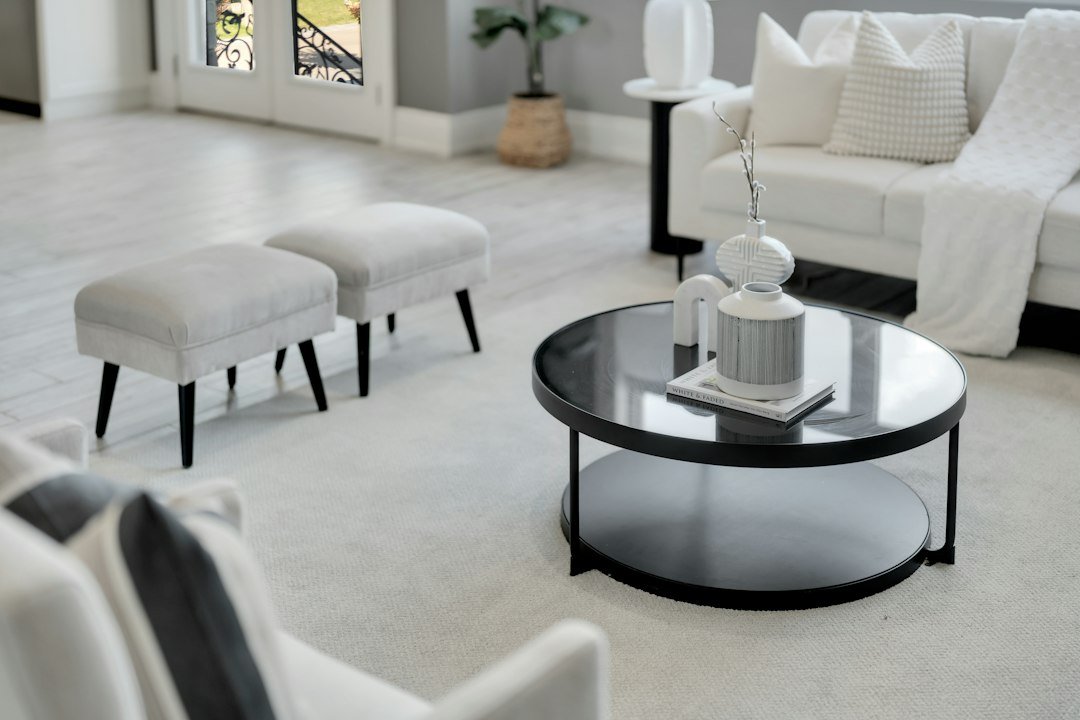
Choose one or two surfaces per room for displays. Too many items invite dust and decision fatigue. A clear coffee table or a single catch-all tray on the kitchen counter makes daily cleaning quick and visually calming.
10. Make donation easy and obvious
Keep a small donation box in a closet or under a bed. When something is noticeably unused, drop it in. When the box fills, schedule a drive to donate. This reduces the friction of letting go—one of the biggest barriers to staying clutter-free.
11. Tame cables and desktop clutter
Use a cable management box behind your desk and a small pen holder for writing tools. Consolidate chargers into a single drawer with labels so they’re not left on counters. A tidy workstation reduces visual noise and keeps the rest of the house from becoming a junk landing zone.
Product idea: if your desk area is a recurring hotspot, a cable management box provides an immediate, low-effort fix.
12. Make storage serve routines, not just hide stuff
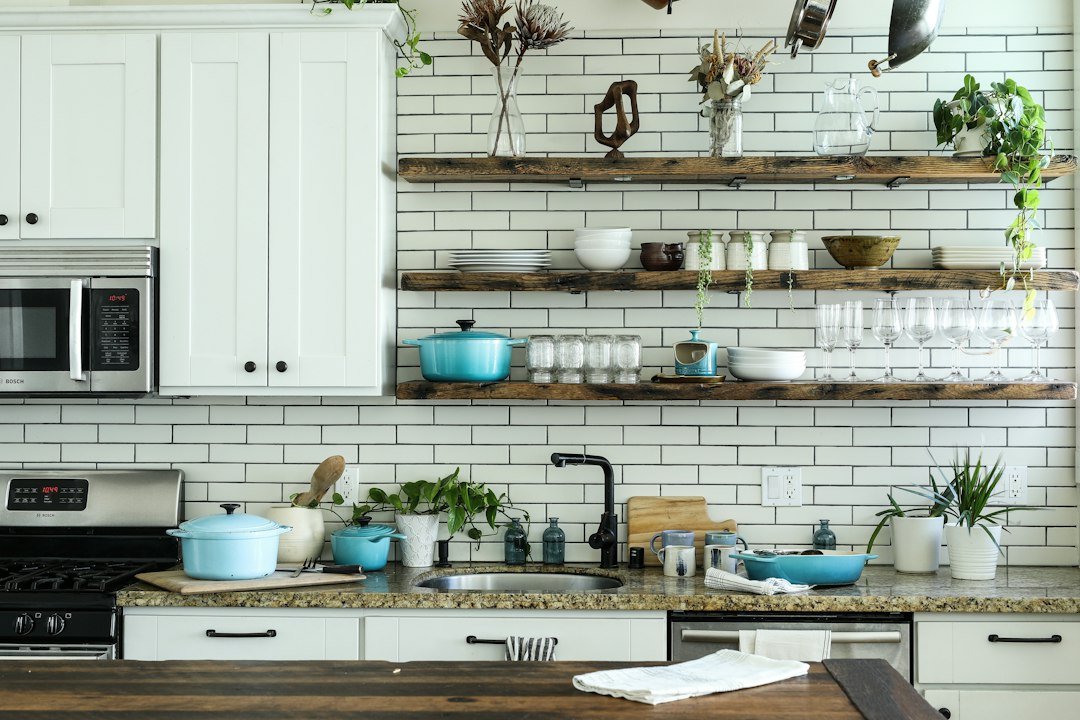
Design storage around how you live. Place everyday dishes in easy-to-reach shelves, keep outgoing mail items in the entryway bin, and store seasonal items in clearly labeled bins. If storage fits actions, people use it; if it’s inconvenient, items will escape the system.
Next steps checklist
- Set two five-minute tidy alarms (morning and night).
- Designate one entryway surface and add a tray or umbrella stand.
- Place one clear bin in a high-traffic spot for instant containment.
- Keep a donation box in a closet and commit to emptying it monthly.
- Choose one hotspot and schedule a 15-minute weekly declutter slot.
Daily maintenance beats rare deep cleans. Focus on repeatable micro-habits, obvious storage, and a simple paper and entryway system. Those low-friction moves are what actually prevent clutter from forming.
How long before these habits feel natural?
Most people find five-minute tidies become routine in 2–3 weeks; pairing them with an existing cue (like after breakfast) speeds habit formation.
What storage items are most worth buying?
Clear bins for pantry and multipurpose storage bins for high-traffic areas are the most useful purchases because they make contents visible and put-away easier.
How do I stop sentimental clutter without regret?
Start small: photograph sentimental items before donating, or limit keepsakes to one labeled box; over time you’ll learn what truly matters.
What’s the best way to handle kids’ toys?
Rotate toys using a couple of labeled bins and keep only current favorites accessible; this reduces visual clutter and renews interest in older items.
How often should I clear the ‘inbox’ or donation box?
Process the mail inbox within 48 hours and empty the donation box monthly to keep momentum and avoid secondary clutter buildup.