 Wishlist
Small misconception to skip: storage isn’t just about more boxes
Many renters assume the fix for a cramped apartment is buying more containers. The smarter move is to change where and how you use the apartment’s existing space. These 14 space-saving storage ideas focus on reclaiming vertical surfaces, using multi-functional furniture and making hidden spaces useful so you gain usable floor area, not another stack of boxes.
1. Treat vertical walls as square footage
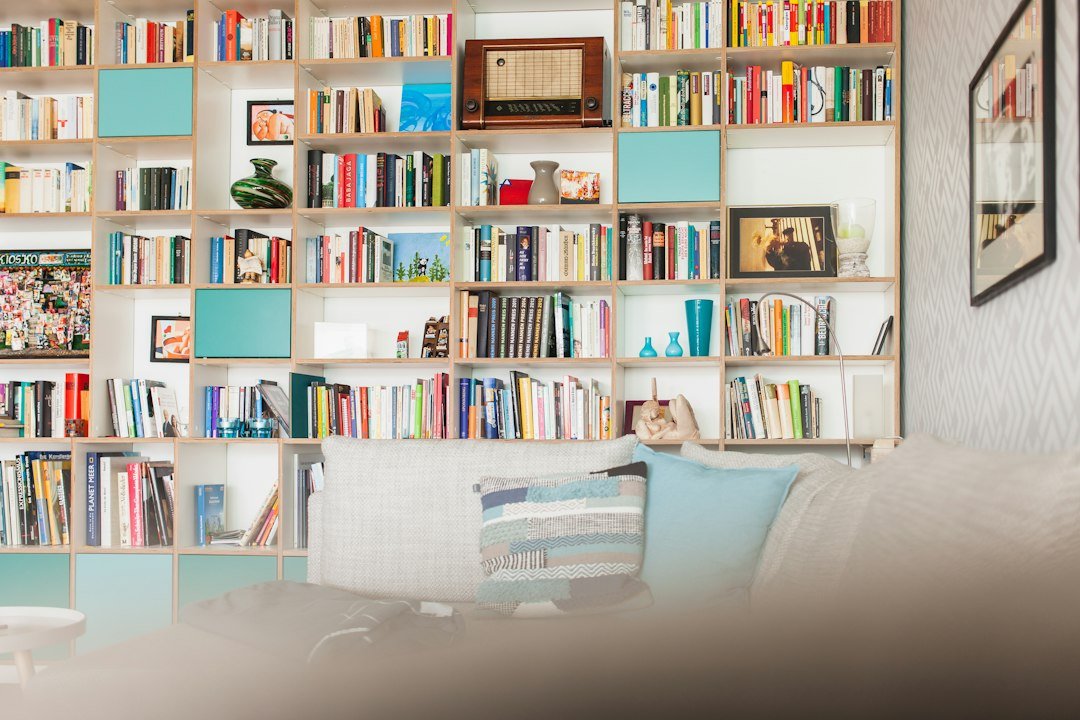
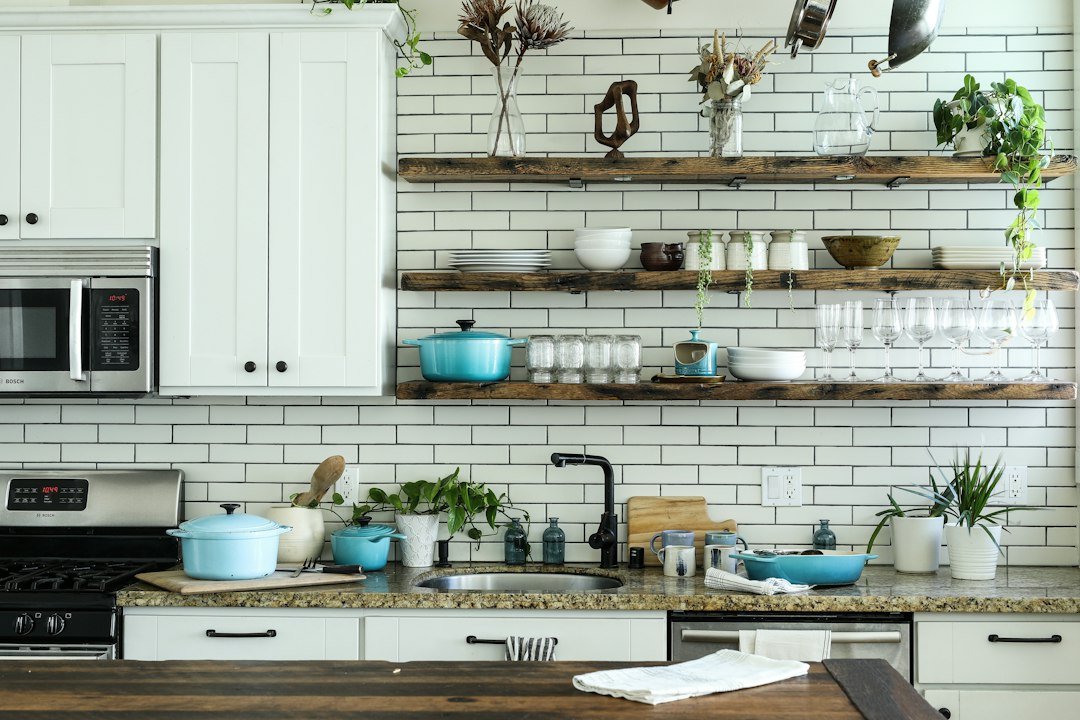
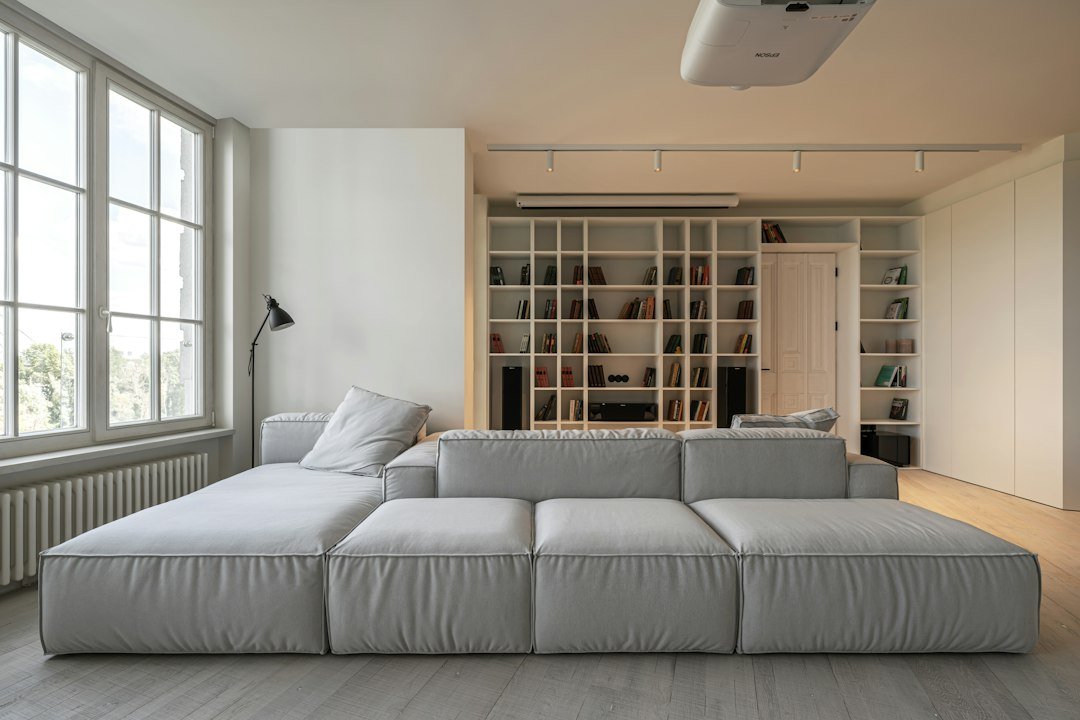
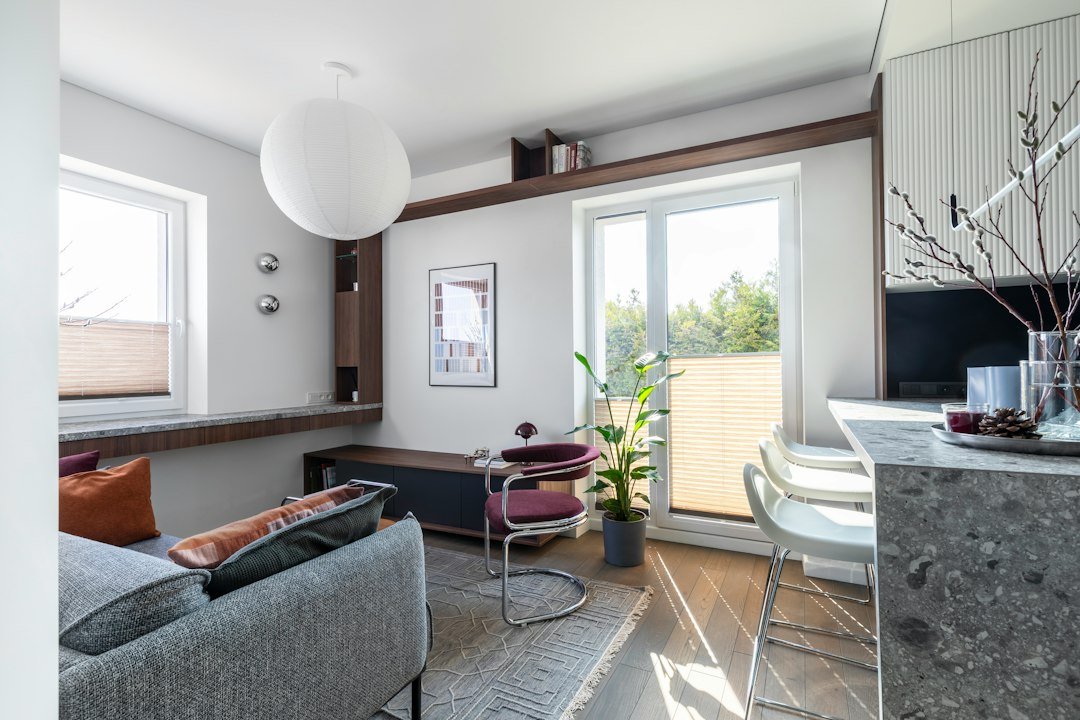
Install tall shelving or slim bookcases that go up toward the ceiling. Open shelving keeps things visible (so you don’t overbuy) and draws the eye upward, making the room feel larger. In narrow rooms, floating shelves staggered at different heights avoid the “ladder” look while storing books, plants and baskets.
2. Use over-the-door and behind-door organizers
Doors are wasted space. Over-the-door shoe organizers, towel racks, or slim caddies work for shoes, cleaning supplies, toiletries or pantry snacks. Pick lightweight fabric organizers for rental doors to avoid damage.
3. Make under-bed storage work harder
Under-bed is one of the largest hidden volumes in a small apartment. Choose flat, rolling bins for linens, seasonal clothing or shoes so you can access items without heavy lifting. If your bed allows, a simple riser set gives you extra clearance for taller bins.
4. Use stackable and modular closet organizers
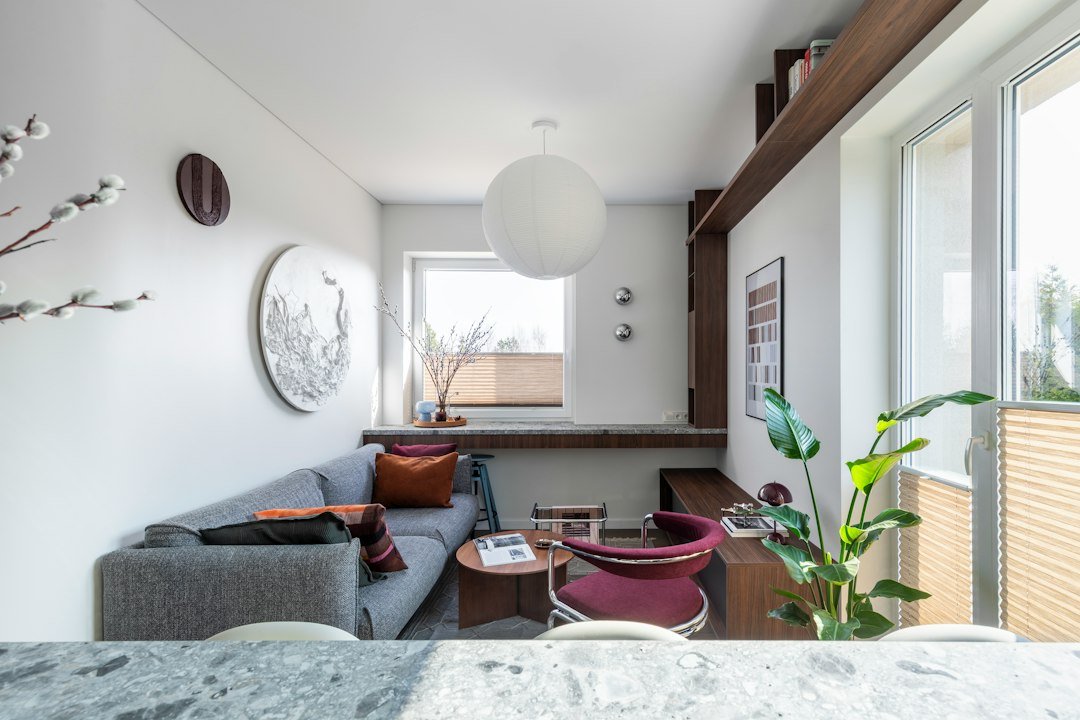
Closets in small apartments are often shallow or short. Stackable shelf organizers and modular cubes let you create vertical tiers for sweaters, bins and accessories. Consider hanging shelf units to add a middle shelf while keeping hanging rod space.
Closet shelf organizers are a fast upgrade; the 3-pack stackable closet organizers handles vertical stacking without custom shelving.
5. Choose furniture that pulls double duty
Lean toward multifunction pieces: a storage ottoman that hides blankets, a coffee table with drawers, or a Murphy desk that folds away. When shopping, measure the folded and open dimensions and imagine daily routines so the second function is convenient, not awkward.
6. Add narrow vertical furniture for tiny corners
Tall, narrow cabinets or slim consoles fit beside a fridge, beside a sofa or in an entryway to hold keys, mail and kitchen overflow. The narrow footprint preserves walkways while the height provides substantial capacity.
7. Use rail systems in the kitchen and bathroom
Rails and wall-mounted bars (with hooks or baskets) turn bare walls into organized zones: hang utensils, mugs, spice racks or shower caddies. This frees counter and cabinet space and keeps everyday items within reach.
8. Group small things into labeled containers
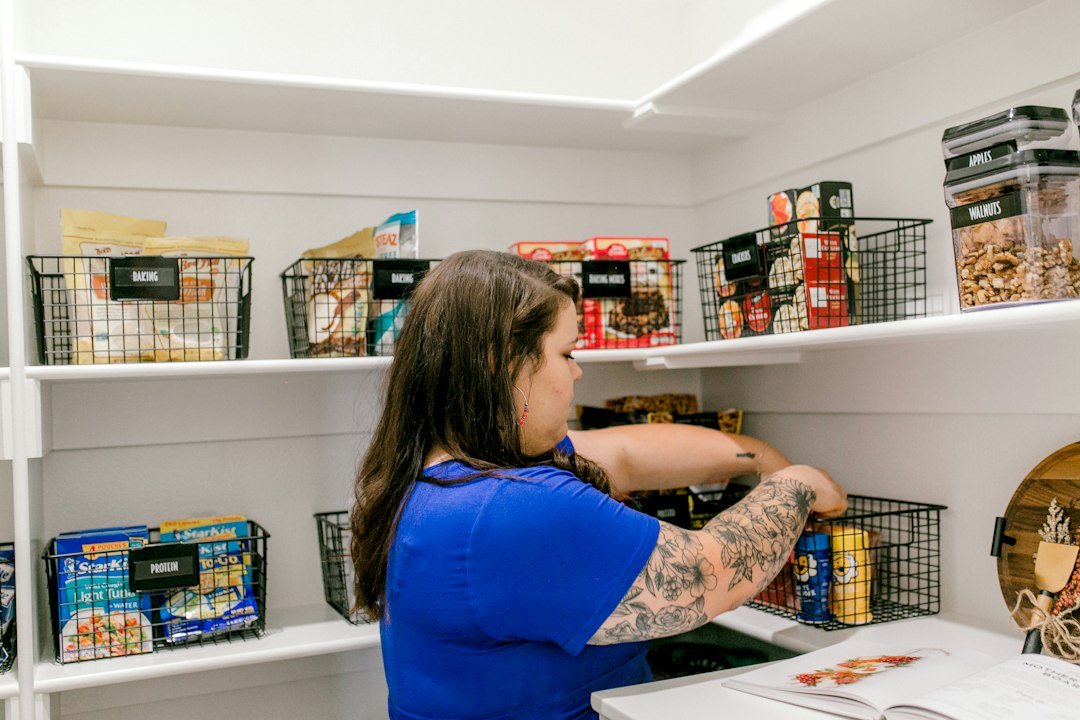
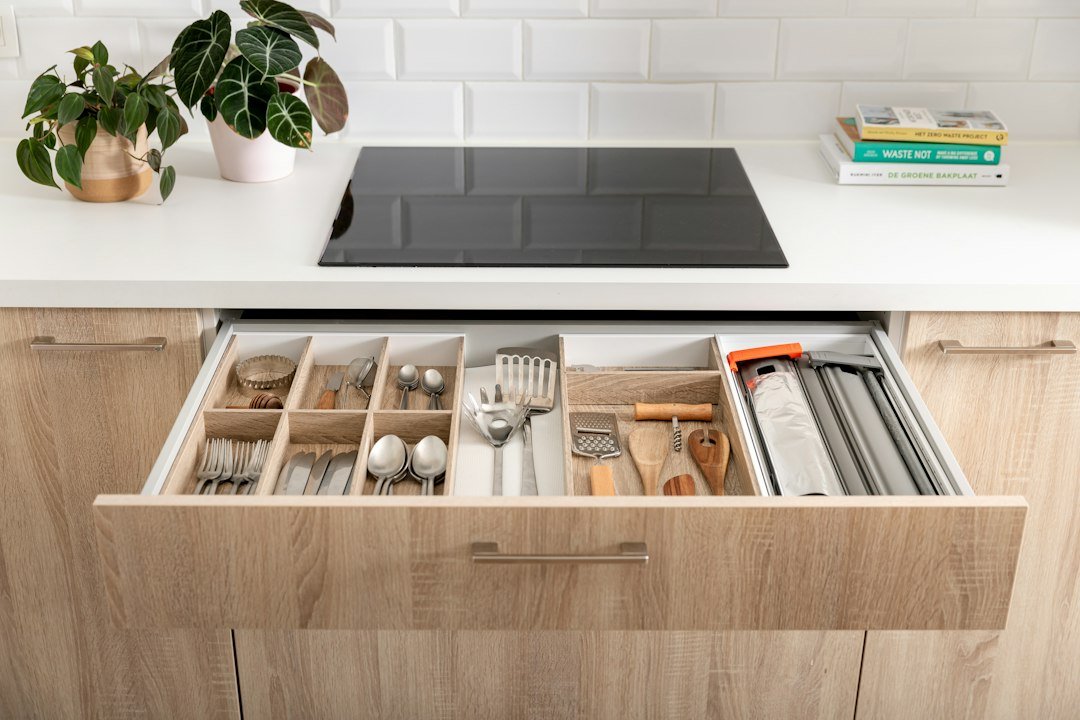
Small, similar items scattered in drawers create clutter. Use small clear bins or labeled baskets inside cabinets and on shelves to corral electronics, chargers, craft supplies or medicine. When everything has a designated container, maintenance takes minutes, not hours.
9. Optimize pantry with risers and tiered organizers
Maximize cupboard depth with shelf risers, lazy Susans and tiered can organizers so you can see and reach items without moving everything. This avoids duplicates and reduces wasted space behind front rows of cans.
If you struggle with a small pantry, consider a compact can organizer to stack vertically and free shelf area.
10. Turn stair risers, nooks and awkward gaps into storage
Even shallow gaps beside appliances or under stairs can hold thin rolling carts, broom-storage caddies or a narrow spice tower. Measure the gap before buying; a slim utility cart on casters is often the most flexible option.
11. Keep entryway clutter controlled with vertical shoe racks and hooks
An entryway organizer can be as simple as wall hooks for coats and a vertical shoe rack. If floor space is tiny, a slim hanging shoe pocket or a narrow bench with under-seat storage keeps the area tidy without a bulky hall table.
12. Use clear, flat storage for paperwork and photos
Swap bulging file boxes for slim, labeled document trays and photo boxes that slide onto shelves or under furniture. Keep only current documents accessible and archive older paperwork in clearly labeled flat boxes under a bed or on a high shelf.
13. Make the bathroom work with multi-use magnetic and corner solutions
Magnetic strips for small metal tools (scissors, tweezers), suction-cup baskets for shower products and corner shelf units increase capacity without hitting a remodel. For rented bathrooms, removable adhesive hooks provide hanging space without drilling.
14. Rotate and purge seasonally—fewer items, easier storage
Even the best storage systems fill up if you keep everything. Schedule a quarterly 15–30 minute rotation: swap seasonal clothing, donate items you didn’t use and re-evaluate what needs to stay in prime storage vs. what can move to lower-priority spaces.
- Measure key spaces (closet depth, under-bed clearance, door width) before buying organizers.
- Decide which items need daily access and which can be stored long-term.
- Choose vertical solutions first, then add multi-purpose furniture as needed.
- Pick one purge category (clothes, kitchen gadgets, paperwork) and clear it this weekend.
Start by reclaiming vertical surfaces and hidden volumes (under-bed, behind doors, closet height). Add one multifunctional furniture piece and a few targeted organizers; combine this with seasonal purging to keep your small apartment usable and calm.
How do I choose which storage to prioritize in a small apartment?
Prioritize daily-use zones: kitchen counters, closet access and entryway storage. Freeing these areas yields the biggest quality-of-life improvements.
Are wall-mounted shelves safe in rentals?
Yes—use removable anchors or tension-mounted shelving where possible, and check your lease before permanent fixtures. Many floating shelves install with minimal damage when anchors are used correctly.
What’s the easiest storage upgrade with the biggest impact?
Under-bed rolling bins and a tall shelving unit. They add large, out-of-the-way capacity and immediately reduce visible clutter.
Can multifunctional furniture be affordable for renters?
Yes. Look for secondhand pieces or compact designs like storage ottomans and fold-down desks that don’t require custom work and often cost less than built-ins.