 Wishlist
Quick answer: Make cleaning supplies accessible, separated by hazard and use, and stored in purpose-fit containers so you can find what you need quickly while preventing spills and accidental exposure.
Organize cleaning supplies by first grouping like items, removing duplicates and expired products, and assigning safe, clearly labeled storage zones (high/locked for poisons, vertical racks for spray bottles, shallow baskets for wipes). Use containment and ventilation under sinks, plus portable caddies for tasks. Below is a practical sequence to set this up in most homes.
Decide where each product belongs
Begin by mapping likely storage zones: under-sink cabinets, a utility closet, laundry room shelves, and a portable caddy or shower caddy for in-use supplies. Place hazardous chemicals (bleach, drain cleaners, concentrated formulas) in a high or lockable cabinet away from children and pets. Everyday surface cleaners and microfiber cloths belong where you use them most—kitchen counter or a nearby cabinet; bathroom cleaners go in a bathroom cabinet or a portable caddy stored on a high shelf.
Sort, purge, and inventory
Empty your existing cleaning stash onto a table. As you sort, do three things:
- Group by function: disinfectants, degreasers, glass cleaners, bleach/acid, floor cleaners, laundry detergents, and specialty chemicals.
- Discard: expired products, unmarked containers, or duplicates you won’t use. Follow local disposal rules for hazardous cleaners.
- Create an inventory: a simple list (phone note or paper) of what you keep and where—this prevents unnecessary repurchases.
Choose containers and organizers that match each zone
Match form to function. Tall bottles fit vertical racks; small sprays nest well in baskets; bulky jugs sit on open shelves. Prioritize spill control and stability.
- Under-sink: use a pull-out or tiered under-sink organizer so bottles don’t tip. Place a shallow plastic tray or mat underneath to catch leaks.
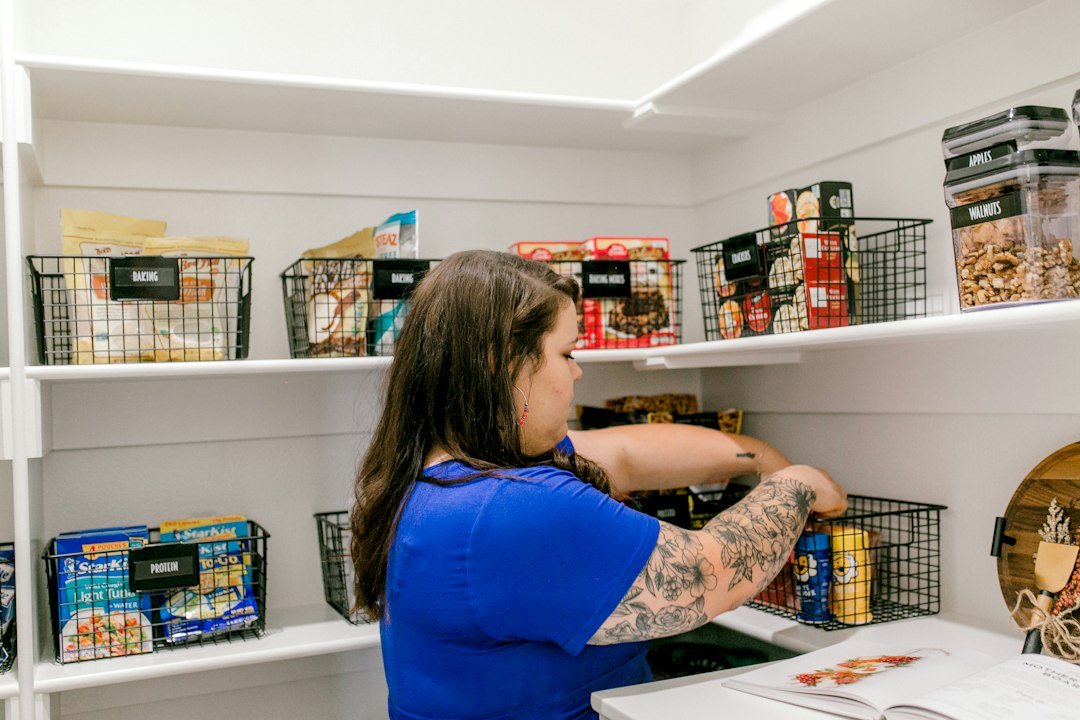
- Closet or laundry shelves: wire or solid bins grouped by type keep items corralled and easy to pull down.
- Over-the-door or wall caddy: saves shelf space for sprays used in bathrooms or the pantry door for kitchen cleaners.
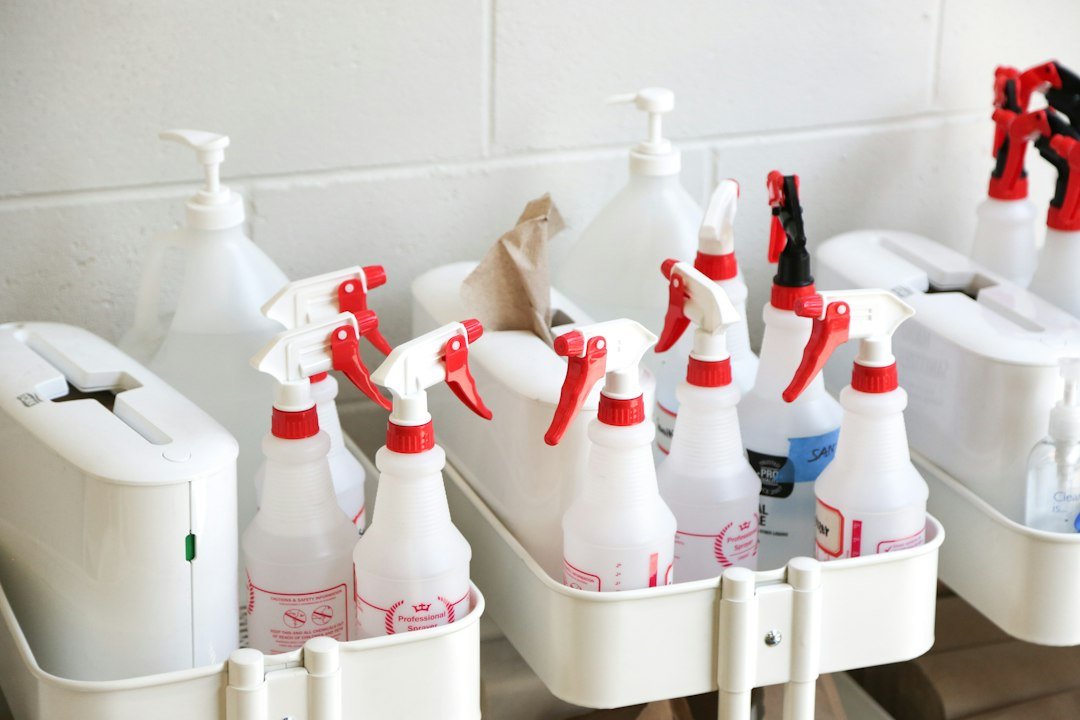
- Portable caddy: a small tote or shower caddy holds your everyday toolkit—spray, cloths, brush—so you carry everything between rooms.
Labeling, safety labeling, and separation rules
Labels decrease mistakes and speed retrieval. Use clear labels showing product name and primary use (e.g., “Glass — streak-free”), and add hazard icons if needed. For safety:
- Keep bleach and ammonia-based products separated—never store them together to avoid accidental mixing.
- Store concentrated chemicals upright and capped; keep incompatible chemicals apart (read manufacturer guidance on labels).
- Keep all cleaning supplies off the floor in garages or basements where possible to avoid moisture damage and pest contamination.
Childproofing and pet safety
If children or pets access storage areas, lock or place dangerous items out of reach. Simple options include cabinet locks, high shelves, or locking bins. Also seal or replace damaged spray triggers and consider transfer-resistant bottles (child-resistant caps) for prescription-strength or corrosive cleaners.
Make daily use easy: staging and caddies
For frequently used items, keep a compact cleaning caddy stocked and ready. This reduces scattered bottles and ensures supplies stay together. In kitchens and bathrooms, a single shelf or drawer organizer with labeled sections for cloths, sponges, and sprays keeps surface cleaning fast.
Implement a maintenance routine
Schedule a 10–15 minute check every month: wipe down shelves, inspect caps and seals, update inventory, and remove empties. Replace any product past its expiry and move products temporarily stored in high-traffic areas back to their assigned zones.
Adaptations for small spaces and renters
In small apartments or rental bathrooms, maximize vertical space with over-the-door caddies and tension rods with hanging baskets. Magnetic spice-style containers can hold smaller items on a metal board inside a closet. Use adhesive hooks inside cabinet doors for brushes or gloves—avoid permanent mods if you must return the space to its original condition.
One recommended product to streamline under-sink storage
If you need a straightforward under-sink solution, an adjustable two-tier under-sink organizer makes chemicals accessible without tipping and fits most cabinets.
- Sort and discard expired or duplicate cleaners.
- Assign zones: locked/high for hazardous, shelves/caddies for everyday items.
- Use trays or pull-outs under sinks to contain leaks.
- Label containers with use and hazard info.
- Install cabinet locks if children or pets have access.
- Schedule a monthly quick inventory and shelf wipe-down.
Safe, efficient cleaning supply storage depends on sensible zoning, containment, and simple habits. Invest in one good organizer for each zone, label clearly, and keep a portable caddy for everyday tasks to reduce risk and save time.
Can I store all cleaners together?
No. Separate bleach/acid products from ammonia and specialized chemicals to avoid dangerous reactions; also separate pesticides or automotive products from household cleaners.
Where should cleaners be stored in small homes?
Use vertical solutions: over-the-door caddies, high shelves, and wall-mounted racks; keep most hazardous items in a locked bin or out-of-reach shelf.
How do I dispose of old cleaning products?
Follow local hazardous waste guidelines—many communities have drop-off days. Never pour concentrated chemicals down drains unless the label permits it.
Are labeled spray bottles necessary?
Yes—clear labels prevent misuse, help anyone in the home choose the right product, and speed up restocking and inventory checks.
What’s the easiest way to childproof cleaning storage?
Install a simple cabinet lock or keep hazardous items in a locking bin on a high shelf. For active toddlers, combine both measures for extra security.