 Wishlist
Why a few drawer organization hacks make daily life easier
Most clutter problems start inside drawers. A drawer full of mixed items turns small tasks—finding scissors, a charger, or a pair of socks—into annoying time sinks. These drawer organization hacks focus on simple, repeatable choices: contain like with like, control movement, and make visibility immediate.
Quick answer: 10 practical drawer organization hacks to try today
Here are ten distinct, easy-to-implement solutions that cover different drawer types and budgets. Apply the ones that match the room and drawer depth you’re working with.
- Measure before you buy dividers. Measure interior width, depth and height. For shallow kitchen drawers, thin cutlery trays or the expandable bamboo option that fits most widths work best; deeper dresser drawers benefit from larger cloth or wood dividers.
- Group by task, not by product. In a bathroom drawer, keep “morning routine” items together (toothpaste, floss, daily moisturizer) and separate occasional products (nail clippers, spare cotton pads).
- Use modular bins for loose small items. Small plastic or clear bins corral chargers, batteries, and hair ties so nothing rolls to the back. Transparent sides speed visual recognition.
- Add a non-slip liner to prevent sliding. A rubber mat cut to drawer size stops utensils and electronics from shifting when you open and close drawers.
- Fold clothing to maximize visibility. For socks and underwear, use vertical folding so each pair is visible at a glance instead of stacked—this takes a few minutes but saves repeated rifling.
- Convert a drawer into a file zone for papers. Shallow desk drawers can hold upright file folders with a simple metal or plastic organizer—turn loose receipts into labeled envelopes.
- Keep a “drop” tray for daily carryables. In entryway or bedroom drawers, one small dish or tray for keys, sunglasses and wallets prevents those items from migrating into random drawers.
- Use drawer inserts with mixed compartment sizes. Choose organizers that combine small cubbies and larger compartments so you can store both jewelry and wider objects like a portable charger.
- Label the front or inside of drawers. A small label—especially in shared households—reduces guesswork. Use simple text or icons for kids’ drawers.
- Reserve one drawer as overflow and purge monthly. Have a single “miscellaneous” drawer rather than several half-hidden ones; set a monthly 5‑minute purge to keep it from becoming the junk drawer.
How to choose the right divider or organizer for the room
Not every organizer fits every drawer. Start by matching depth and expected contents.
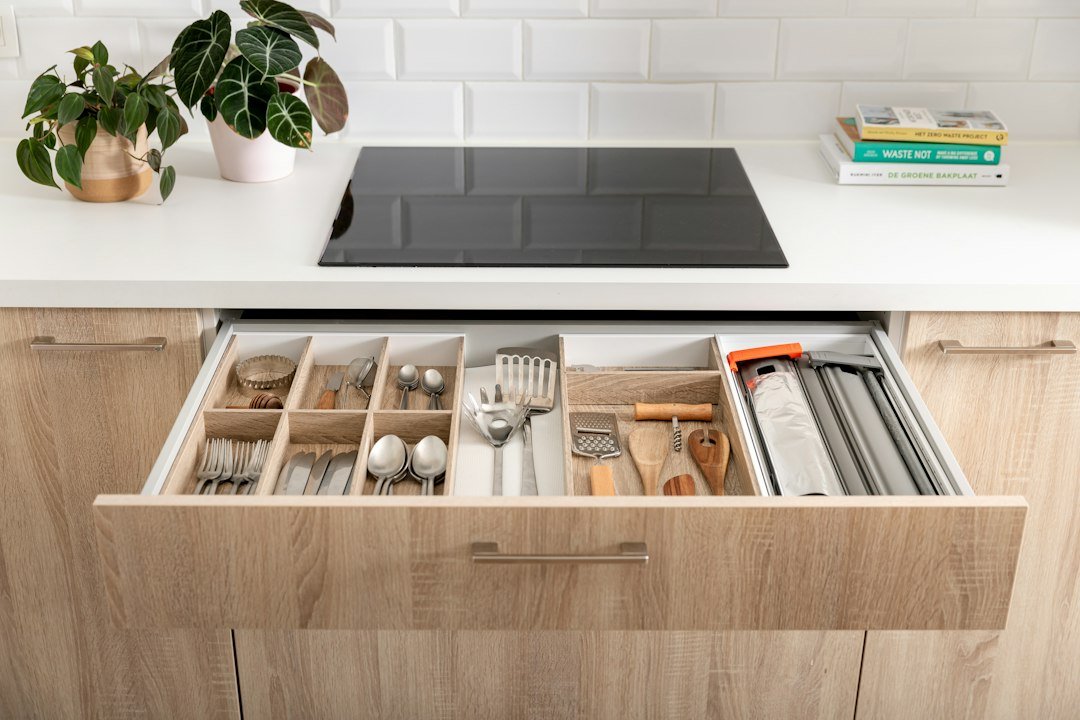
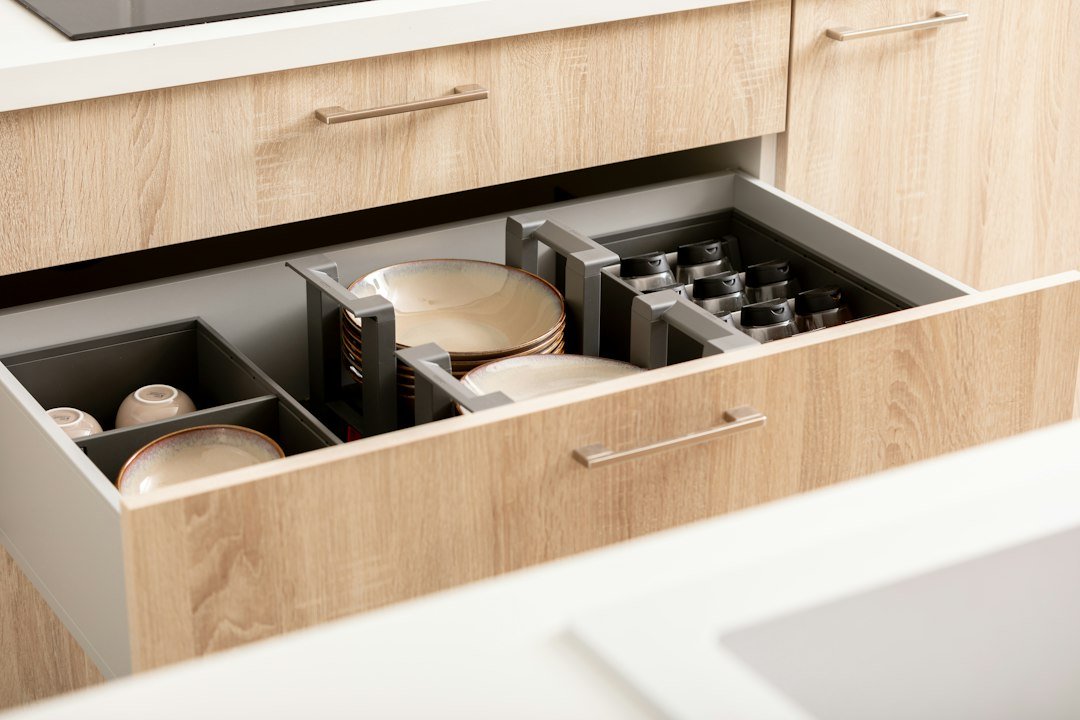
- Kitchen: shallow, wide drawers need low-profile trays for cutlery and utensils; deep drawers benefit from stackable utensil inserts or the bamboo expandable organizer for plates and lids.
- Bathroom: moisture-resistant plastic or silicone compartments work best; avoid untreated wood where humidity is high.
- Bedroom/dresser: soft fabric dividers or bamboo inserts protect clothing; for accessories, use velvet-lined small trays to prevent scratching.
- Office: metal file rails or plastic file organizers keep paperwork upright; small parts organizers are ideal for office supplies.
Small investments that make a big difference
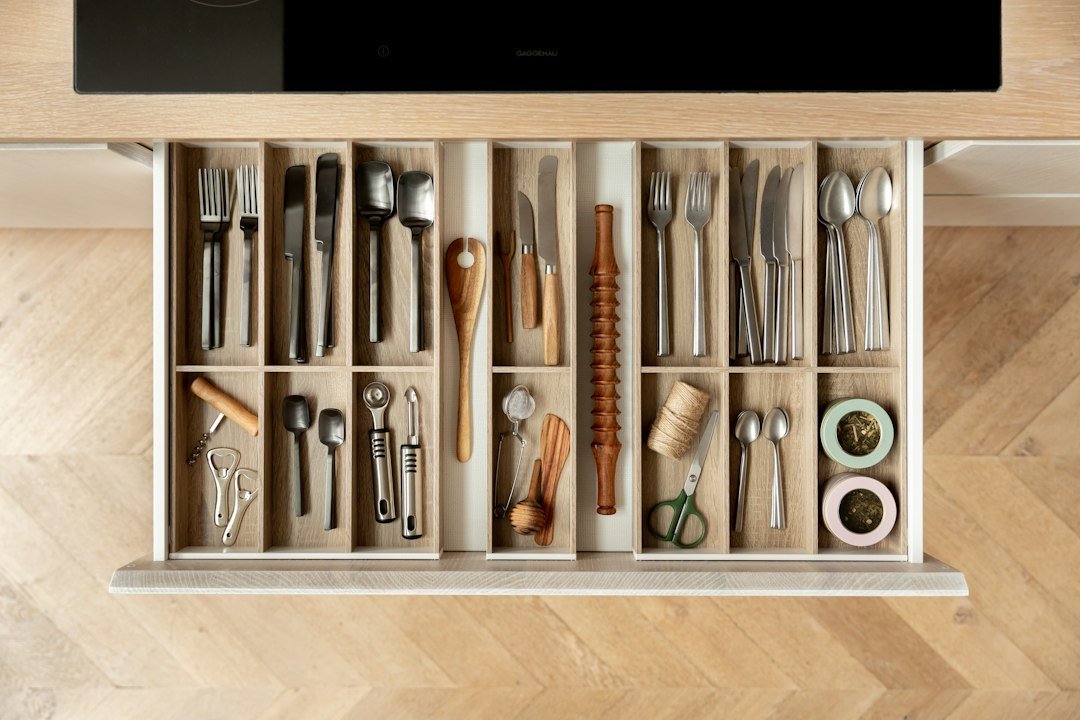
A few inexpensive items deliver outsized value: a high-quality expandable drawer organizer for kitchens, clear small bins for bathroom supplies, and a roll of non-slip liner. If you want a single product to start with in the kitchen, the ROYAL CRAFT WOOD expandable bamboo organizer (product ID 159) is a strong all-purpose match: it adjusts to fit many drawer widths and separates flatware from utensils.
Techniques for specific problem drawers
Kitchen — mixed utensils and food storage lids
Reserve one drawer only for utensils; move food storage lids to a vertical organizer inside a cabinet. Use shallow trays arranged side-by-side rather than one large catchall—this keeps serving spoons separate from everyday forks.
Bathroom — small items and evening products
Group frequently used products at the front. Store seasonal or backup supplies in labeled small boxes at the back or under-sink organizers for overflow.
Bedroom — socks, underwear, and accessories
Fold and store vertically for visibility. Use narrow dividers to create lanes for each clothing type; reserve a tiny section for those rare items (belts, ties) so they don’t contaminate the main lanes.
Home office — cords, chargers and paperwork
Wrap cords with reusable ties and place them in labeled bins. Create a shallow “active projects” tray in the top drawer and move completed paperwork to a filing drawer.
Maintenance: a 5-minute weekly routine
Keep your system working by doing one quick weekly check: remove trash, re-pair stray items with their bins, and flatten any bulging stacks. A consistent tiny habit avoids major overhauls.
Common mistakes to avoid when organizing drawers
- Buying organizers before measuring—most returns are avoidable.
- Using too many tiny containers—this creates visual clutter and makes items harder to access.
- Mixing unrelated tasks in the same drawer—keep like-use items together.
- Ignoring drawer depth—tall organizers waste space in shallow drawers and flat trays underuse deep drawers.
When to consider larger storage changes
If you consistently run out of drawer space, consider moving seasonal items to bins under the bed, adding a small dresser, or repurposing cabinets. For laundry rooms and taller storage needs, a laundry basket holder shelf (product ID 6149) can free drawer space by providing a dedicated staging area for clothes and supplies.
Related reading
For tailored ideas beyond drawers, see our guides on organizing a laundry room and organizing a small bathroom.
- Measure drawer interior (width, depth, height).
- Decide grouping by task, not by product type.
- Choose one suitable divider/bin and test it in a prototype drawer.
- Add non-slip liner to prevent shifting.
- Label or mark drawers in shared spaces.
- Set a monthly quick purge for the “miscellaneous” drawer.
Start small: fix one drawer with the right-sized divider, a non-slip liner, and a clear grouping. That single success usually makes it easier to replicate the system across rooms.
What is the best material for drawer dividers?
Choose the material to match the environment: bamboo or wood for dry areas, plastic or silicone for bathrooms and kitchens where moisture is present, and fabric for soft protection in dressers.
How do I stop small items from getting lost in deep drawers?
Use modular bins or stackable trays to create tiers, or place a shallow tray at the front for frequently used items and reserve the back for bulk storage in labeled boxes.
Are expandable organizers better than fixed-size ones?
Expandable organizers are more flexible for varied drawer widths and are a good first purchase; fixed-size inserts can provide a tighter fit if you know the exact dimensions.
Can I convert a drawer into a filing system?
Yes—shallow drawers work well with upright file organizers or hanging folders; reserve deeper drawers for boxes or bulk paper storage.
How often should I reorganize my drawers?
Do a quick weekly tidy and a brief monthly purge for the miscellaneous drawer; a full reorganization should be needed only once or twice a year unless your needs change.