 Wishlist
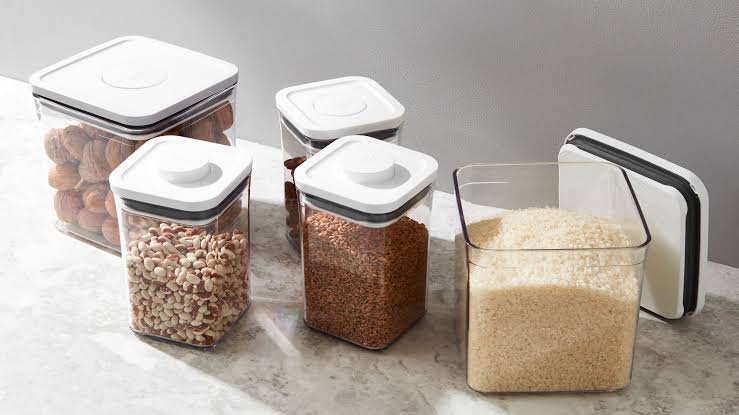
Picture this: an overturned bag of flour, half a box of stale cereal tucked behind a jam jar, and a hunt for the right measuring cup—again.
If you want food that stays fresher longer and a pantry that’s usable every day, choosing the right pantry storage containers matters more than buying matching jars. Focus on the attributes that actually slow spoilage, reduce waste and save time: seal quality, material, size and shape, transparency, and how you plan to use each container.
What actually preserves food in the pantry
Three things determine how long dry foods stay fresh in a pantry container:
- Airtight seal: prevents moisture, pests and oxygen; look for silicone-gasket lids, clamp closures, or positive-lock mechanisms.
- Material barrier: glass and some thick plastics block odors and oils better; opaque options help with light-sensitive items.
- Correct capacity and fit: a large empty headspace speeds oxidation; use a size that leaves minimal air above the food.
Match container types to real pantry use cases
Organize selections by how you interact with the food:
For frequently used dry staples (flour, sugar, rice)
Choose tall, wide-mouth containers with airtight lids and a capacity that closely matches how quickly you use the item. Wide openings make scooping and measuring easier and reduce spills when filling. Glass is excellent for flour and sugar because it won’t absorb odors; thicker BPA-free plastic is lighter for large rice or pet-food bins.
For cereal and breakfast staples
Look for dispensers or canisters with a pour spout and a secure lid to keep flakes crisp. Dispensers that slide or press-fit are handy for kids and reduce mess; for multi-serving boxes, stackable cereal canisters save shelf space and maintain crunch.
For snacks, granola and baked goods
Smaller airtight jars or rectangular stackable containers work best. Clear containers let you see when supplies are low, while modular shapes make stacking inside cupboards or on shelves efficient.
For baking mixes and small quantities
Use smaller, labeled containers so you can keep opened packages sealed without transferring everything into a large bin. Reusable pouches or 1–2 L containers are ideal for mixes you use intermittently.
Key features to inspect before buying
- Seal test: squeezable silicone or a visible gasket—check for a tight, even closure and simple replacement parts.
- Shape and stackability: square or rectangular bodies use shelf space better than round jars; look for nesting lids if you need to store empties.
- Transparency: clear bodies speed meal prep; if the food is light-sensitive (nuts, seeds), prefer opaque or store in a dark pantry.
- Food-safe labeling: BPA-free plastics or tempered glass are safe choices; ensure materials are rated for food contact and dishwasher-safe if you want low-maintenance cleaning.
- Opening style: wide mouth vs. spout—pick based on whether you scoop or pour.
- Capacity range: buy several sizes, not just one; keeping similar lid styles makes your pantry look cohesive and makes lids interchangeable.
When to pick glass, plastic or metal
Glass: best barrier to odors and staining, ideal for flour, sugar, and baking ingredients. Heavier and breakable; not ideal for high shelves or households with children.
Plastic (BPA-free): lighter, shatterproof, and often cheaper for large-capacity bins; choose thick-walled options with good gaskets to avoid warping over time.
Metal tins: good for tea or coffee that’s light- and air-sensitive, but less useful for bulk dry goods because you can’t see contents easily.
Recommended pantry container for most households
For a reliable, everyday cereal and dry goods solution that balances capacity, seal and ease of use, consider a large airtight cereal container set that’s clear, stackable and has a gasketed lid.
How to arrange containers so food stays freshest
- Store similar humidity items together (grains & flours in one zone, snacks in another).
- Keep heavy, large containers at lower shelves for safety and easy access.
- Use first-in, first-out labeling: write the opened date with a removable marker or label.
- Avoid storing containers directly above the stove or dishwasher where temperature swings and steam shorten shelf life.
Care, filling and small tricks that improve lifespan
- Clean and fully dry containers before refilling; any residual moisture speeds spoilage.
- For long-term storage, transfer in smaller portions to reduce repeated exposure to air.
- Freeze flours or nuts for 48 hours after opening to kill any weevil eggs; then store in airtight containers.
- Rotate contents: when refilling, move the older container to the front so you use it first.
- Choose airtight lids with replaceable gaskets.
- Select container shapes that match your shelf dimensions (square for efficiency).
- Buy at least three sizes: small (snacks), medium (cereal), large (flour/rice).
- Prefer glass for odor-sensitive items; thick plastic for large-capacity bins.
- Label opened date and maintain FIFO rotation.
- Avoid storing containers in humid or hot locations.
Good pantry storage containers are defined by seal quality and the right size for the job, not matching aesthetics. Invest in airtight containers with compatible lids, mix glass and plastic where they make sense, and organize containers by how you use ingredients day-to-day.
Are glass or plastic containers better for keeping food fresh?
Glass provides a better barrier against odors and staining and is ideal for baking staples; thick, food-grade plastic is lighter and better for very large quantities. Both work if the lid seals properly.
How airtight do pantry containers need to be?
Look for a silicone gasket or locking closure—containers that flex open or allow a steady stream of air won’t protect against moisture, pests or oxidation.
Can I store flour and rice together in one container?
It’s better to separate them—different usage rates and moisture preferences make separate containers more practical and reduce cross-contamination risk.
How should I label pantry containers?
Use removable labels or a dry-erase marker to note the item and opened date so you can rotate stock and spot expired items quickly.
Do airtight containers prevent pantry pests?
Airtight containers greatly reduce the chance of infestation, but freezing newly purchased grains for 48 hours before storage and keeping the pantry clean are also important prevention steps.