 Wishlist
It’s 7:30 a.m. and you’re juggling a coffee maker, a jar of spoons, a stack of mail and a tablet leaning against a cookbook — all on a two-foot stretch of counter. That’s the moment you notice how small decisions (leave the grinder out, stack the cutting boards here) turn counters into clutter. Kitchen counter organization is about two things: keeping everyday items handy and preventing the space from becoming a catch-all. Below are practical ideas that prioritize access, visual order and easy maintenance.
Start by defining clear counter zones
Decide what activities happen on each section of the counter: coffee and breakfast, prep and chopping, and a landing spot for mail/keys. Limiting functions makes it easier to choose which items belong there. A 12–18" landing zone near the door can be the non-kitchen drop spot; reserve the main expanse around the stove for cooking tools and a small prep area.
Keep everyday tools visible but contained
Utensils you reach for every day belong within arm’s reach, but leaning spatulas and ladles scattered in a chaotic jar will slow you down. Use a shallow utensil crock or a divided tray so tools stand up neatly and you can see what’s there. Narrow crocks work on tight spaces; a divided tray fits behind the stove without looking bulky.
Use vertical storage for flat items
Cutting boards, baking sheets and trays are perfect candidates for vertical organizers. A simple cutting board rack keeps boards upright and lets you grab the right size quickly, while taking less countertop real estate than a horizontal stack. This also improves airflow and drying if boards are slightly damp.
Group like with like: create a coffee or breakfast station
Instead of scattering mugs, grinders and sugar all over, corral them on a single tray or shallow bin. A coffee station can live near an outlet and include the maker, a jar of beans, a scoop and two mugs. Trays protect the counter from spills, make cleanup easier and allow you to move the whole station when you need the surface for other tasks.
Choose one or two small appliances to keep out
Many homes have three or four appliances taking up counter real estate. Pick the ones you use daily — coffee maker, toaster, or electric kettle — and store the rest in a cabinet. When you must keep more than one, place them together on a dedicated appliance station (preferably on a tray) so they read as a single, tidy block.
Make frequently used ingredients easy to reach
Salt, pepper, cooking oil and a few spices should be within reach of the stove. Instead of a dozen spice jars arrayed across the counter, use a compact rotating spice rack or a small magnetic strip for steel tins. Keep only what you use daily on the counter; store the rest in a drawer or pantry.
Mount items where possible to free the surface
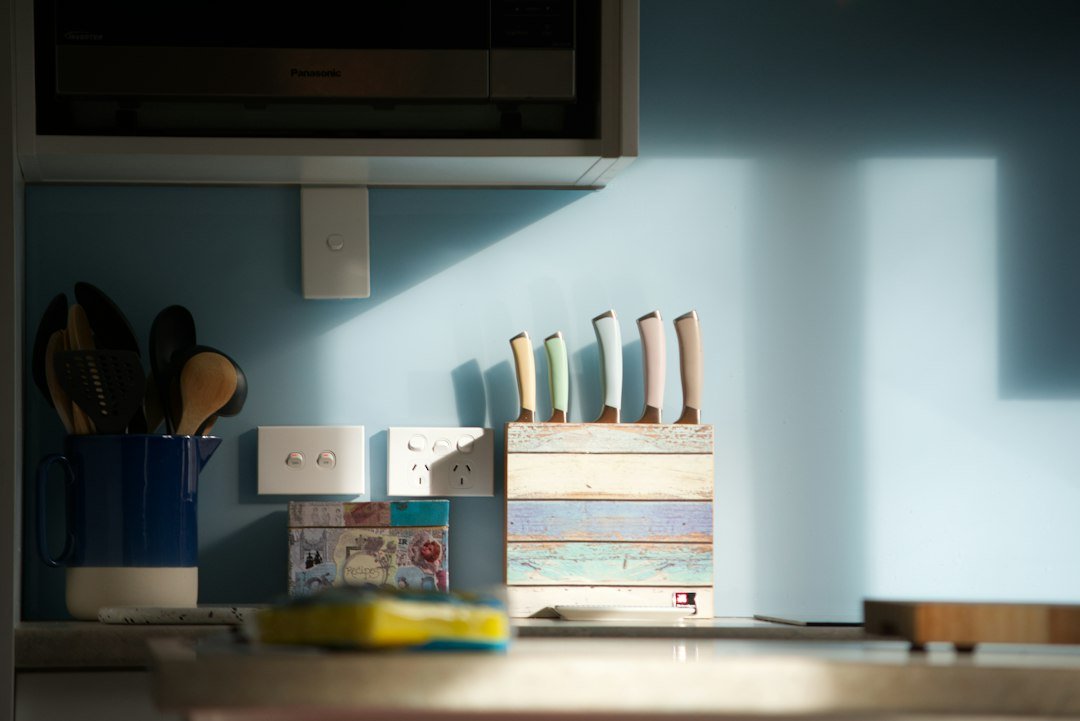
Magnetic knife strips, wall-mounted paper towel holders or shallow shelves will remove common items from the counter while keeping them accessible. A magnetic strip by the prep zone makes grabbing a knife faster and opens counter space for bowls and chopping boards.
Adopt “one surface, one purpose” for quick wins
If you routinely use a counter for both prep and a mail dump, chores collide. Commit to using one surface for a single purpose at a time: when prepping, relocate mail to the landing zone or a drawer. This habit prevents slow, creeping clutter and makes the visible area feel intentional.
Keep corral size proportional to your counter
Small counters need smaller containers. Overlarge crocks or multi-tier organizers will dominate a narrow strip; instead choose slim, vertical pieces or shallow trays. Conversely, a long counter benefits from multiple small stations rather than one oversized organizer — it looks balanced and supports different activities simultaneously.
Label and rotate: especially for spice and snack spots
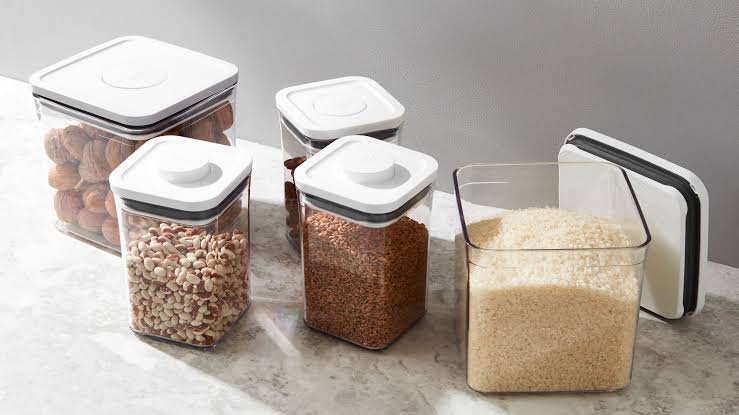
Labels help everyone in the household return items to their place. For snacks or breakfast foods kept on the counter, use clear containers with labels and practice “first in, first out” to avoid stale ingredients. A visible, labeled bin makes it easy for kids to find breakfast and for you to notice when supplies are low.
A quick maintenance routine keeps counters usable
Spend 2–3 minutes after dinner to clear crumbs, stack items back into their stations and put appliances away if not used the next day. The small daily reset prevents clutter from building into a longer weekend chore.
Product recommendation for better countertop order
If you want an immediate, compact solution for stacking smaller items and creating levels without drilling, consider a sturdy two-tier countertop organizer — it adds usable storage while keeping the surface visible and tidy.
That organizer works well beside a stove for spices and oils or on the coffee station to stack cups and a scoop box. Pair it with a small tray and a utensil crock and you’ll instantly reduce visual clutter.
When to give up the counter: control vs. convenience
If you find yourself constantly clearing the same items, ask whether they need to be on the counter at all. Convenience is valuable, but sometimes drawer or shelf storage with an easy retrieval method (like a pull-out tray) offers better daily functionality without the visual cost.
Use the suggestions above to tune your counters to how you actually use them — not how you think you should use them. Start small: define one station, contain it, and build from there.
- Map your counter into 2–4 activity zones (coffee, prep, landing, appliances).
- Corral daily items with trays, crocks or a small two-tier organizer.
- Move rarely used appliances into cabinets; keep 1–2 out.
- Install one mounted solution (magnetic knife strip or shelf) to free surface area.
- Set a 2–3 minute nightly reset routine to prevent buildup.
Countertop order is achieved by limiting functions, grouping like items, and using vertical or mounted storage to preserve surface area. Start with a single station and a quick nightly reset; small, consistent habits keep everyday items handy without visual chaos.
What should always stay on the counter?
Keep only items you use daily and that benefit from being out—commonly a coffee maker, a toaster, a utensil crock and basic seasonings; everything else can live in cabinets.
How do I stop mail and clutter from taking over the counter?
Create a dedicated landing zone near the entry or a small wall-mounted organizer; enforce a rule to clear that zone daily or put mail directly into a file or drawer.
Are trays really useful or just decorative?
Trays are functional: they group items, protect counters from spills and make it easy to move a whole station when you need workspace.
How do I choose between countertop and mounted storage?
Choose mounted options when you need to free surface area or keep items at eye level (knives, paper towels); choose countertop organizers when you want flexibility and no installation.
Can small kitchens still have functional counter zones?
Yes—use slim vertical organizers, a single multi-use tray and strict “one surface, one purpose” rules to maximize a small run of counter space.