 Wishlist
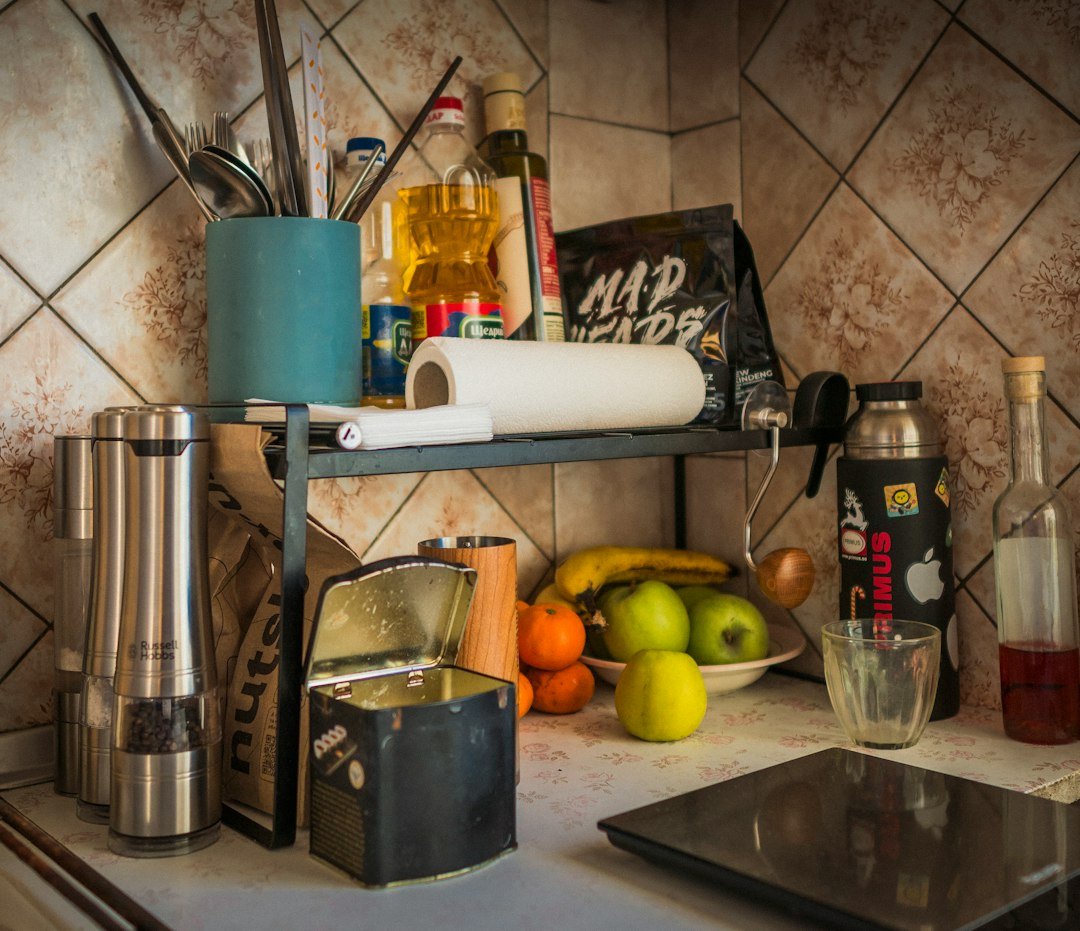
Start with the result you want: a functional kitchen that feels bigger and runs smoother
What matters is clear: you should be able to find what you need quickly, prep without moving half the house, and keep everyday items within reach. Ignore perfection, matching aesthetics, and buying every “miracle” gadget. Organize your kitchen by workflow and need first—appearance comes second and can be inexpensive.
Plan a realistic layout that reflects how you cook
Organize your kitchen around three everyday activities: cooking, prep/cleanup, and food storage. Walk through your most common meals and note where you pause or search for tools. That map shows the zones you’ll create: coffee/snack, cooking (pots, oils, utensils), prep (cutting boards, knives, mixing bowls), cleaning (sink, trash, sponges) and pantry/storage.
Use a timer: spend 10 minutes sketching your current layout and another 10 listing the five items you use most daily. Those items should live closest to their zone.
Declutter fast: rules that save time and money
- One-touch triage: take an item into your work area and decide immediately—keep, donate, repair, recycle. Avoid “maybe” bins that return clutter later.
- Keep duplicates to a minimum. If you have three spatulas and only use one or two, box extras for 30 days; if they aren’t missed, donate them.
- Check expirations as you pull items from the pantry. Toss anything rancid or stale—expired food is invisible clutter and a safety issue.
Cheap storage that makes a big difference
Before buying anything, measure shelves, drawers, and cabinet heights. Small investments deliver outsized impact:
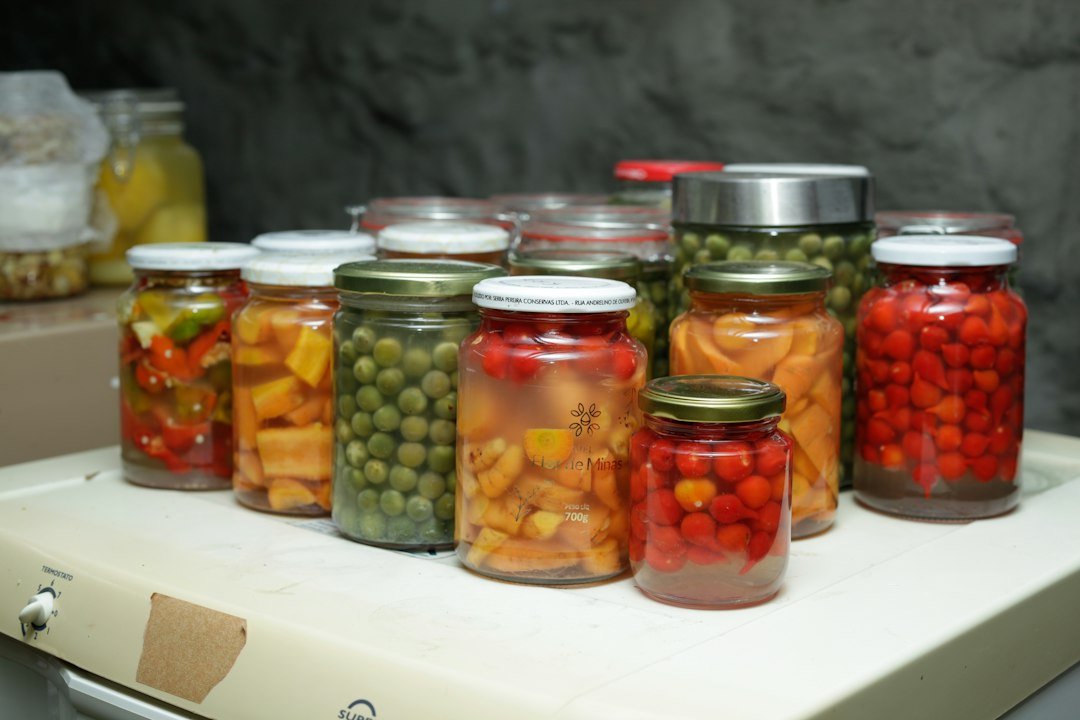
- Drawer dividers: inexpensive bamboo or plastic trays instantly organize cutlery and tools. They keep small items visible and stop the “buried utensil” problem. <liClear jars and labels: transfer bulk staples (rice, oats, flour) into reused glass jars or inexpensive canisters to reduce wasted space and reveal quantities at a glance.
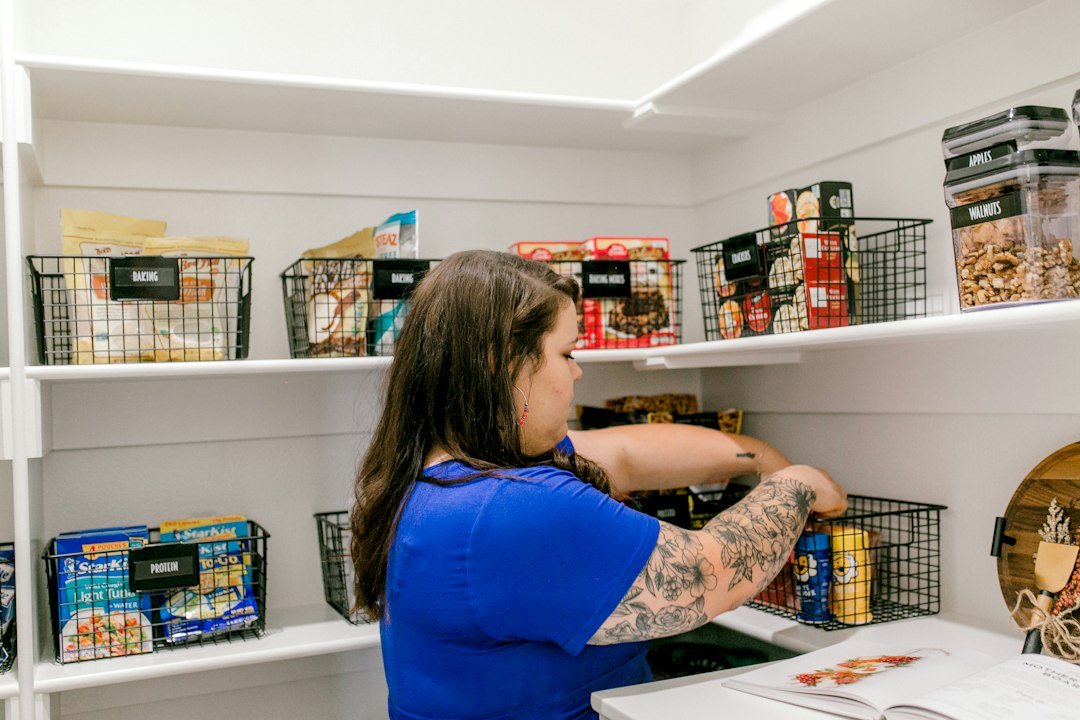
- Wire or fabric bins for open shelving: group snacks, baking supplies, or kid-friendly items so the shelf looks tidy and is portable.
- Use tension rods vertically inside cabinets to hold lids or baking sheets upright.
Smart use of under-sink and cabinet space
Under-sink areas and deep cabinets are often the hardest to organize without spending. Start with inexpensive stackable bins and a lazy Susan for cleaning products. If you want a stronger long-term fix for heavy cookware, consider a pots-and-pans organizer.
Why this helps: a heavy-duty pots and pans organizer (Rank #1) turns stacked, hard-to-reach cookware into a stable vertical system so you avoid lifting and damaging nonstick surfaces. Measure cabinet depth and height first; a simple organizer is cheaper than replacing warped lids and pans.
Pantry and fridge: group, contain, label
Group by use, not by packaging. Put breakfast items together, baking together, snacks together. Contain loose packages in baskets or clear bins so you can slide them out to see what’s inside. For the fridge, use shallow clear bins for deli, cheese, and produce to reduce spoilage and make leftovers visible.
Make small countertop zones that speed prep
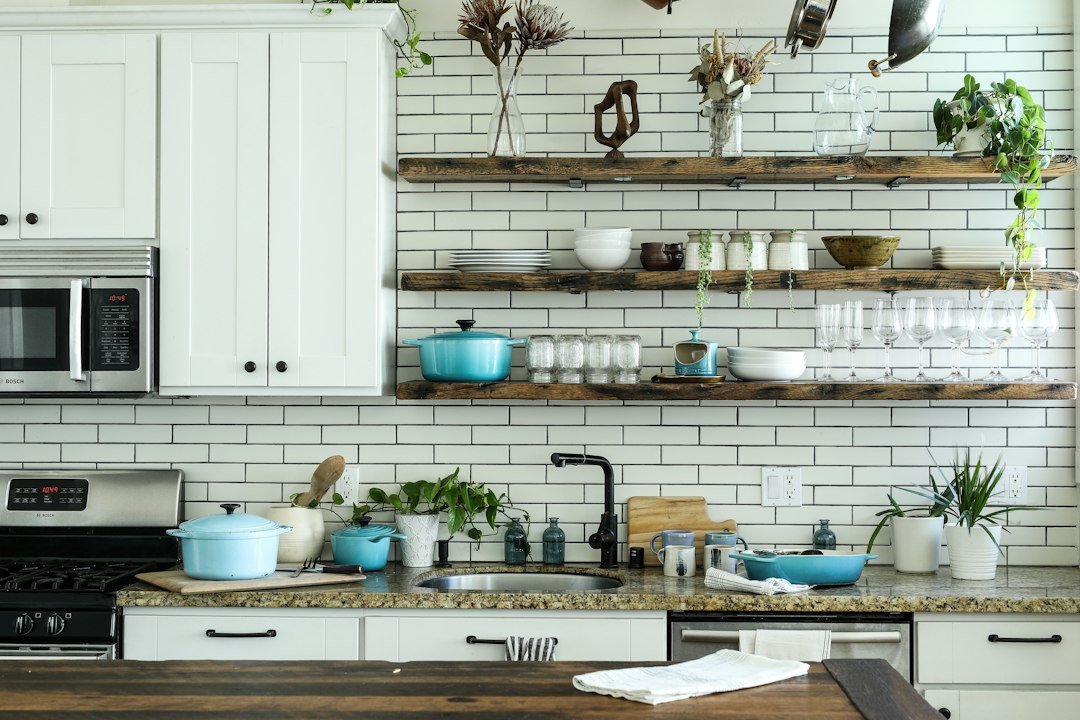
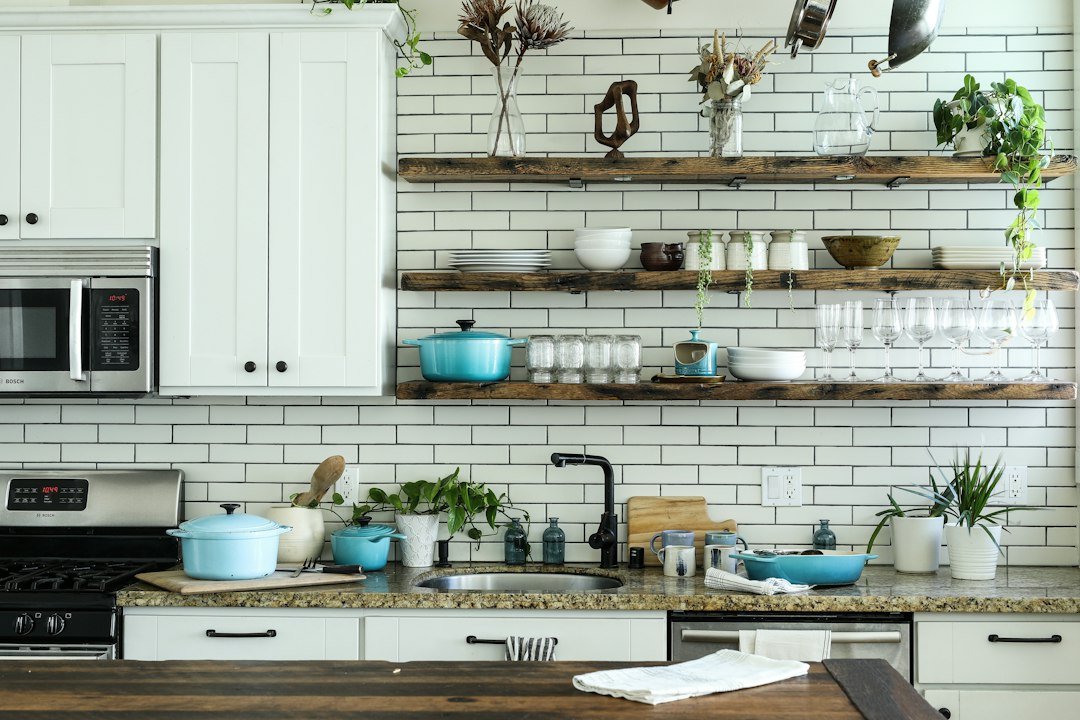
Create a coffee/tea station, a chopping/prep area, and a cooking landing zone near the stove. Keep only the day’s frequently used appliances on the counter; store the rest. Use a single tray to corral oils and frequently used spices near the stove—this looks tidy and is easy to move for cleaning.
Low-cost hacks that feel luxurious
- Repurpose flat magazine holders upright to store cutting boards, baking sheets and pan lids.
- Use adhesive hooks inside cabinet doors for oven mitts, measuring spoons, or pot lids.
- Turn a shallow baking tray into a “catch-all” drawer liner for canned goods or jars—easy to slide out and wipe clean.
- Use towel racks or a magnetic strip to hang knives and free drawer space safely.
Keep it working: routines and small habits
Systems fail without simple maintenance. Spend five minutes each evening returning items to their zones and wiping high-use surfaces. Do a pantry scan weekly: move items nearing expiration to the front to use first.
Troubleshooting common constraints and adaptations
If you have a very small kitchen
Choose multipurpose tools, wall storage, and vertical organizers. Keep only a few daily-use dishes and store extras elsewhere. Consider under-shelf hanging baskets to reclaim wasted vertical space.
If you rent or can’t drill holes
Use removable adhesive hooks, freestanding shelving, and over-the-door organizers that require no installation. Command strips work well for lightweight storage.
If you’re on a near-zero budget
Repurpose cardboard boxes or shoeboxes as drawer dividers, wash and reuse glass jars for storage, and create labels from masking tape. Decluttering costs nothing and gives the biggest space gain.
When to invest in a product—and what to buy
Buy only when a persistent pain point remains after decluttering: hard-to-reach pans, overflowing spice jars, or a messy drawer. For cookware chaos, the pots-and-pans organizer recommended above prevents dented pans and saves time every meal. For drawers, a durable bamboo organizer (e.g., expandable designs) is an affordable next buy.
Small design choices that improve longevity
- Choose neutral storage pieces that are easy to relocate between spaces.
- Opt for durable materials where items are handled often: bamboo or solid plastic for drawer dividers, metal for racks holding heavy cookware.
- Label visibly—consistent labels make it faster for everyone in the household to follow the system.
- Map your kitchen zones and list your five daily-use items.
- Declutter with one-touch decisions and remove duplicates.
- Measure problem cabinets/drawers before buying organizers.
- Buy one targeted organizer (pots rack or drawer tray) not ten single-use gadgets.
- Create a nightly 5-minute reset routine to maintain order.
Focus first on how you use the kitchen, clear out what you don’t need, and add a few inexpensive, well-measured organizers where they solve real problems. Small regular habits keep the system working and save more time than an expensive one-time overhaul.
How much should I expect to spend to get started?
You can make meaningful progress for under $50 by decluttering, reusing jars and baskets, and buying one targeted organizer; larger kitchens may spend $100–200 on durable racks or drawer systems.
Which area should I organize first?
Start with the area that causes the most friction—usually the cooking zone or a messy drawer—so you get immediate time savings and motivation.
Are store-bought organizers worth it?
Yes, when they address a persistent problem (e.g., a pots organizer for stacked cookware). Measure first to ensure fit and avoid wasted purchases.
Can I organize a rental kitchen without damage?
Absolutely: use freestanding solutions, over-the-door racks, and removable adhesive hooks to add function without holes.