 Wishlist
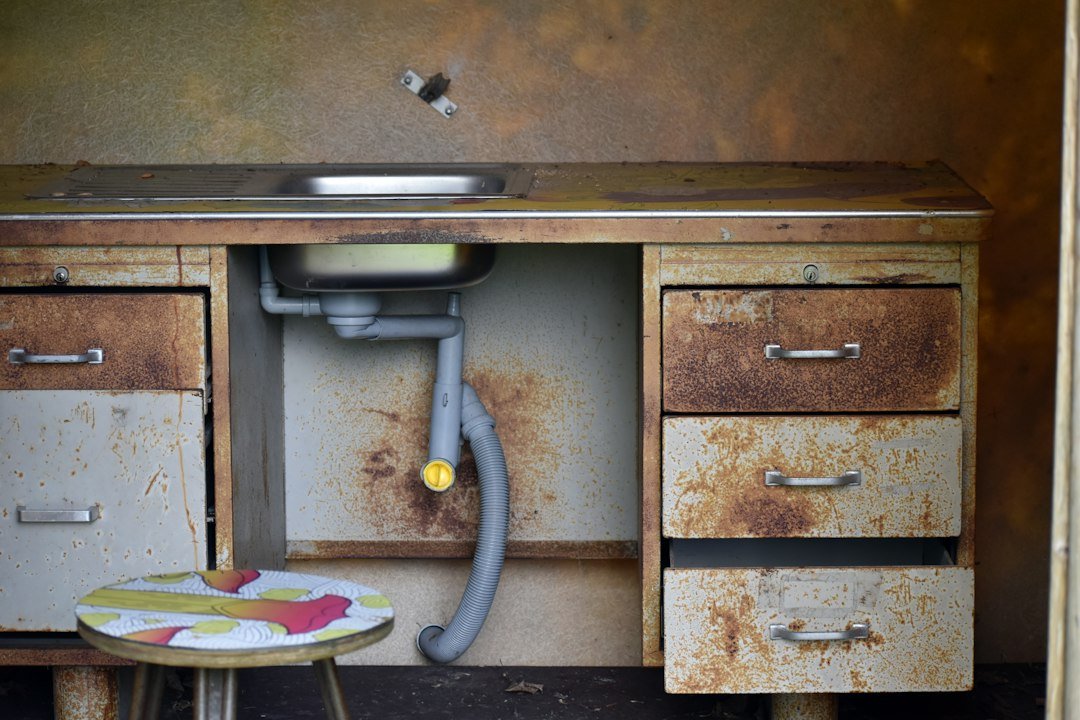
Short answer: For small kitchens the best under-sink organizers are those that fit your cabinet geometry (especially around pipes), make frequently used items visible and reachable, and use vertical space—typically a shallow pull-out drawer, an L-shaped or C-shaped rack that clears plumbing, or a compact tiered shelf. Measure, prioritize access over capacity, and pick a design that matches what you store.
What actually matters when choosing under-sink organizers
Before you compare brands or styles, check three practical constraints: cabinet interior height/width/depth; location of the sink trap and garbage disposal; and what you actually store (tall spray bottles, cleaning rags, extra sponges, small trash cans, or pots and pans). Those three facts determine which organizer families will work.
- Measure the cabinet opening and interior: Measure the width between the door edges, interior depth to the back wall, and useful height under the sink (measure to the bottom of the sink basin or any crossbar—not the cabinet top).
- Map the plumbing and fixed obstacles: Note where the P-trap, water lines and disposal sit. If they sit in the center you’ll often need an L-shaped or C-shaped unit that hugs one side; if they’re tucked to a side, a center-mounted pull-out may work.
- List what you use daily vs. rarely: Keep daily-use sprays and soaps in an accessible pull-out or front-facing caddy; store overflow supplies on higher tiers or removable bins.
How to prioritize features for small kitchens
In a small kitchen, three features give the most daily benefit:
- Easy access: Sliding drawers and pull-out baskets mean you won’t lose items in the back. If you only get one feature, make it a pull-out.
- Plumbing-friendly shape: L- or C-shaped racks and corner pull-outs preserve usable space around traps and disposals.
- Vertical organization: Tiered shelves or stackable risers let you use the tall void under sinks for both short and tall items without stack collapse.
Which organizer types fit common small-kitchen use cases
Match your use case to one of these organizer families—each solves a different problem.
1. Pull-out drawers for frequent access
Best when you store daily cleaners, dish soaps, and brushes. Pull-outs glide items forward so you don’t fish in the back. Choose shallow drawers (8–13" deep) for narrow cabinets; full-extension glides are worth it because they give complete access in tight spaces.
2. L-shaped or C-shaped racks around pipes
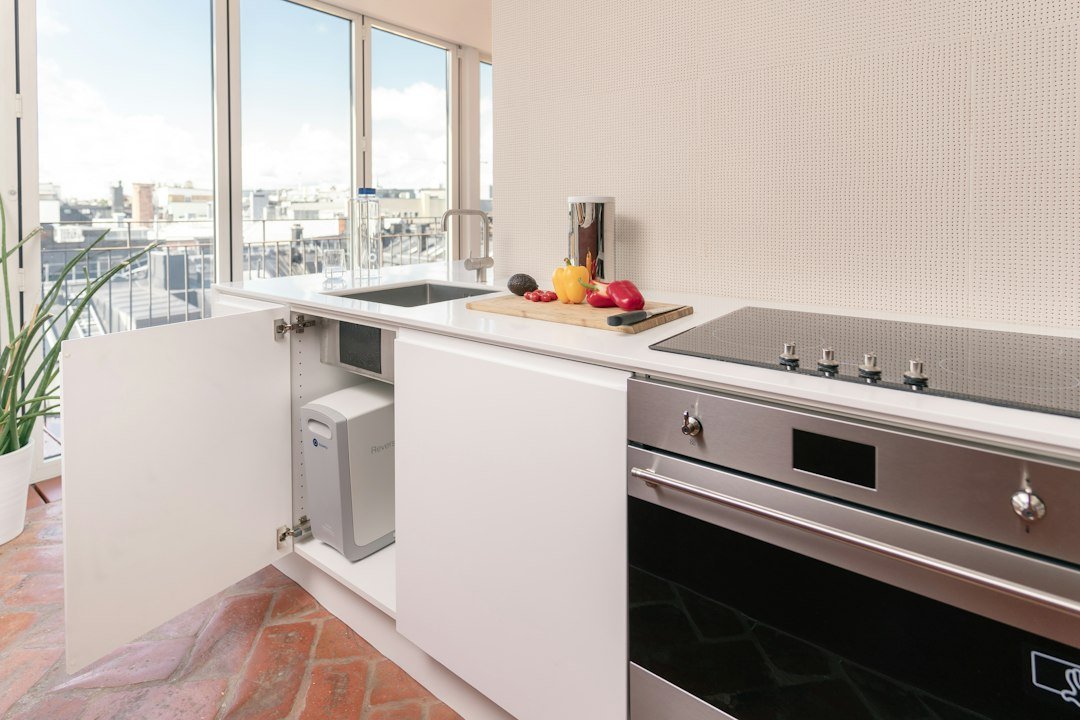
If pipes or a garbage disposal occupy the center, an L-shaped rack that uses the unobstructed side is ideal. These racks create two-tier storage on the side while leaving the plumbing clear. C-shaped designs that curve around pipes are more compact and good for very narrow cabinets.
3. Tiered shelves and risers to use vertical space
Use tiered shelves to keep short items visible above taller bottles behind. Metal or plastic stackable shelves work well because they’re lightweight and easy to reposition.
4. Bins and caddies for modular flexibility
Removable bins are the most flexible when your needs change: use one for recycling bags, one for sponges, another for concentrated cleaners. Look for handles and stackable sizes that fit the measured cabinet footprint.
5. Pots and pans organizers (if you store cookware under the sink)
If you stash a single pan or two under the sink, a narrow vertical pot organizer can keep lids and pans upright and accessible. These are only useful in deeper cabinets where plumbing isn’t in the center.
When to buy adjustable vs. fixed organizers
Buy adjustable units if your cabinet measurements are odd or you plan to move the organizer between homes or cabinets. Fixed shelves (bolted or solid single-piece racks) are typically sturdier and cheaper but must fit precisely. For small kitchens, adjustable or expandable options reduce the risk of wasted measurements.
Recommended products that fit small kitchen priorities
Below are two store-matched recommendations chosen for small cabinets and common under-sink layouts.
Why this fits: The 2-pack pull-out under-sink organizers are sized for narrow cabinets, provide front access to bottles, and work well if you want multiple removable baskets. Place one on each side of a disposal or use both for separate categories (daily vs. backup supplies).
Why this fits: The Sevenblue L-shaped 3-pack is designed to fit around pipes and disposals. Its narrow top tier is useful for sponges and brushes while the lower basket holds taller sprays—ideal if plumbing blocks the center of a small cabinet.
Before installing, place your most-used item in the cabinet and simulate the action: can you remove it quickly with the door open? That simple test predicts whether a pull-out or side rack will actually improve daily use.
Quick installation and durability tips
- Prefer rust-resistant finishes (powder-coated steel or stainless) in humid sink cabinets.
- For pull-outs, check load rating and whether the glides mount to the base or sides—side-mount glides may need a wider interior clearance.
- Use adhesive non-slip pads under lightweight bins to prevent sliding when the drawer is pulled.
- If drilling is required, avoid mounting near water lines and use short screws that won’t penetrate pipe walls.
How to choose one sensible organizer for your small kitchen
Make one practical decision: if you use the under-sink area daily for sprays and soap, choose a shallow pull-out (ID 989). If the P-trap or disposal occupies the center and you still need to keep several categories separate, pick an L-shaped rack (ID 1013). Those two choices cover roughly 80% of small-kitchen setups.
Related organizing guides you may find useful
For step-by-step arrangement and space-saving strategies, see how to organize under the kitchen sink without wasting space and how to choose the right kitchen organizer for your space.
- Measure interior width, depth and usable height under the basin.
- Sketch plumbing and disposal placement before choosing a shape.
- Decide whether reach (pull-out) or fit-around-plumbing (L/C-shape) is the priority.
- Pick rust-resistant materials if the cabinet gets damp.
- Plan categories (daily, backup, tools) and assign a bin or tier for each.
Start with measurements and a short list of what you store. For daily-access cleaning supplies choose a shallow pull-out; for plumbing-obstructed cabinets choose an L- or C-shaped rack; use tiered shelves or bins to exploit vertical space. Either of the two recommended products will suit most small-kitchen needs.
How do I measure my cabinet to ensure a good fit?
Measure the interior width between walls, depth from door to back wall, and usable height from cabinet floor to the bottom of the sink basin or crossbar; also mark plumbing locations on the measurement sketch.
Will a pull-out work if there’s a garbage disposal?
Sometimes; if the disposal is centered you’ll likely need side-mounted pull-outs or an L-shaped rack. Measure around the disposal and choose units that clear the trap.
Are plastic or metal organizers better under the sink?
Metal (powder-coated or stainless) is generally more durable and resists bending; plastic is lightweight and won't rust. For humid cabinets, favor rust-resistant metal or BPA-free plastic.
Can I stack organizers in a very small cabinet?
Yes—use narrow tiered shelves or stackable bins to separate short items above taller bottles, but ensure each layer is stable and easy to remove.
What’s the easiest upgrade for immediate improvement?
Install a single shallow pull-out or place a handled caddy at the front to keep daily items reachable; this yields the biggest usability gain with minimal work.