 Wishlist
Quick answer: Focus on defined zones, one landing spot per item, and a daily unload habit
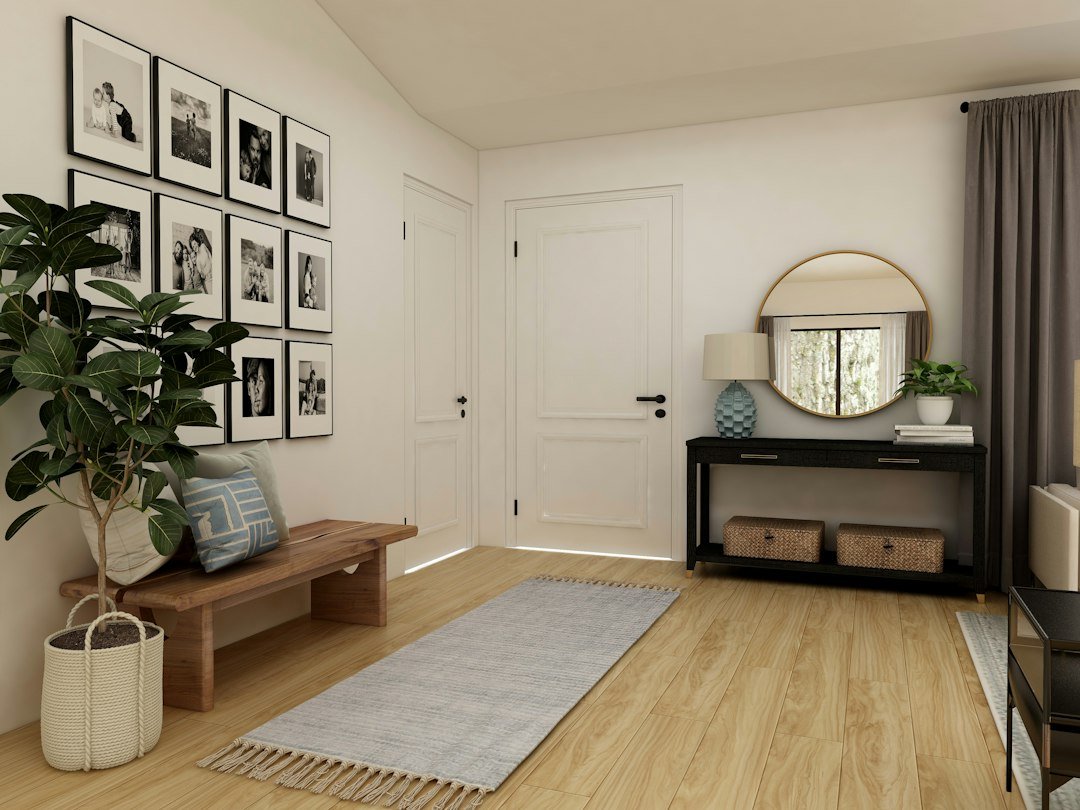
Entryway organization ideas work best when you create zones for shoes, outerwear, bags, and mail; give each item a dedicated home; and spend 2–3 minutes unloading as you come in. Below are 15 practical ideas—some quick wins, some small projects—to make that happen in any sized entryway.
1. Establish four simple zones
Designate an arrival zone (shoe rack or tray), a coat zone (hooks or closet), a drop zone for keys and mail, and a quick-grab zone for bags and shoes you’ll wear soon. When zones are explicit—physically or visually—habit forms faster.
2. Use a slim shoe rack or tray for daily footwear
A narrow shoe rack or a low-profile boot tray keeps wet or muddy shoes off the floor and contains debris. For narrow hallways, choose vertical or tiered racks so shoes sit close to the wall.
3. Put frequently used items at eye-level
Hooks, cubbies or shelves between waist and eye height make it easy to hang a jacket or drop a bag without bending or stooping—small ergonomic wins encourage consistency.
4. Add a bench with storage
A bench gives a place to sit and an enclosed area for shoe bins, baskets, or seasonal items. If you have a tiny entry, choose a bench with open cubbies sized for shoe bins to keep everything looking tidy.
5. Install a small wall shelf with a key tray
Reserve a shallow shelf or console top for a key tray, sunglasses, and loose change. A single visible surface prevents keys from vanishing into pockets or bags.
6. Use labeled baskets for family members or functions
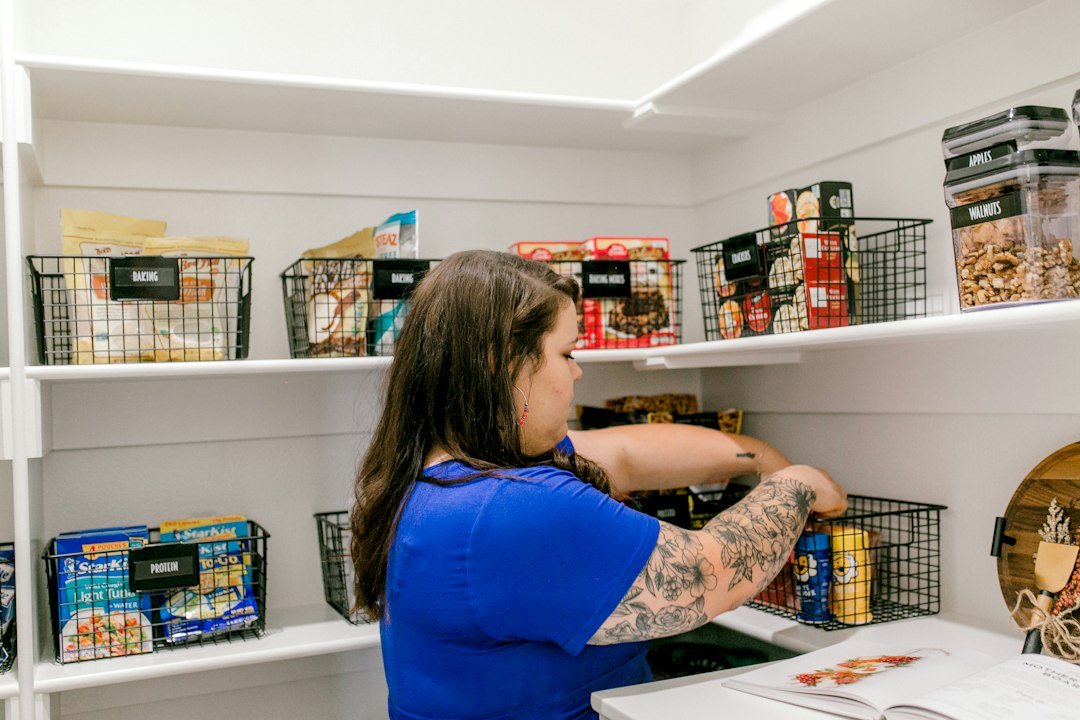
Assign a basket per person or per purpose (school, dog walk, gym). Baskets corral odds and ends and are easy to grab when you’re in a hurry. Label them with stickers or a small tag for clarity.
7. Create a mail and paper station
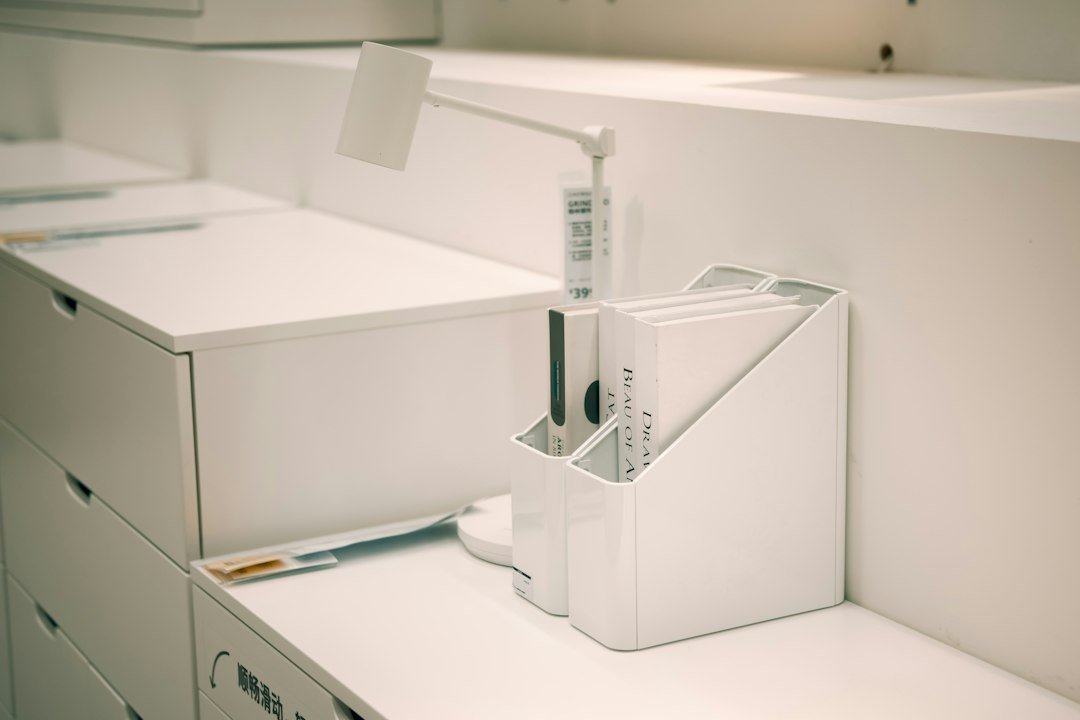
Mount a slim wall sorter or use a desktop organizer to intercept junk mail and incoming bills. Add one slot labeled “action” for items that need attention and one labeled “file” for things destined for longer-term storage.
8. Corral umbrellas and canes
An umbrella stand keeps drips off the floor and stops long items from leaning into walkways. Choose a narrow metal stand or a decorative bucket tucked beside the door.
This metal umbrella holder is a simple, attractive option for keeping wet umbrellas upright and contained in a small entryway.
9. Choose multi-purpose furniture
Console tables with drawers, trunks that double as benches, or hall trees with integrated benches and hooks can replace multiple pieces and reduce visual clutter—good for small entries where footprint matters.
10. Add vertical storage to use wall space
Floating shelves, pegboards, or stacked cubbies use vertical height and free floor area. Use top shelves for seasonal storage and lower hooks for everyday items.
11. Keep a small donation basket by the door
Place a lightweight basket for stray items you don’t want to rehome in the entry—when it fills, drop the contents into a donation box in your car. This stops accumulation of items that don’t belong in the house.
12. Swap bulky coats for slim alternatives during warm months
Seasonal rotation belongs either in a closet near the entry or in labeled storage bins. Storing off-season outerwear elsewhere immediately frees hooks and bench space for current needs.
13. Use clear or labeled containers for small essentials
Clear bins for gloves, masks, and charging cables let you find what you need quickly; opaque baskets with labels look cleaner in a styled entry while still signaling contents.
14. Stick to a two-minute arrival routine
Make a rule: within two minutes of entering, unload keys to the tray, hang jacket, drop mail in the sorter, and put shoes on the rack. Small rituals prevent daily clutter from accumulating into weekend projects.
15. Tidy once a week: quick maintenance that matters
Weekly maintenance is a fast sweep: clear new mail, empty the donation basket, re-seat shoes, and wipe drip spots. Ten minutes keeps the entry functional and welcoming.
Where to start if your entryway is tiny
Prioritize vertical hooks, a slim shoe tray, and a wall-mounted mail pocket. Skip the bench if it blocks flow—use a foldable stool you can pull out only when needed.
When you have extra space or storage options
If you have a coat closet, reserve the visible hooks for everyday outerwear and keep less-used coats inside the closet. Consider adding an over-the-door organizer for scarves and hats to maximize closet space without cluttering the entry.
- Assign arrival zones for shoes, coats, mail, and bags.
- Pick one visible landing spot for keys and daily essentials.
- Choose storage that fits your width—measure before buying.
- Create a 2-minute unload routine for every return home.
- Keep a donation basket by the door and empty weekly.
Focus on zones, the right-size storage, and a short daily habit. Small investments—a narrow shoe rack, wall hooks, one drop tray—eliminate most entryway clutter and make comings and goings easier.
How much space do I need for a functional entryway?
You can make a functional entry with as little as a 3–4 foot wall by using vertical hooks, a slim shoe tray, and wall-mounted organizers; measure available width before buying furniture.
What’s the best way to manage shoes in shared households?
Use labeled baskets, a tiered shoe rack with zones per person, or a bench with individual cubbies so shoes don’t mix and each person knows their spot.
Should I keep a coat closet or use wall hooks?
Coat closets hide clutter and are best for bulk storage; wall hooks are more convenient for daily use. Use both when possible: hooks for today’s wear, closet for off-season items.
How do I stop mail from piling up in the entry?
Install a sorter with three slots—action, file, recycle—and process the “action” slot within 48 hours to prevent buildup.