 Wishlist
You reach into the cabinet for a container to pack lunch and pull out a teetering tower of mismatched tubs. Half the lids are missing, the rest are jammed in a drawer. If that scene is familiar, the time spent searching and re-pairing containers adds up every week. Below are 10 practical ways to organize food storage containers and lids—fast fixes you can do in an hour and a few smarter systems to keep things tidy long-term.
Start by purging then sort by true use
Before new organizers, decide what stays. Empty drawers and shelves and group everything: nesting plastic containers, glass containers, single-serving tubs, snap-lid sets, and orphan lids. Toss warped or stained pieces and recycle cracked lids. Keep only what you actually use—holiday-sized tubs or mismatched novelty pieces can go into seasonal storage.
Make lids visible and accessible
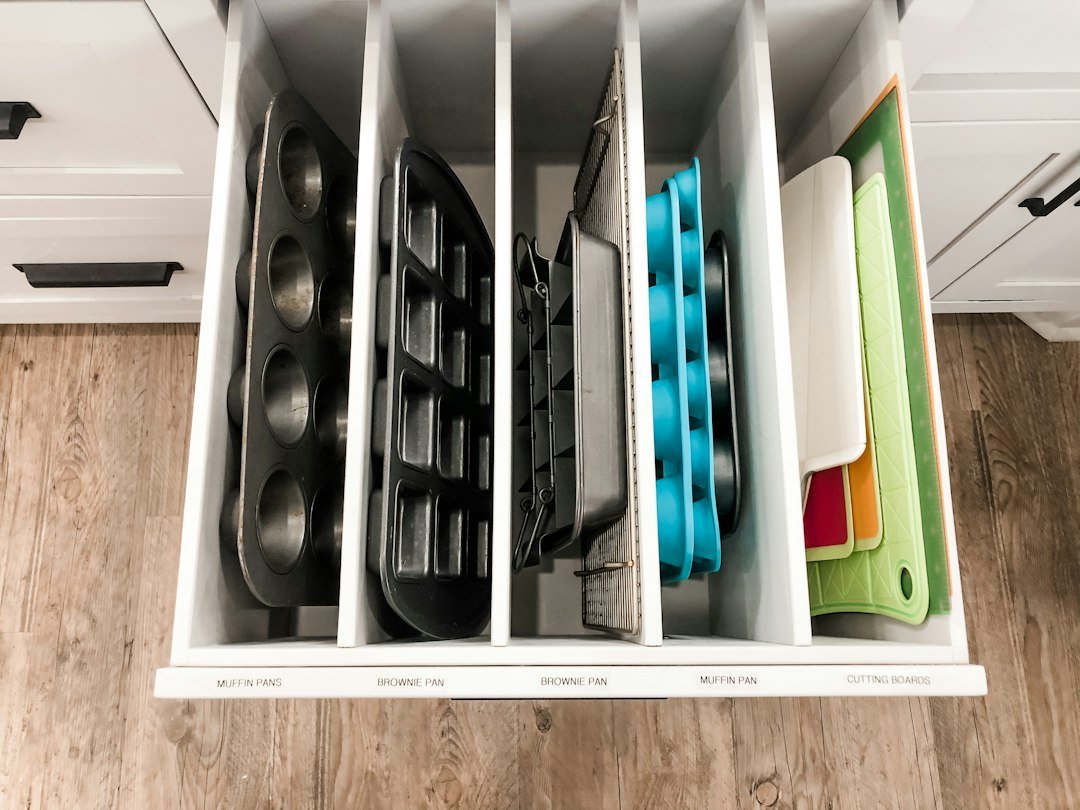
Missing-lid frustration melts when lids are stored separately but visible. Use shallow, wide drawers with vertical dividers or inexpensive file organizers to store lids on their sides so you can see sizes at a glance. If drawer space is limited, a wall-mounted or over-the-door rack with slots for lids works equally well.
Stack and nest containers by set and frequency
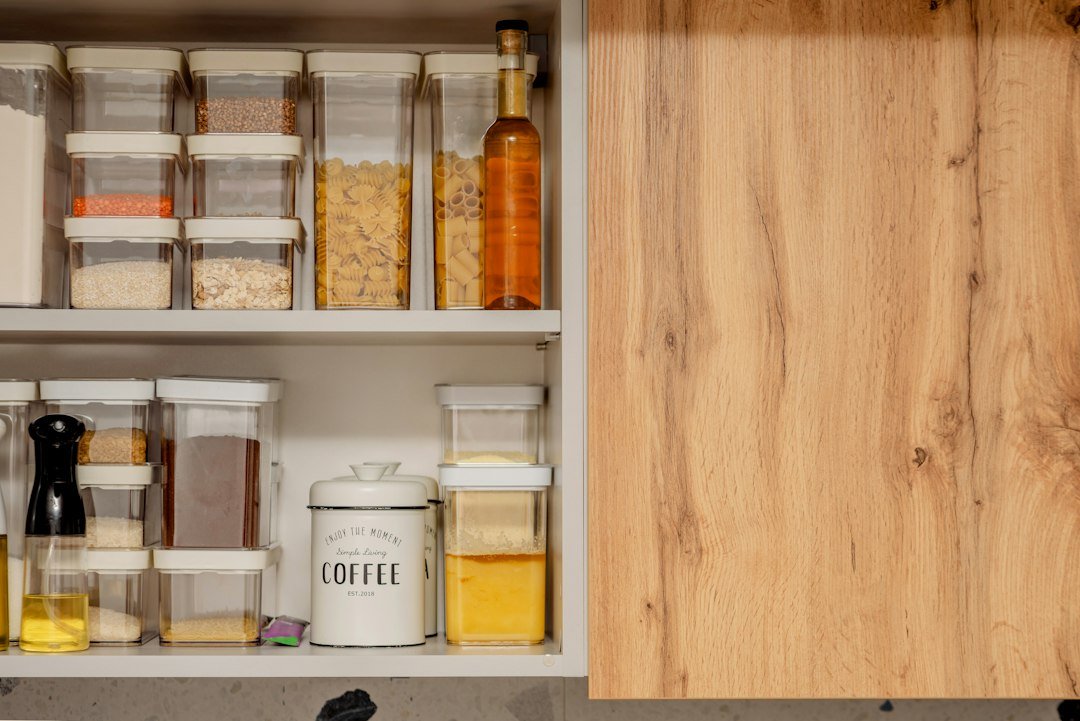
Stack containers of the same brand and shape; nest smaller sets inside larger ones. Reserve the most-accessed sets—lunch containers, microwave-safe bowls—on a middle shelf. Less-used bulk or seasonal containers go higher or in pantry storage. Stackable, clear containers shorten visual search time and maximize vertical space.
Use a lid organizer product for one common headache
If your kitchen has many single-brand containers or lots of orphan lids, a purpose-built lid organizer saves time. For a precise match, try the MaGrnce Lid Organizer (ID 5992) to hold and label lids vertically—especially helpful for shallow drawers or cabinet doors. This is a high-impact single purchase that solves the “lids in a jumble” problem.
Reserve a shallow pull-out for short, wide pieces
Shallow pull-out drawers or under-shelf baskets are perfect for shallow plastic lids, baking dish lids, or collapsible silicone containers. These keep flat items from being buried and can be retrofitted beneath a shelf with no major renovations.
Corral orphan lids in a single basket for matching later
Create a “lid hospital” small basket on a lower shelf or in the pantry for unmatched lids. Once a month pair them back to containers during a quick tidy session. This reduces daily decision fatigue while keeping mismatches out of the main flow.
Turn cabinet doors into useful real estate
Cabinet doors are underused. Attach slim racks or magnetic strips to hold lids, cutting boards, or small container sets. This makes frequently used lids easy to reach and frees shelf space for stacked containers.
Label and color-code for families or busy kitchens
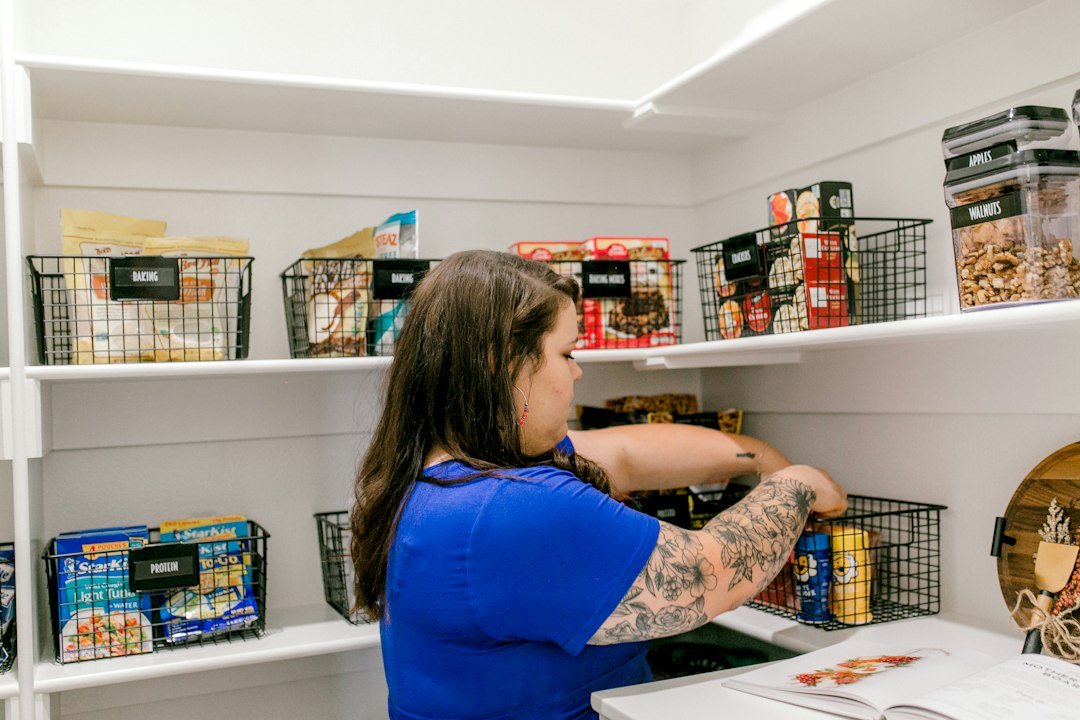
Label shelves or use colored stickers on container bottoms and matching lids—green for breakfast, blue for leftovers, red for meal-prep sets. Labels help multiple cooks return items to the correct place and discourage scavenging single-use vessels for daily meals.
Designate zones: fridge, pantry, and cabinet homes
Give each container type a “home.” Refrigerated meal-prep containers should live near the fridge door or a dedicated fridge bin; pantry canisters and bulk storage stay on pantry shelves; daily microwave bowls keep to a cabinet near the microwave. Clear zones reduce cross-cabinet searching.

Consider container upgrades that simplify storage
When replacing sets, choose stackable, nesting, and same-brand containers with interchangeable lids. Airtight, clear containers (like the Rank #1 airtight set, ID 3269) reduce the number of lid shapes you need to manage and improve longevity. Buy one well-designed set rather than many single mismatched tubs.
Store lids with their matching container on the same shelf when possible—either inverted on top of the stacked container or in a nearby vertical slot—so a matched set is always grab-ready.
Checklist to finish your container overhaul
- Purge cracked, stained, and unused pieces.
- Group containers by shape/size and nest where possible.
- Create a visible lid storage solution (drawer dividers or vertical rack).
- Assign homes for fridge vs. pantry vs. cabinet items.
- Label shelves or color-code sets for easy returns.
- Buy one uniform stackable set when replacing mismatched containers.
Start small—clear one shelf or drawer—then standardize. Keeping lids visible, pairing sets immediately, and choosing stackable containers create a low-effort routine that prevents future clutter. One smart product and a short monthly tidy are all it takes to keep containers under control.
Where should I store lids if I have limited drawer space?
Use vertical lid holders mounted on cabinet doors or shallow under-shelf baskets; these use dead space and keep lids visible without needing deep drawers.
Are glass containers better for organization than plastic?
Glass stacks neatly and is more durable, but it’s heavier. Choose glass for long-term storage and plastic for lightweight, everyday lunches; keep like with like to simplify stacking and lids.
How often should I declutter containers?
Do a quick purge every 3–6 months and clear the orphan-lid basket monthly to prevent buildup and make matches easier.
What’s the easiest solution for many mismatched lids?
One simple purchase—a dedicated lid organizer—paired with a short pairing session will eliminate most daily headaches and keep lids tidy.
Can I store lids inside their containers?
Yes for consistent sets—placing lids upside down on stacked containers saves space, but if you have many different lids, separate visible storage is faster for finding matches.