 Wishlist
Focus on function: what matters (and what you can ignore)
When you organize pots and pans, prioritize accessibility, protection, and space efficiency—then match solutions to how you cook. You can safely ignore trends that prioritize looks over function (for example, making every pot visible on a wall when you rarely use them) and one-size-fits-all setups. What matters is where you reach from while cooking, how often you use each piece, and whether your storage space is a deep cabinet, shallow cabinet, drawer, or an open shelf.
Decide by use case before choosing a product
Begin by grouping cookware by frequency and function: daily pans (skillets, saucepan), specialty pieces (wok, roasting pan), and lids. Then map those groups to available real estate:
- Stovetop-adjacent cabinet or drawer: best for everyday pans you grab mid-cook.
- Deep lower cabinet: good for nesting or vertical storage if you want to maximize capacity.
- Shallow cabinet or pantry shelf: better for stacked lids and lightweight skillets.
- Island or hanging rail: useful when you want quick reach and have attractive cookware to display.
Vertical vs. nested: trade-offs and when to use each
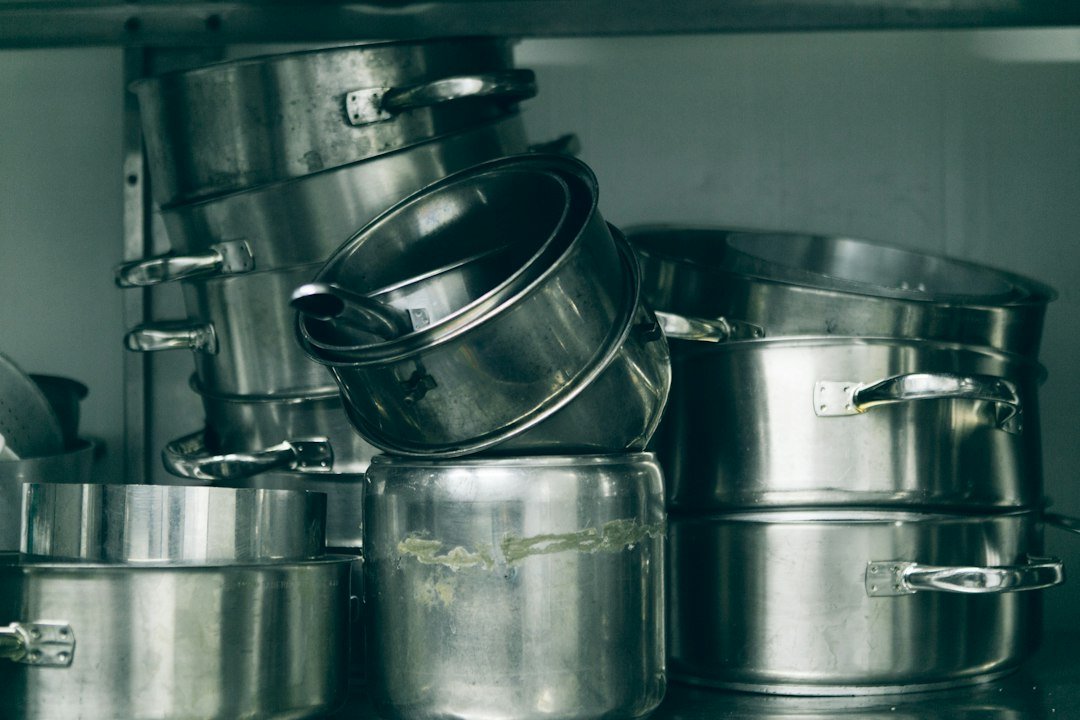
Nested stacking saves the most space but slows access and risks scratches; use it for sets you use together (stacked saucepans) or in low-use areas. Vertical storage—using dividers or racks—uses more footprint but lets you pull one pan without disturbing others and reduces scratching.
Pick vertical if you have frequent pan swaps during cooking, or if pans have nonstackable shapes and lids that need their own spots.
Best approaches by kitchen layout
Shallow drawers and wide deep drawers
Wide drawers are ideal for modular dividers or slots. Use removable foam or wood dividers spaced for your largest handles so pans sit upright on their rims. For lids, a shallow divider row or an upright lid rack keeps them visible and prevents clattering.
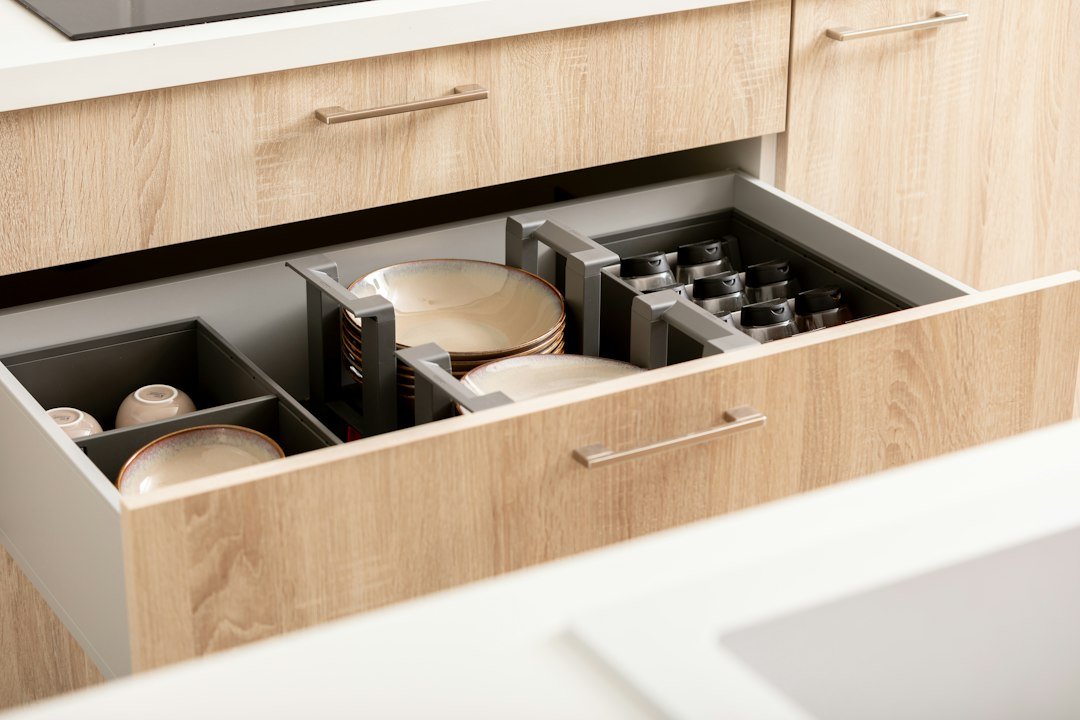
Tip: protect nonstick surfaces by adding thin silicone pads between stacked pans if you must nest them in a drawer.
Deep base cabinets without drawers
If you have a deep lower cabinet, two proven options work well: a pull-out tray or vertical racks. Pull-outs let you access pans at the back without kneeling; vertical racks convert wasted depth into organized, visible rows.
Under-cabinet and limited-height spaces
Under-cabinet organizers that mount to the underside of a shelf or the cabinet itself make lids and shallow pans more accessible without taking drawer space. These are especially helpful for lids and baking sheets in cramped spaces.
Product fit: measure cabinet depth and door swing before buying; many under-cabinet units require only a few inches of clearance.
Open shelving or hanging rails
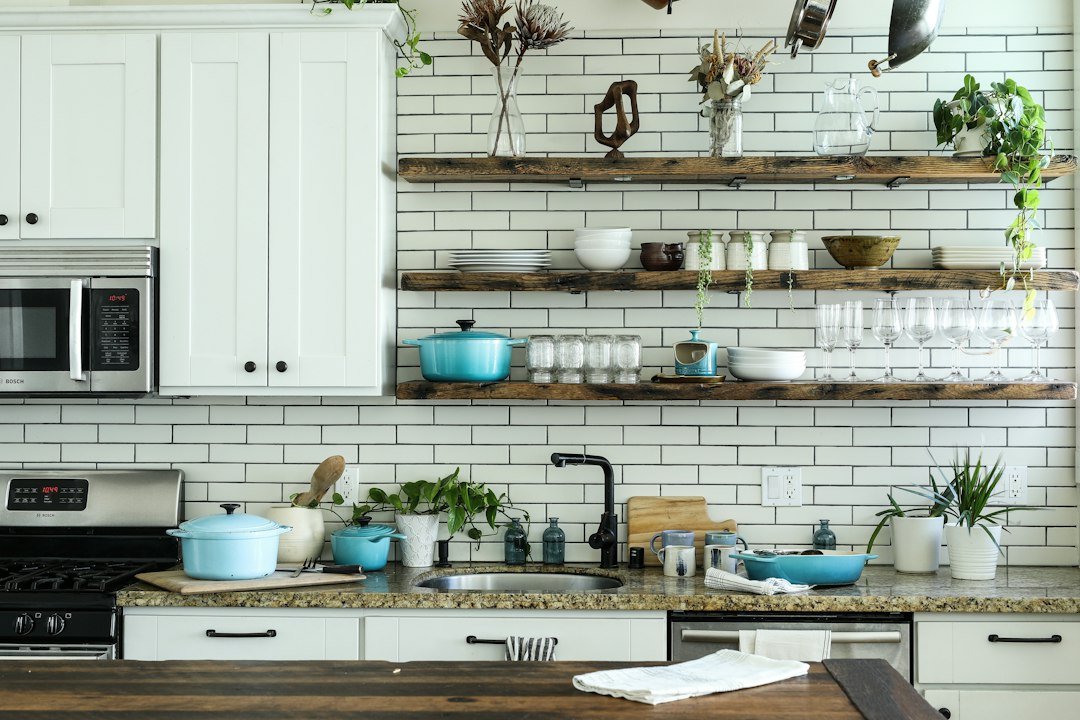
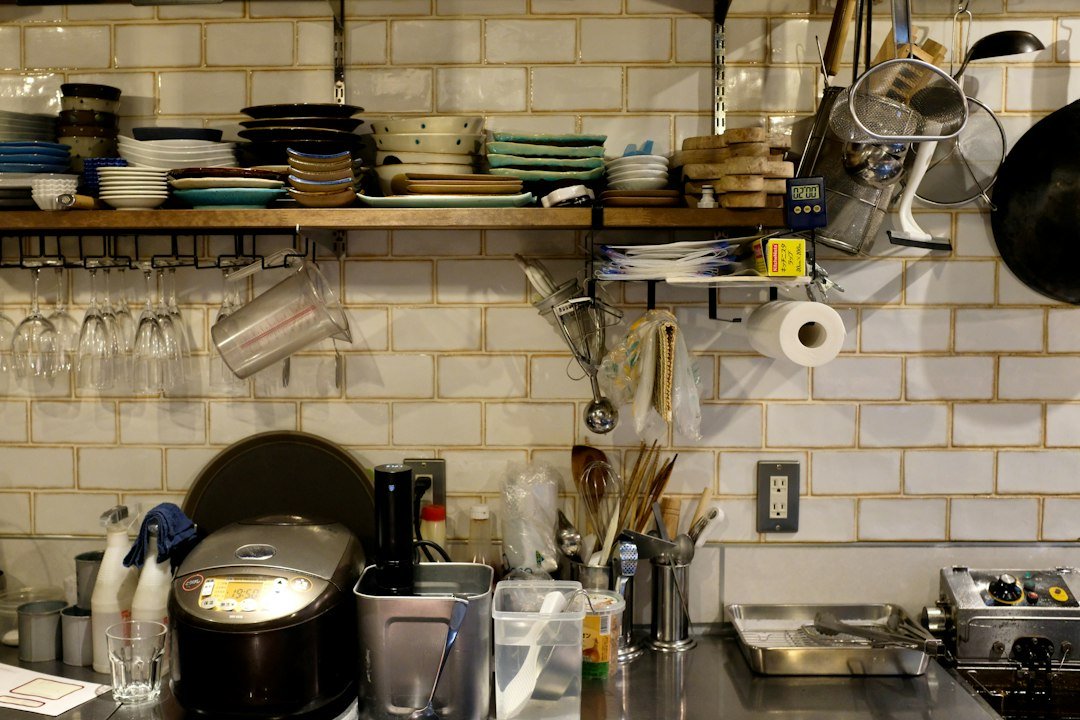
Open shelves are fine for heavy-duty cast iron or attractive stainless pieces you use often—put the heaviest items low. Hanging rails are great for long-handled skillets but can crowd a workspace and collect grease, so reserve them for items you genuinely use every week.
How to handle lids (the small problem that becomes big)
Lids are awkward because they don't stack like pans. The best choices:
- Dedicated lid rack inside doors or mounted on a shelf edge for vertical storage.
- Drawer dividers that create upright slots for lids so you can see sizes quickly.
- Under-shelf lid hooks if shelf space is limited—these free the shelf below for pots.
Keep lids paired with their pans if you reach for them together; separate storage works if lids are used as general covers (e.g., glass lids used with multiple pans).
Material and finish considerations to prevent damage
Soft-touch coatings or felt/silicone liners are worth the small extra step: they prevent metal-on-metal scuffs that ruin nonstick and polished finishes. For heavy cast iron, skip delicate liners and instead store on thicker wood or metal shelves designed to carry weight.
One practical product recommendation for most kitchens
If you want a single, broadly useful solution for lower cabinets, an under-cabinet or pull-out organizer solves access and protects cookware while keeping lids tidy. It’s a good mid-price, high-impact buy after you’ve measured your space and grouped cookware by frequency.
When to invest in multiple solutions
Many kitchens benefit from a hybrid approach: vertical dividers for daily pans in a drawer, a lid rack inside a door, and an under-cabinet pull-out for odd or heavy pieces. Invest in multiple small fixes rather than one large unit if your cookware is varied in shape and use.
Quick maintenance habits that keep organization working
- Return cookware to its designated spot immediately after washing.
- Every six months, audit pieces you haven’t used—donate or store offsite to clear active space.
- Use handle orientation consistently so items don’t collide when pulled out.
Summary: choose by reach, frequency, and protection
Start with three simple decisions: what you use daily, where you can reach from the stove, and whether protecting finishes or maximizing capacity is more important. Match vertical racks to frequent access, nesting to infrequently used matched sets, and lid racks to keep covers organized. Small investments—dividers, liners, or a pull-out—often deliver more everyday value than a dramatic visual change like a hanging rack.
- Measure cabinet depth, height, and door swing before purchasing any organizer.
- Group cookware by frequency of use and store daily items near the stove.
- Choose vertical dividers for frequent-access pans and nesting for matched, low-use sets.
- Add a dedicated lid rack or drawer slot so lids are visible and paired when needed.
- Use soft liners or silicone pads to protect nonstick surfaces.
- Audit cookware every six months and remove underused items.
Organize pots and pans with function first: keep everyday pieces within arm’s reach, protect finishes with liners or dividers, and use pull-outs or vertical racks to make deep cabinets usable. A targeted product—like an under-cabinet pull-out—often fixes the biggest pain points quickly.
Should I stack my nonstick pans to save space?
Only if you protect them with felt or silicone pads; frequent stacking without protection can damage nonstick coatings. Prefer vertical storage for daily-use nonstick pans.
Are pull-out organizers worth installing in lower cabinets?
Yes—pull-outs greatly improve access and protect cookware from being shoved to the back, especially in deep cabinets.
How do I store lids if I have very little cabinet space?
Use vertical lid racks mounted on cabinet doors or under-shelf hooks to reclaim narrow spaces without sacrificing shelf area.
Can I use a hanging pot rack in a small kitchen?
You can if ceiling height and grease protection are adequate, but in small kitchens hanging racks can crowd work areas—reserve them for frequently used, attractive cookware.
What’s the best first purchase to fix messy cookware storage?
Measure and buy an under-cabinet or pull-out organizer compatible with your cabinet—it's the most broadly useful upgrade for access and protection.