 Wishlist
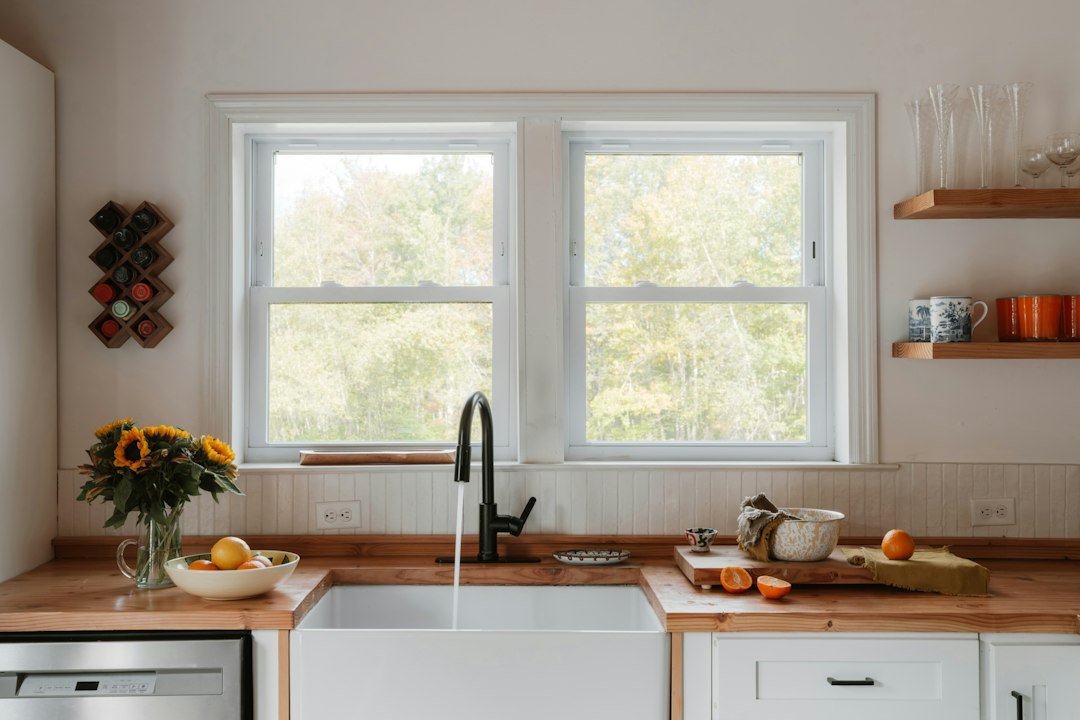
Start with the result you want: a usable, calm kitchen where everything has a designated place
When you organize a small kitchen, the goal isn’t to cram more storage into the room but to make the space function as if it were larger. That means clear counters for prep, fast access to everyday items, and cabinets and drawers arranged so you don’t have to move three things to reach the fourth.
Quick prep: measure, inventory and decide what stays
Before buying organizers, spend an hour doing three things: measure key dimensions (counter depth, cabinet height and shelf spacing, door widths), make an inventory of what you actually use weekly, and decide what can be donated or stored elsewhere. Reality-check the inventory: if you haven’t used a single large appliance in six months, it’s a candidate to go.
Zone the kitchen so tasks map to places
Create functional zones—prep, cooking, serving, cleanup and food storage—and place the most-used items closest to each zone. For example, keep cutting boards, knives and frequently used oils near the prep area; pots and spatulas next to the cooktop; and plates and glasses near the dishwasher or sink for easy unloading.
Free up counter space with three practical moves
- Clear the perimeter: remove single-use gadgets that live on the counters and relocate them to a cabinet or pantry.
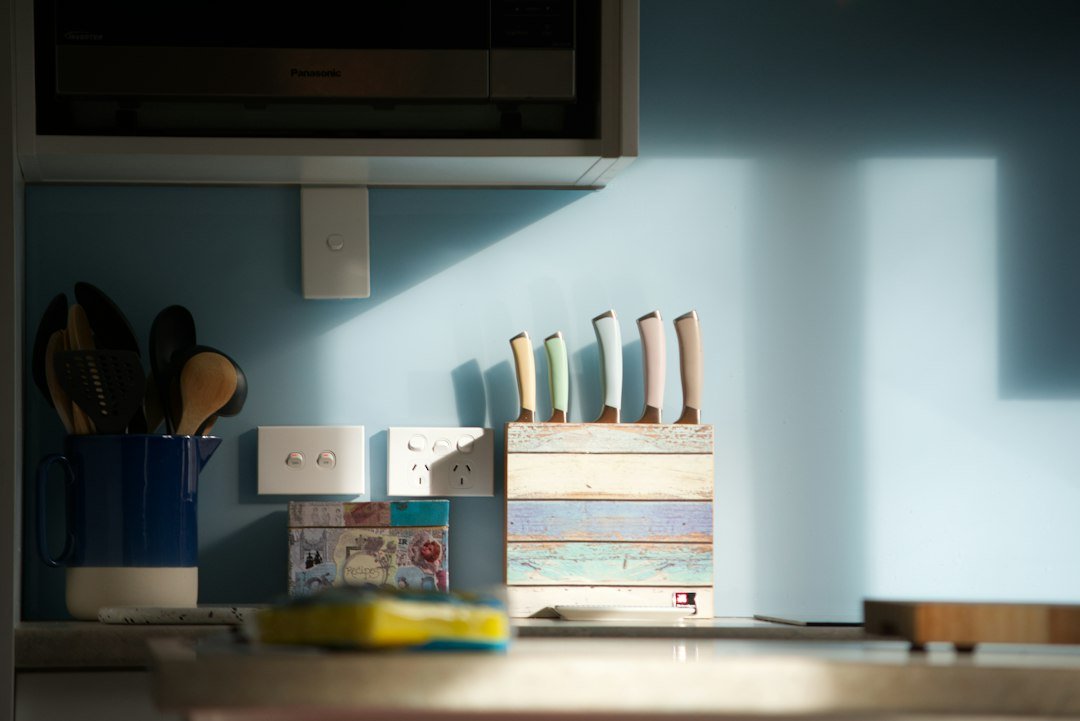
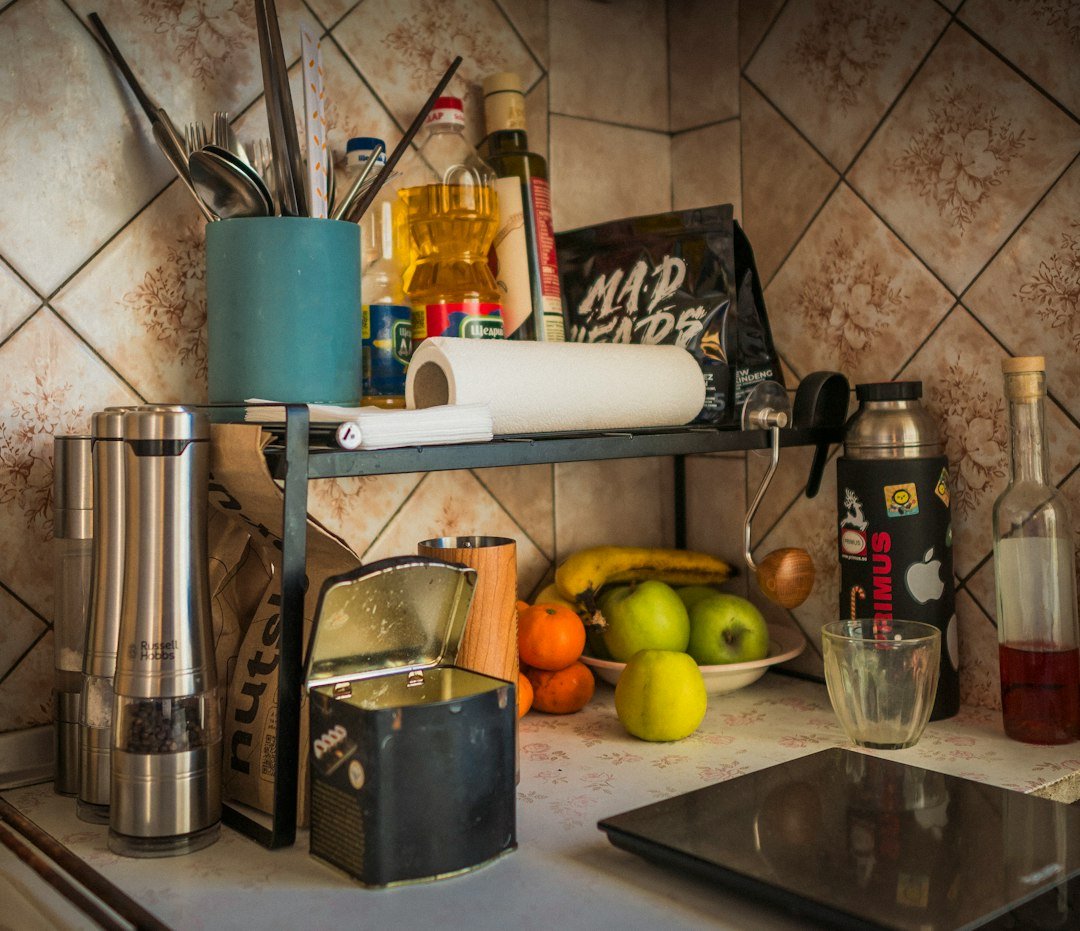
- Adopt vertical staging: use wall hooks or a magnetic strip for knives and frequently used utensils, which keeps them within reach but off the work surface.
- Use a compact rolling cart: a narrow cart can hold a microwave or small appliances and tuck under a counter when not in use—useful when you need occasional surface area without sacrificing daily workspace.
Make cabinets work harder: stacking, vertical storage and rethinking shelves
Small kitchens benefit from treating cabinet interiors as a system. Add shelf risers to double usable vertical space for plates and mugs. For baking sheets, cutting boards and pot lids, use vertical dividers so items stand on edge rather than lie flat. Reserve the lower, deeper cabinets for heavy items like pots and small appliances.
One especially effective upgrade for pots and pans: an organizer that lets you stack or separate pans vertically so lids and skillets are accessible without emptying the cabinet. For many kitchens, the LAMU Pots and Pans Organizer is a practical choice to fit existing cabinets and reduce the time spent wrestling cookware.
Drawer systems that reduce shuffling
Kitchen drawers are worth optimizing because they’re the most accessible storage. Use a deep bamboo or modular insert for utensils so everything has a slot. For mixed drawers, create small zones with small bins: one for measuring spoons, one for baking tools, one for food wraps. If you have shallow drawers, consider adding a second layer—thin trays that sit on top to create two levels.
Pantry and food storage: visibility beats capacity
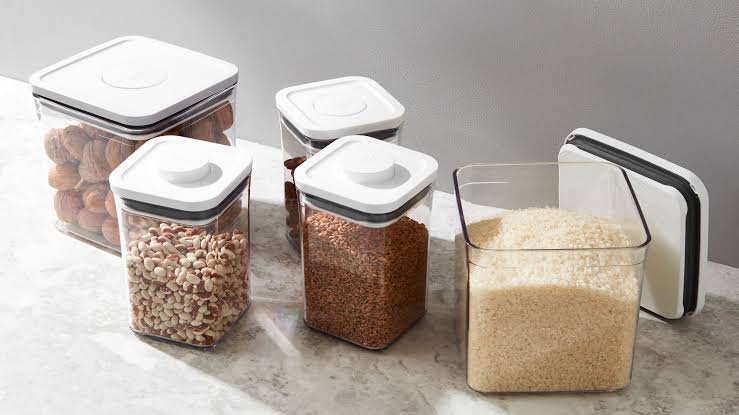
In a small pantry, visibility and uniform containers make a huge difference. Transfer staples like rice, pasta and flour into clear, stackable canisters and label them. Group items by use (baking, snacks, breakfast) and put the oldest stock at the front. For doors, hang an over-the-door rack to store spice jars, packets and small snacks where they’re easy to scan.
Under-sink and awkward spaces: containment and access
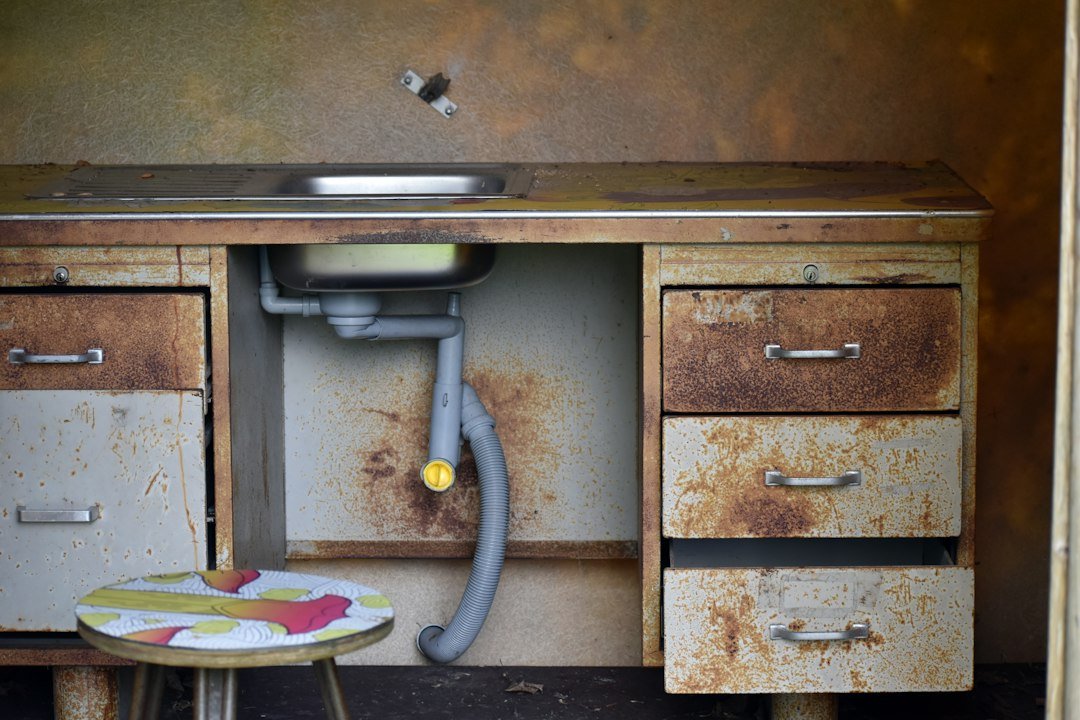
Under sinks are messy because cleaning products, garbage bags and small tools compete for space. Use a sliding organizer or stackable bins so items are grouped and pull out together. Keep only frequent-use cleaners under the sink; seasonal or seldom-used supplies go to another storage area. If pipes limit the layout, slim trays or baskets that slide in front are the easiest retrofit.
Open shelving and visibility: accept a maintenance routine
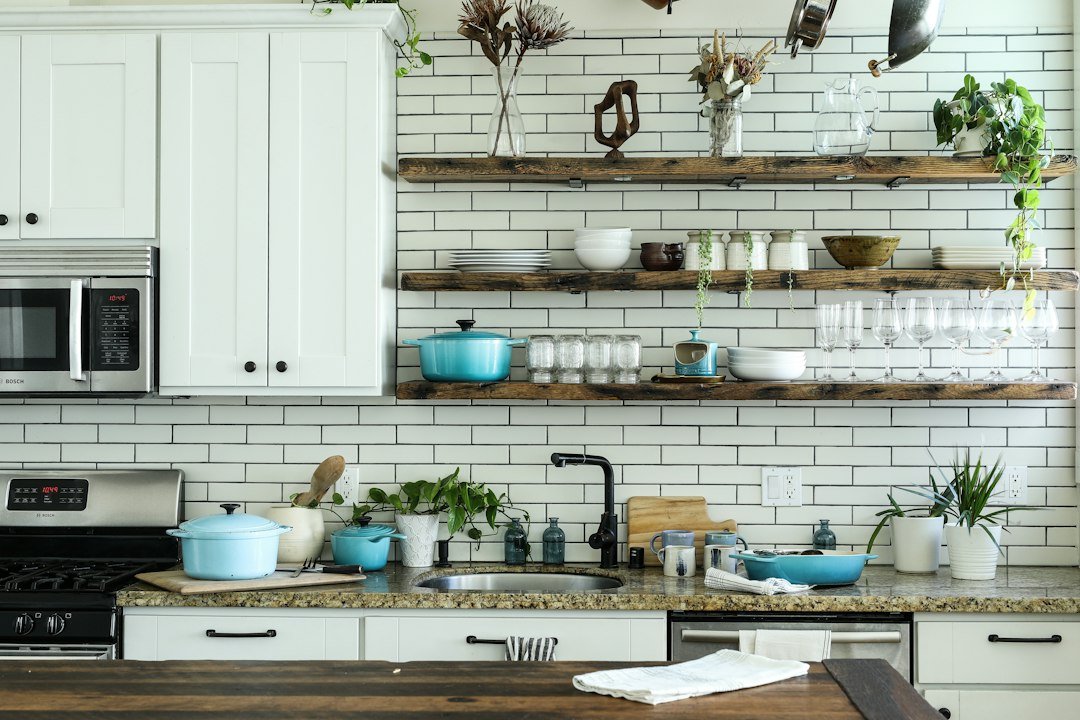
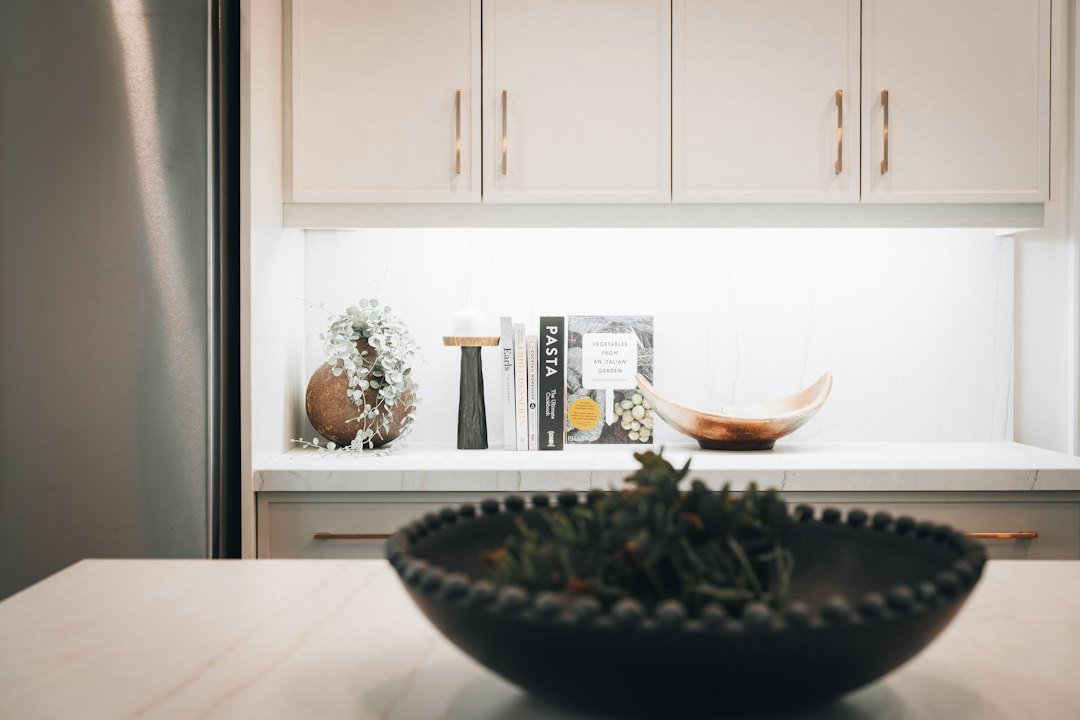
Open shelves can make a small kitchen feel larger, but they require discipline. Store only attractive, frequently used items; rotate what’s on display and keep a small basket to capture mail and random items so shelves don’t become catchalls. If dust is a concern, keep heavier, less-used items behind cabinet doors.
Maintenance habits that keep the system working
Adopt two short habits: a five-minute nightly tidy to clear counters and return items to their homes, and a 15-minute monthly review to check expired food, one-off items that crept back in, and anything that no longer fits. These small habits prevent the mess from outgrowing your solutions.
Troubleshooting common small-kitchen problems
- Too many small appliances: prioritize by frequency—keep daily-use items accessible and store seasonal or rare appliances elsewhere.
- Cabinet shelves too tall or short: use shelf risers or adjustable shelf clips to create usable levels.
- Items get lost in the back: install turntables for condiments and oils, or use sliding baskets so you can pull the whole row forward.
When to consider a simple installation
If you’ve decluttered and reorganized but still lack space, modest installations—like a wall-mounted pot rack, a narrow floating shelf, or a mounted spice rack—can multiply usable area without a full remodel. Measure twice and pick shallow-mounted hardware so you don’t obstruct walkways or doors.
Related guides and deeper reads
For focused problems: try organizing under the sink and making a small kitchen feel more spacious for complementary tactics.
- Measure counters, cabinet heights and pantry door width before buying organizers.
- Declutter: remove appliances and items not used in the past six months.
- Create functional zones and move items accordingly.
- Install vertical dividers or risers in cabinets for plates, lids and pans.
- Use clear, labeled canisters for pantry staples and an over-the-door rack for spices.
- Add a sliding or pull-out organizer under the sink for cleaning supplies.
You can achieve a more functional small kitchen without remodeling by making the room work smarter—zone tasks, reduce clutter, add vertical and pull-out organizers, and adopt quick daily and monthly maintenance habits. Small changes often deliver the biggest everyday gains.
What’s the first thing I should do in a small kitchen?
Measure key spaces and inventory what you use daily—then remove or relocate items you don’t need every week. That clarifies which organizers will actually help.
Are over-the-door racks durable enough for pantry items?
Yes—choose racks with solid metal hooks and check the door trim clearance; they’re ideal for spices, snacks and lightweight bottles.
Can I store pots and pans vertically in any cabinet?
Vertical storage works best in deep cabinets; use a dedicated pan organizer sized to your cabinet depth and reserve lower shelves for heavier items.
How do I keep open shelves from getting messy?
Limit what you display to attractive, frequently used items, use matching containers where possible, and keep a small catch-all basket to prevent clutter buildup.
Is a rolling cart worth it in a tiny kitchen?
Yes, if you need flexible work surface or appliance storage; choose a narrow cart with locking wheels so it’s stable when in use and tucks away when not needed.