 Wishlist

Practical observation from real kitchens
Most pantries and lower cabinets become a “blind spot” because items slide to the back and vanish. A good lazy susan solves that simply: it makes everything visible and reachable without digging. But not every turntable is equally useful — size, shape, load capacity and how it mounts matter far more than brand names.
What actually matters when buying lazy susans for cabinets and pantries
Start by matching the lazy susan to the cabinet problem you have. The right choice depends on three measurable constraints and one daily use question.
- Cabinet shape and clearances: round or oval trays work on flat shelves; kidney-shaped or pie-cut units are for corner cabinets. Measure usable shelf diameter and front-to-back depth after accounting for door thickness, hinges and any plumbing or obstructions.
- Weight capacity and material: wire or metal turntables handle cans and heavy cookware better; solid wood or plastic is fine for spices, oils and lighter items. Check load rating if you’ll stash heavy glass or cast-iron.
- Mounting and movement: top-mounted rotating pads are easiest to install; ball-bearing lazy susans spin more smoothly. Some models mount to the underside of a shelf to create a suspended rotating surface — useful when space is tight.
- Daily access pattern: do you grab small jars quickly, or shift bulky bags and boxes? For small frequent items, a low-profile, smooth-turning tray with non-slip surface is best. For infrequent heavy items, choose sturdier, higher-capacity construction even if it spins less freely.
Measure before you buy: the three numbers to record
Before shopping, write down these dimensions: internal cabinet width/diameter, shelf depth (front-to-back), and shelf-to-top clearance (vertical space). Round up to allow for hinge swing and 1/4" for easy spin. If the cabinet is a corner, measure both door widths and the depth to the back corner — corner lazy susans need different geometry than round ones.
Which type to choose by common kitchen use cases
1. Deep pantry shelves with cans and bottles
Why: heavy loads and crowded rows. Look for metal or wire lazy susans with a high weight capacity and raised rim so cans don’t slip. A slightly larger diameter with sturdy ball-bearing rotation reduces the effort of turning a loaded tray.
When to pick this: you store canned goods, jars, or bottles on the shelf and want dependable long-term strength.
2. Corner base cabinets
Why: standard round trays sit poorly in angled corners. Choose pie-cut or kidney-shaped lazy susans that match the cabinet’s sweep; two-tiered half-moon units are common for L-shaped corners. Pay attention to hinge clearance and whether the spindle attaches to the cabinet floor or shelf.
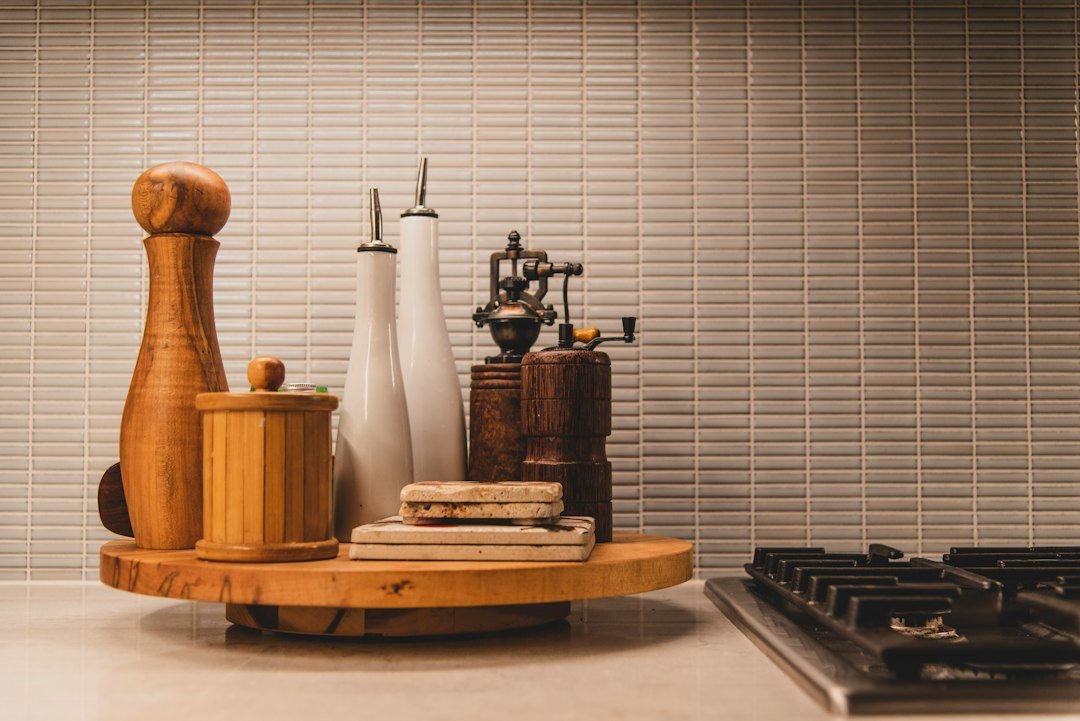
3. Small jars, oils, spices, and cosmetics on upper shelves
Why: these need gentle turning and a tidy footprint. A low-profile wood or bamboo tray with a non-slip ring is ideal. Soft-stop or smooth ball-bearing mechanisms make quick one-handed reaches easy. If you’re worried about spills, pick a material that wipes clean.
4. Narrow shelves, under-shelf mounting or multi-level needs
Why: when vertical clearance is limited, look for undershelf or double-decker turntables that hang from the shelf above or stack. These maximize capacity without requiring extra height. Check that the weight of the top tier won’t distort the mount.
Materials trade-offs at a glance
- Steel/wire: best for heavy canned goods and wet environments; airy look but can scratch delicate surfaces unless rubber feet are used.
- Plastic: lightweight and inexpensive; easy to clean but lower weight limits and can warp over time if overloaded.
- Wood/Bamboo: attractive and stable for light-to-medium loads; needs drying if it gets wet and is heavier to move in and out of cabinets.
Installation and durability notes that save returns
Most countertop or shelf-top lazy susans need zero tools — just place and spin. Mounted models require screws and a drill and may need center clearance. If you rent or avoid drilling, look for non-marring bases with good grip or undershelf clamps that don’t penetrate. For durability, prefer ball-bearing mechanisms and replaceable rubber feet.
Two recommended products that fit common needs
These picks reflect typical pantry and cabinet demands: one heavy-duty organizer for cans and cookware, and one versatile shelf-level organizer for lighter, high-use items.
Pick this for: lower cabinets and pantry shelves where cans, bottles and heavier jars are common. Robust structure and smooth rotation make it practical for frequent access.
Pick this for: creating extra shelf levels, organizing plates, lids, or small containers in upper cabinets and pantries where stacking and accessible tiers are useful.
Small maintenance tips to keep a lazy susan useful for years
- Wipe spills promptly to prevent sticky rotation or wood swelling.
- Check and replace rubber feet annually to avoid shelf scratching and slipping.
- If a mounted spindle becomes wobbly, tighten the center bolt rather than replacing the whole unit.
- Don’t overload: distribute weight evenly and avoid stacking fragile glass directly on a high-speed rotating surface.
Quick links to related organizing coverage
For broader context on pantry layout and container choices, see our guides on how to organize a pantry for easy everyday use and best pantry storage containers.
- Measure internal cabinet width/diameter, depth and vertical clearance.
- Decide if you need a corner (pie-cut) or round tray.
- Choose material by weight you’ll store (wire/steel for cans, wood/plastic for spices).
- Confirm mounting method fits whether you can drill or need a non-drill option.
- Check weight capacity and bearing type (ball-bearing for smoother spin).
- Plan for cleaning and occasional replacement of rubber feet or screws.
Choose a lazy susan based on cabinet geometry and what you store most. Measure carefully, match material to weight, and prefer robust bearings for frequent use. A heavy-duty metal turntable for canned goods and a low-profile wooden tray for spices cover most needs.
Will a lazy susan fit in any cabinet?
Not always. Measure internal dimensions and hinge clearance — corner cabinets often require pie-cut designs, while deep flat shelves use round or oval trays.
Are metal or wooden lazy susans better?
Metal is better for heavy loads and humid areas; wood looks nicer and suits lighter items. Choose by what you store most.
Can I install a lazy susan without drilling?
Yes — freestanding turntables and non-marring undershelf clamps exist. Mounted spindles usually require screws for stability.
How do I prevent items from sliding on a turntable?
Use raised rims, non-slip mats or trays with textured surfaces; evenly distribute weight, and avoid stacking unstable items near the edge.
Are two-tier lazy susans worth it?
They’re useful when vertical space is limited and you need separation for small items, but ensure the mount supports the combined weight.