 Wishlist

What really matters when choosing spice racks for small kitchens
For cramped kitchens the priorities are simple: visibility, accessibility, and footprint. If a rack keeps spices hidden or requires juggling jars, you’ll stop using it. Ignore flashy extras like built-in timers or oversized decorative bins — what matters is where the rack goes (cabinet, door, counter, wall), how many bottles it holds, and whether it fits your actual clearances and workflow.
Measure first: cabinet interior height, shelf depth, door thickness (for over-the-door), and any counter clearance you can spare. Think about how you cook — do you reach for spices while stirring at the stove (favor a wall or magnetic rack near the range) or while prepping at the counter (countertop or drawer inserts)?
Key design choices and when to pick each
Below are the practical trade-offs to decide which style suits your small kitchen.
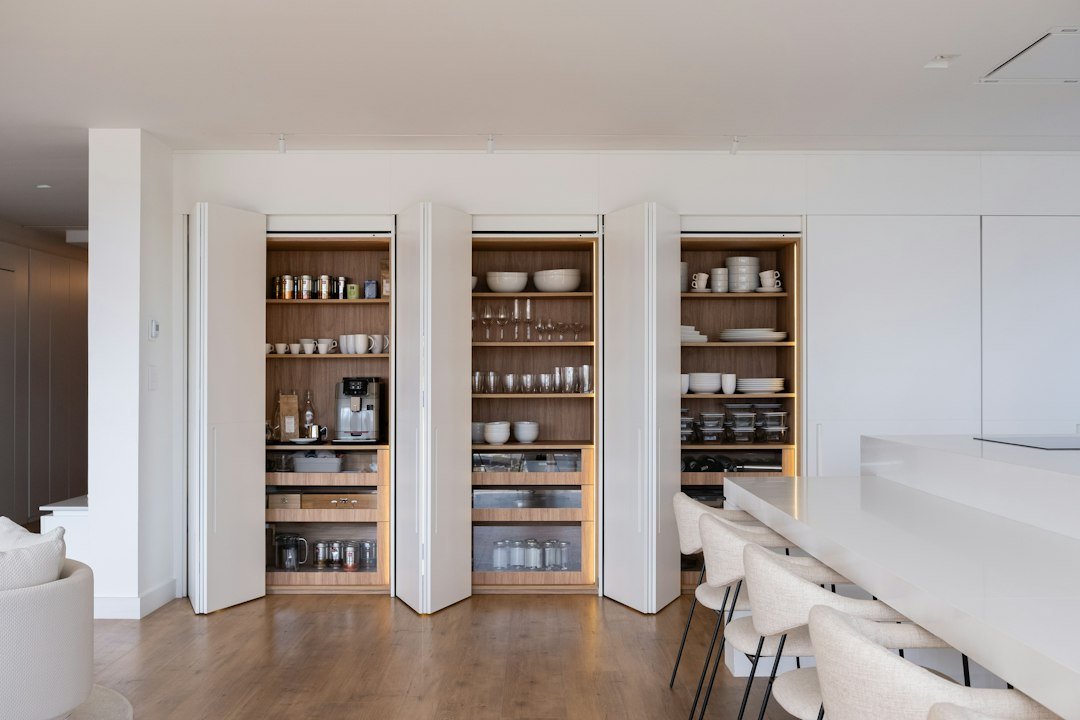
Cabinet pull-out or tiered insert — best if you want hidden, neat storage
Why choose it: Pull-outs maximize vertical cabinet space and present bottles in a single glance while keeping counters tidy. They work well in narrow base cabinets or shallow pantry spaces.
Trade-offs: You must measure interior width and depth carefully; some inserts need minimal clearance for the sliding mechanism. They’re less handy if you prefer seeing spices while cooking unless the cabinet is adjacent to your prep area.
Over-the-door organizer — best for renters and pantry doors
Why choose it: These require no tools and put spices at eye level on pantry or cabinet doors, freeing shelf space. They’re fast to install and can carry many bottles in a small footprint.
Trade-offs: Heavy racks may strain flimsy doors; check weight limits and door clearance so doors close properly. They also reveal your spices, so consider matching jars or labels for a neater look.
Tiered countertop rack — best when you have a small dedicated prep area
Why choose it: Easy access during cooking and often designed to display labels at an angle so you can read them without lifting jars. Compact tiered racks fit on narrow counter strips or next to the stove.
Trade-offs: Takes counter space and can collect grease near the stove unless placed slightly away. Choose a slim footprint and easy-to-clean materials.
Magnetic or wall-mounted systems — best for ultra-small counters and fast access
Why choose it: Magnetic tins or wall-mounted rails keep jars off counters and handy near the stove. They’re excellent if you can dedicate a small backsplash or side of the fridge.
Trade-offs: Limited capacity and requires a suitable vertical surface; magnetic tins are usually small and best for frequently used spices rather than bulk containers.
Drawer inserts and flat organizers — best for using drawer space efficiently
Why choose it: Organized drawers let you store many jars flat or at a slight angle for easy scanning. They keep spices dust-free and out of sight.
Trade-offs: You need a deep, accessible drawer and liners or separators to prevent rattling. Not ideal if your main cooking station isn't near the drawer location.
How to choose the right size and layout (quick checklist)
Decide capacity, bottle style and placement using this quick method:
- Count current bottles and add 20–30% for future purchases or duplicates.
- Measure the bottles you use most often (height and base diameter) — many racks assume standard 2–2.5" bases; specialty jars may not fit.
- Measure the space: cabinet interior, door thickness, drawer depth or available counter width and height.
- Match layout to workflow: near stove for cooking, near prep area for seasoning during prep, inside pantry for long-term storage.
Product suggestions for common small-kitchen needs
Below are recommended options tied to specific scenarios. Each follows the measurement and workflow rules above.
Best for saving cabinet space: cabinet pull-out insert
If you want spices hidden but instantly visible inside a narrow cabinet, a pull-out or tiered cabinet insert is usually the most efficient choice. Measure interior width and depth before buying.
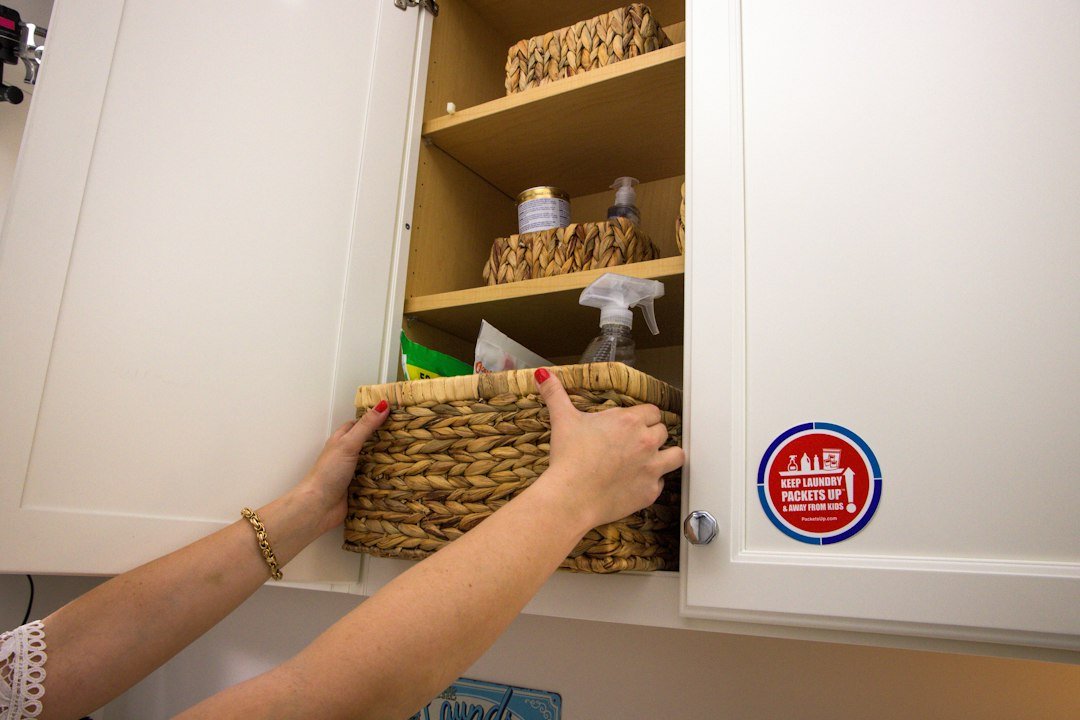
Best for renters and pantry doors: over-the-door organizer
For a no-drill quick solution that adds a lot of capacity, an over-the-door rack hangs on a pantry or cabinet door and gives immediate access. Check door width and closeability.
Best simple countertop option: compact tiered stand
When you have a narrow counter ledge or a small appliance-free strip, a slanted tiered rack keeps labels visible and is easy to clean.
Labeling, bottle choices and small details that make a rack work
Consistency matters: using a single jar type — or at least uniform lids — makes racks hold more jars neatly. Label placement (top vs. front) should match your chosen rack: top labels are best for flat drawer organizers; front labels are useful on tiered racks.
Materials matter: metal racks are durable but can rust near the stove if not stainless-coated; bamboo and wood look warmer but need dry environments. Slide mechanisms should be smooth — if testing in-store, pull fully extended to check wobble.
Installation and maintenance tips for lasting value
- Before purchase, measure twice: interior cabinet width, door thickness, drawer depth and counter clearance.
- When installing over-the-door racks, put protective felt pads between rack hooks and door surface to avoid paint scuffs.
- If using magnetic tins, ensure the surface is metal or attach a thin steel strip to the wall; periodically check magnets for slippage.
- Clean racks regularly — wipe grease off metal or wipe wood with a damp cloth and dry immediately to prevent warping.
When to upgrade or change systems
Switch systems if you replace most bottles with larger containers, move your main cooking station, or add a new appliance that takes the previous countertop space. Upgrading to a pull-out insert is often worthwhile when you remodel or gain a deeper cabinet.
- Measure your space (cabinet/drawer/door/counter) and typical jar size.
- Decide whether spices must be hidden or within arm’s reach of your stove.
- Choose bottle type (uniform jars save space) and label placement.
- Confirm weight and door-closure compatibility for over-the-door racks.
- Pick material suited to your kitchen humidity and cleaning habits.
- Plan for 20–30% extra capacity for future spices.
In a small kitchen, the best spice rack is the one that fits measured space and sits where you actually reach for spices during cooking. Prioritize visibility and ease of access, then pick a cabinet insert, over-the-door, countertop or magnetic solution that matches your workflow.
How many spice jars should a small spice rack hold?
Choose capacity based on your collection plus 20–30% headroom; many small racks hold 12–24 jars, which suits most home cooks.
Will over-the-door racks scratch my cabinet doors?
They can unless you use protective pads; check the rack’s hook design and add felt or rubber pads to avoid scuffs.
Are magnetic spice tins practical for cooking?
They’re great for frequently used spices and tight counters, but they have limited capacity and smaller tins may need frequent refills.
Can I fit a spice rack in a shallow cabinet?
Yes — choose a narrow tiered insert or a pull-out designed for shallow depths, and measure bottle diameters to ensure a snug fit.
Should I standardize my spice jars?
Standard jars save space and make any rack look cleaner and function better, especially in drawers or tight racks where uniform height and diameter reduce wasted space.