 Wishlist
Picture this: you open the fridge to find wilted herbs behind a mystery container and a half-empty jar at the back — but you also have a full cart of groceries coming in. You want more usable space and less thrown-away food. The quickest path is to make every item visible, store foods where they stay freshest, and adopt a few simple habits that prevent spoilage.
What you’ll end up with and why it matters
When you organize your refrigerator you’ll see everything at a glance, find ingredients faster, fit more items without crowding, and reduce waste because foods are used before they go bad. The method below treats your fridge like a small kitchen zone: defined storage areas, uniform containers for visibility, and repeatable routines.
Create clear storage zones (the foundation)
Assign each shelf or drawer a primary use so food never competes with the wrong neighbors.
- Top shelf: ready-to-eat foods — yogurt, leftovers, deli meats. These are safest where temperature is most stable.
- Middle shelves: drinks, prepared meals, and items you reach for daily.
- Lower shelves: raw protein and marinating meats — keep these on their own shelf or in a bin to prevent drips.
- Crisper drawers: separate one for fruit and one for vegetables; many produce types prefer different humidity settings.
- Door shelves: condiments, juice, and spreads — not the best place for milk or eggs because the temperature fluctuates more.
Clear bins and consistent containers: make space and visibility
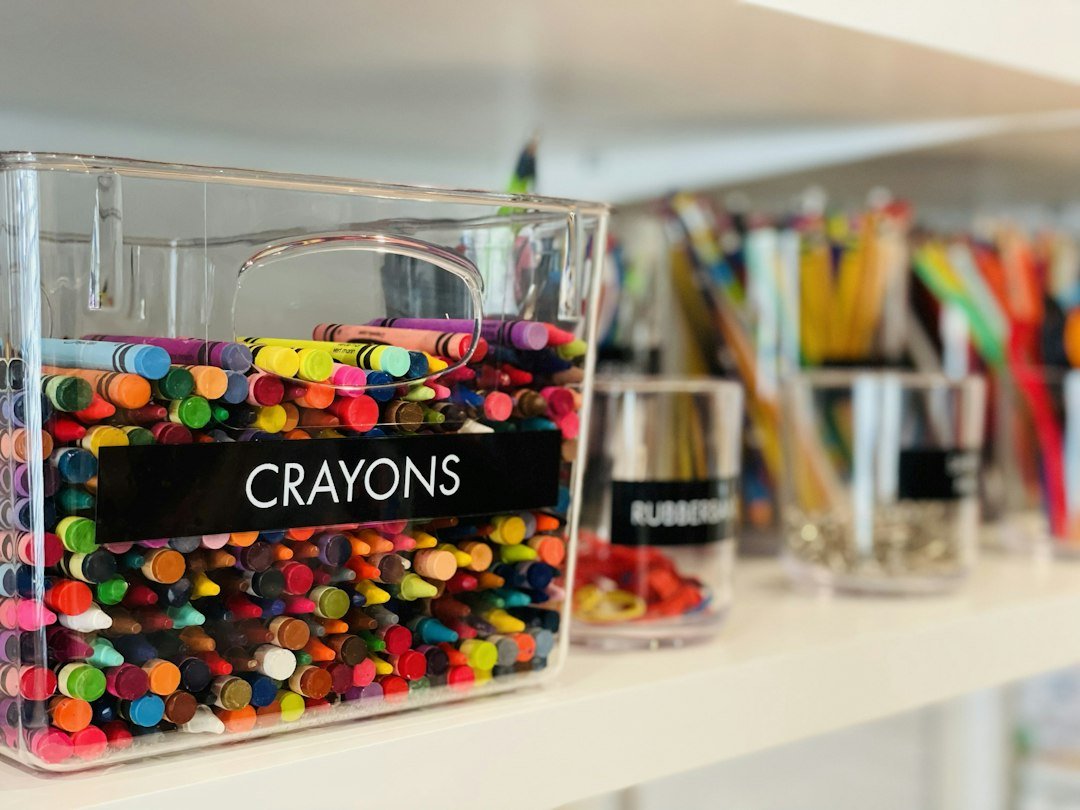
Use a few clear, shallow bins to corral small or loose items (yogurt cups, snack packs, cheese). They let you slide things forward and prevent items getting lost at the back.
Product pick: for a direct fridge solution, consider the MVOVM Refrigerator Organizer Bins (ID 3407) because they’re sized for typical shelves and clear for visibility.
Practical container rules:
- Standardize leftover containers (same shape/stackable) to use vertical space.
- Keep similar items together (breakfast items, snacks, sauces) so you open the fridge with a purpose.
- Reserve one shallow bin for “eat first” items — things near expiry that should be used within a few days.
Labeling and FIFO: small habits that cut waste
Label leftovers and opened packages with the date you stored them. For anything perishable, use the “first-in, first-out” rule: move newly bought items to the back and older items forward.
A quick labeling system: masking tape + permanent marker on containers, or a roll of writable stickers. Make this a two-second step when you put something away.
Produce: humidity, separation, and quick inspections
Produce is often the biggest source of food waste. Save it by matching humidity and storage style:
- High-humidity drawer: leafy greens, broccoli, cucumbers — store in perforated bags or wrapped lightly in a clean towel.
- Low-humidity drawer: apples, pears, stone fruit — these last longer with some air circulation.
- Keep ethylene producers (apples, tomatoes, bananas) away from ethylene-sensitive items like leafy greens and broccoli.
- Inspect produce weekly and move any softening items to the “use first” bin or plan a recipe to use them immediately.
Leftovers, open packages and delicate items
Leftovers: cool before sealing, use clear containers, and date them. If you can’t eat within 3–4 days, freeze portions instead of keeping them in the fridge.
Open packages (cheese, cured meats): place them in small airtight boxes or wrap tightly and label; grouping these in a dedicated deli bin keeps odors contained and saves space.
Temperature and safety checks that protect food life
Set your fridge to 35–38°F (1.5–3°C). Use a small fridge thermometer if your appliance doesn't display an accurate readout. Keep the fridge level and avoid overpacking, which blocks airflow and raises temperatures.
Weekly and shopping routines that prevent clutter
- Weekly scan: make a 90-second sweep to remove spoiled items and move “eat first” foods to the front.
- Shop with purpose: buy quantities you’ll realistically use before they expire; commit to using quick-cook recipes the night you buy perishable produce.
- Prep once: wash and portion vegetables, store them in clear containers so you see ready-to-eat options and are likelier to use them.
Troubleshooting common limitations
Small fridge? Prioritize shelf-clear bins and vertical stacking; move infrequently used condiments to a nearby pantry.
Shared household with differing habits? Assign a visible “community shelf” for shared items and a private shelf for each person’s foods to reduce accidental consumption and guilt.
Strong odors? Store pungent items in sealed containers and place an open box of baking soda on a rear shelf (replace every 3 months).
[h2]Quick decision to act now[/h2]If you make one practical choice today: buy two clear shallow bins and a roll of writable labels. Use the bins to make an “eat first” zone and label any opened foods this week — those two moves alone shrink waste and unclutter your shelves.
Next steps checklist, takeaway and FAQ
- Empty one shelf and wipe it clean — start small.
- Sort items into keep, toss, donate, and relocate piles.
- Buy two clear bins and writable labels if you don't have them.
- Set a fridge thermometer and check the temperature.
- Plan one meal this week to use “eat first” items.
An organized fridge is about visibility, appropriate storage zones, and tiny repeated habits: clear containers, labeled dates, and a weekly scan. Start with one shelf and one bin, and you’ll quickly free space and cut wasted food.
Where should I store milk and eggs?
Store milk on a middle shelf where temperature is stable, not in the door; eggs do best in their original carton on a shelf, not the door.
How long can leftovers stay in the fridge?
Most cooked leftovers are safe 3–4 days; label with the date and freeze portions you won’t eat in that window.
Can I store produce together in one crisper?
Separate produce by humidity preference and ethylene production—use two drawers if possible, or keep ethylene-producing fruit in a bin away from greens.
Do clear bins really save space?
Yes—clear, shallow bins group small items, allow sliding access, and make use of shelf depth so food doesn't hide at the back.
What if my fridge is too full after groceries?
Prioritize perishable items in the fridge; move pantry-stable goods to a shelf or counter and use stackable containers to reclaim vertical space.