 Wishlist
What really matters — and what you can ignore
Many pantry problems look similar: cluttered shelves, hard-to-find items, and expired food. The things that matter are visibility, accessibility, and a simple system you’ll actually maintain. You can safely ignore perfection—matching containers or a magazine-ready look—if the arrangement makes it easy to find what you use most, keeps food fresh, and reduces waste.
1. Stacking without thought — why visibility beats volume
Problem: Piling like items on top of one another so you can “fit more” hides older products behind newer ones.
Why it matters: Hidden items expire, you repurchase unnecessarily, and meal prep slows because you’re digging for basics.
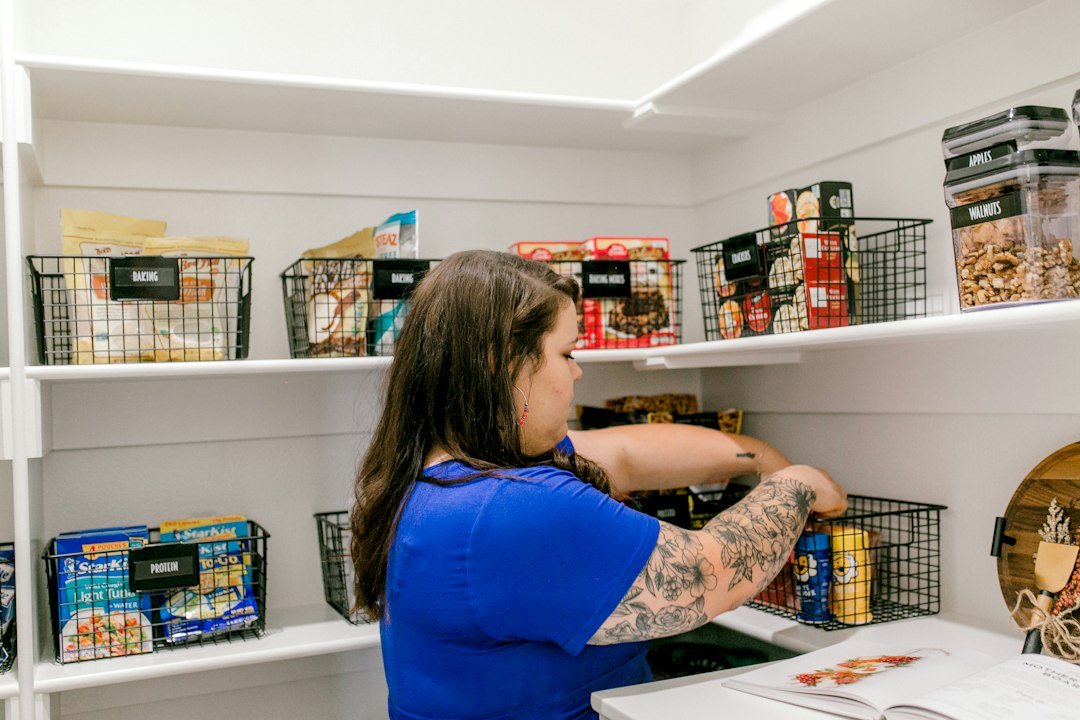
Better approach: Use front-facing organization—clear bins, tiered shelves for cans, or shallow baskets—so each item is visible. Arrange by use frequency: daily staples at eye level, occasional items higher up.
2. One-size-fits-all containers — stop forcing everything to match
Problem: Buying identical jars for everything and then finding awkward gaps or wasted space.
Why it matters: Poorly sized containers either waste shelf space or encourage you to cram items, defeating organization.
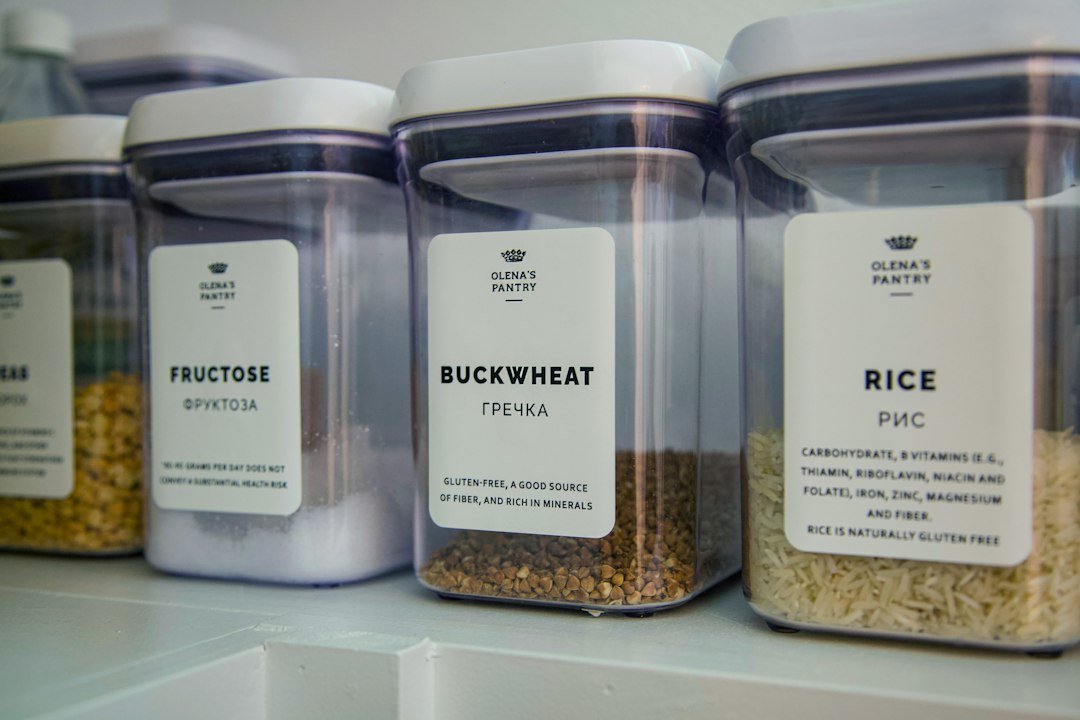
Better approach: Measure shelf heights and choose a mix—tall jars for pasta, wide shallow bins for snacks, stacking bins for small packets. Clear containers help, but prioritize fit over aesthetics.
3. No zones — everything is mixed together
Problem: Baking goods, canned soups, snacks, and bulk staples are scattered across shelves.
Why it matters: Mixed categories make shopping lists and meal prep slower and increase the chance of duplicate purchases.
Better approach: Create functional zones: baking, breakfast, snacks, canned goods, beverages. Keep related tools (measuring cups, scoops) with the zone they serve. Use labels to enforce the system for everyone in the household.
4. Skipping a visible inventory — guessing leads to waste
Problem: Relying on memory to know what’s left, then discovering expired food or buying doubles.
Why it matters: Every duplicate purchase costs money and adds clutter.
Better approach: Keep a simple inventory list taped to the pantry door or use a magnet-backed dry-erase sheet. For frequent items, write counts (e.g., rice: 2 bags). An updated list reduces pantry trips and impulse buys.
5. Letting expiration dates hide — rotate like a pro
Problem: New purchases placed in front of old ones—old jars fade into the back.
Why it matters: Expired or stale food increases waste and can affect health or taste.
Better approach: Adopt FIFO (first in, first out): place new items behind older ones. For bulk or refill containers, mark the refill date with a removable sticker so you can track freshness.
6. Ignoring shelf depth — don’t waste back zones
Problem: Deep shelves leave small items lost at the back while the front sits cluttered.
Why it matters: Hard-to-reach back items get forgotten, creating hidden clutter and lost value.
Better approach: Use pull-out baskets or tiered risers. Reserve back-of-shelf space for seldom-used bulk items or appliances, and keep everyday items within easy reach.
7. Poorly arranged spices and small items — make tiny things work harder
Problem: Spices, packets, and small jars scattered or tipped over.
Why it matters: Small items create micro-clutter that makes the pantry appear messy and slows cooking.
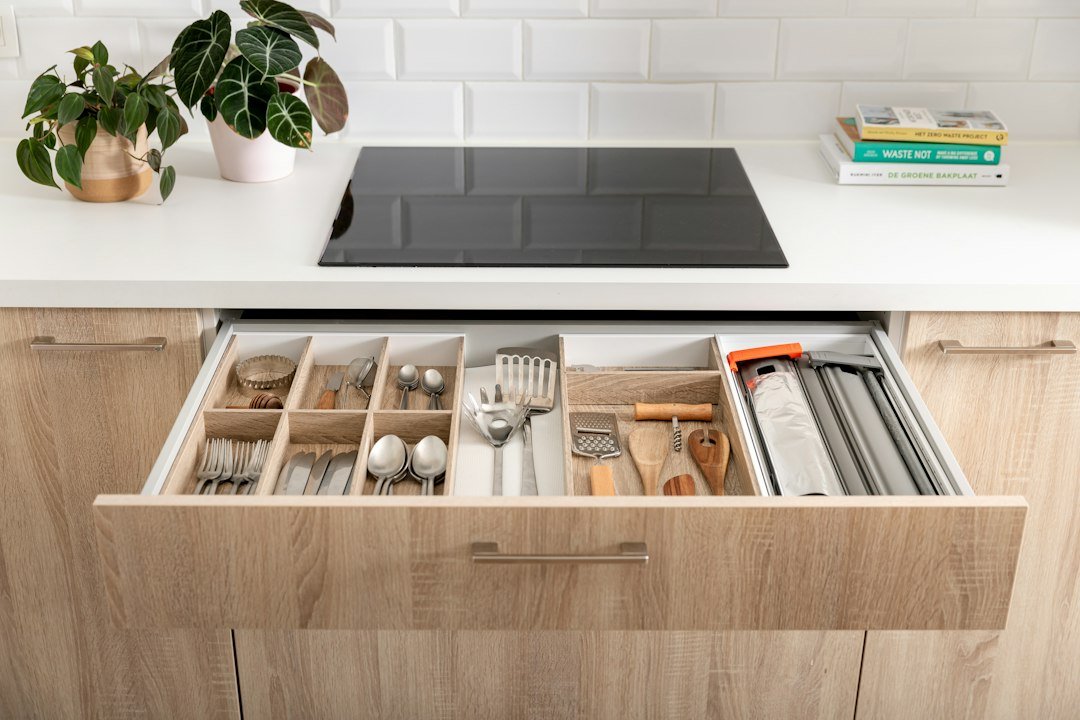
Better approach: Use a dedicated spice rack or a spice drawer insert; group single-serve packets in a labeled bin. Transparent vertical storage or tiered inserts increases capacity and keeps labels readable.
8. Overlooking snack organization — control the chaos
Problem: Open snack bags or mixed children’s packages everywhere.
Why it matters: Ripped bags, wasted snacks, and arguments over “where things go” are common consequences.
Better approach: Assign a low, reachable shelf for snacks in clear bins or a snack basket with dividers. Use portioned containers for school-ready grab-and-go snacks to maintain order and visibility.
9. Forgetting to measure before buying organizers
Problem: Purchasing organizers that don’t fit shelves, wedge awkwardly, or block doors.
Why it matters: Ill-fitting organizers sit unused or make the pantry harder to use—wasted time and money.
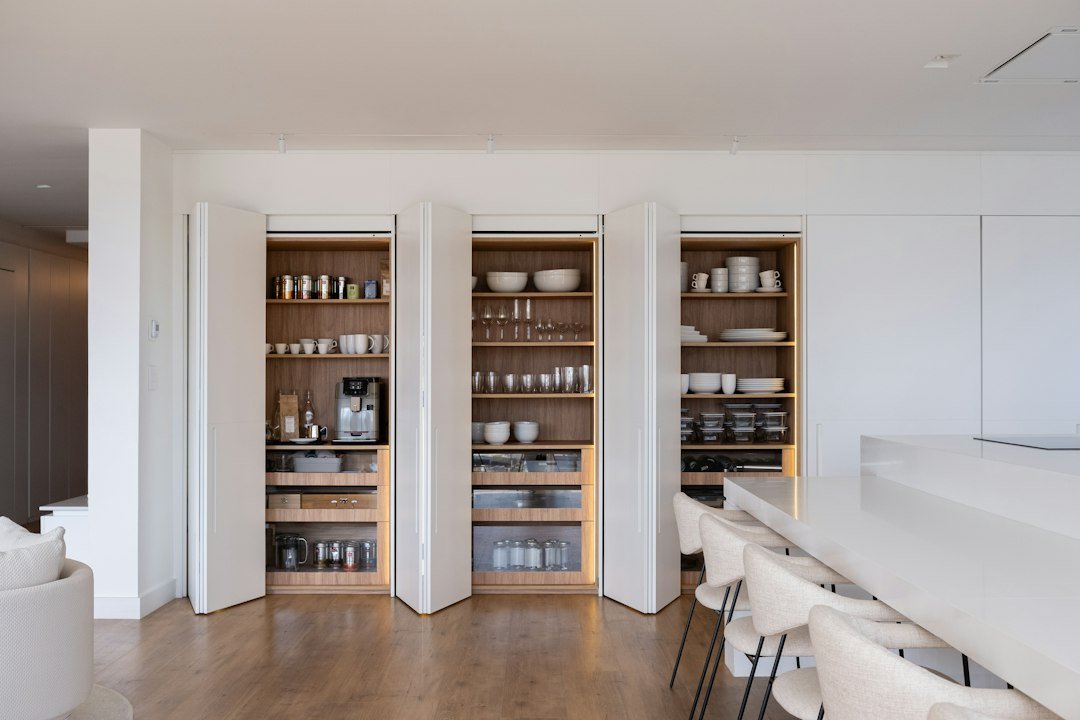
Better approach: Measure shelf width, depth, and door clearances. Consider adjustable or modular organizers. If you need an over-the-door solution, confirm your door’s width and hinge style before buying.
Product note: For doors where space is tight but vertical access helps, an over-the-door pantry rack is a practical fix—just measure first.
10. Treating organization as a one-time project
Problem: Doing a big sort once and expecting it to last forever.
Why it matters: Habits, shopping patterns, and family members change; without periodic maintenance, the system degrades.
Better approach: Schedule a 10–15 minute weekly tidy and a quarterly audit to check expirations and adjust zones. Short, regular maintenance is far more effective than occasional overhauls.
- Measure shelf width, depth and door clearance before buying organizers.
- Create clear zones for staples, baking, snacks, and canned goods.
- Use clear or labeled bins for visibility and FIFO rotation.
- Keep frequently used items at eye level and snacks low for kids.
- Maintain a door inventory or list to prevent duplicates.
- Schedule a 10–15 minute weekly tidy and quarterly audit.
Fixing pantry organization is less about perfect containers and more about consistent visibility and sensible zones. Invest a little time measuring and labeling, add a couple of well-fitting organizers, and commit to short regular maintenance to keep it working.
How often should I clean out my pantry?
Do a quick weekly tidy for spills and misplaced items, and a full audit every 3–4 months to check expirations and reorganize zones.
Are clear containers necessary?
Clear containers help with visibility but are not required—fit and labeling are more important. Use opaque bins for bulk items if they fit better.
What’s the best way to store bulk dry goods?
Use airtight containers sized to shelf space, label contents and purchase dates, and place new refills behind existing supplies for FIFO rotation.
How can I organize a small pantry without built-ins?
Maximize vertical space with risers, stackable bins, and an over-the-door rack; create zones and keep everyday items at reachable heights.
Which items should be kept outside the pantry?
Items that need refrigeration after opening (e.g., some condiments), heat-sensitive items that can go stale (e.g., chocolate), or large appliances that don’t fit should be stored elsewhere.