 Wishlist
Most home cooks don’t need every trendy gadget. What matters is a small set of reliable, practical kitchen tools that actually shorten cook time, reduce waste and make cleanup easier. Below are 11 items I recommend keeping within reach, why each helps, and when it’s optional.
Quick answer: 11 practical kitchen tools worth owning
Measuring cups and spoons; a sharp chef’s knife; a sturdy cutting board; a vegetable peeler; a silicone spatula; a set of heat-resistant silicone utensils; a microplane or fine grater; a digital kitchen timer; a colander or strainer (collapsible if space is tight); nested mixing bowls; and a reliable tongs. These tools cover most everyday tasks cleanly and efficiently.
Why these tools? Practical uses and trade-offs
Each selection targets a frequent friction point in the kitchen: measuring, cutting, stirring, timing, draining and finishing. Below I unpack each tool, how it helps, and one note on when you can skip or substitute it.
1. Measuring cups and spoons
When recipes call for precision—baking or dressings—good measuring cups and spoons prevent inconsistent results. Choose metal or rigid plastic sets with clear markings; they last and don’t absorb odors. Skip specialty scales only if you never bake and always eyeball liquids.
2. Sharp chef’s knife
A single, well-fitted chef’s knife replaces half your drawer. It speeds prep, improves safety and gives cleaner cuts for better presentation and faster cooking. Keep it honed; a dull knife is more dangerous than a sharp one. If storage is tight, a magnetic strip saves drawer space.
3. Sturdy cutting board
Wood or durable plastic boards that won’t slip under the knife protect both your blade and countertops. Use separate boards for raw meat and produce when possible. Lightweight bamboo boards are fine for small kitchens but avoid extremely thin boards that warp.
4. Vegetable peeler
Simple, fast and drastically less wasteful than a knife for carrots, potatoes and apples. A Y-peeler is comfortable for many; a swivel peeler handles odd shapes. You can skip if you only buy pre-peeled produce, but keep one if you prep a lot of vegetables.
5. Silicone spatula
Flexible enough to scrape bowls clean and heat-resistant for scraping sauces in pans. It reduces waste (every last bit of batter or sauce) and simplifies cleanup. A metal spatula is useful for flips, but silicone is a better all-rounder for most cooks.
6. Heat-resistant silicone utensil set
Having a spoon, slotted spoon and flexible spoon in silicone protects nonstick pans and stands up to stovetop heat. A compact set replaces mismatched wooden spoons that can splinter. If you own only cast iron and metal pans, you could opt for metal tools instead.
7. Microplane or fine grater
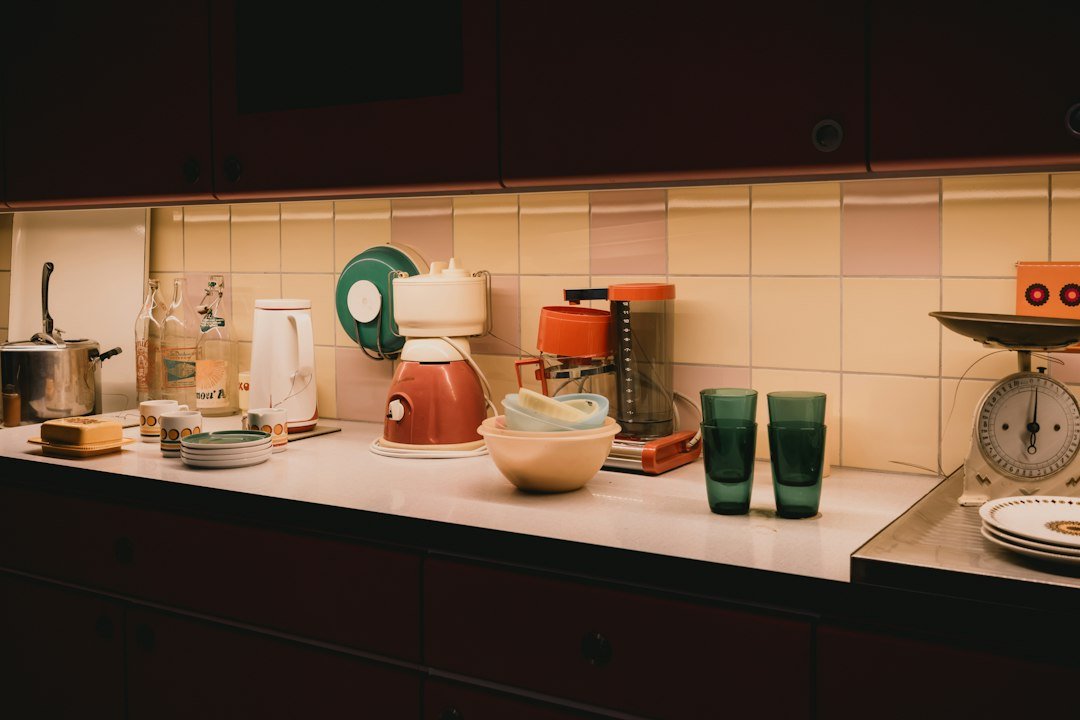
For zest, hard cheese, garlic and ginger, a microplane adds concentration of flavor with minimal effort. It’s tiny but makes finishing dishes simpler and more professional. Larger box graters are fine for bulk grating but don’t match the finesse of a microplane.
8. Digital kitchen timer
Using a reliable timer prevents overcooking and frees you to multitask. Phone timers work, but a dedicated digital timer is easier to glance at when your hands are messy and usually louder. Consider one with multiple presets if you cook several items at once.
9. Colander or strainer (collapsible option)
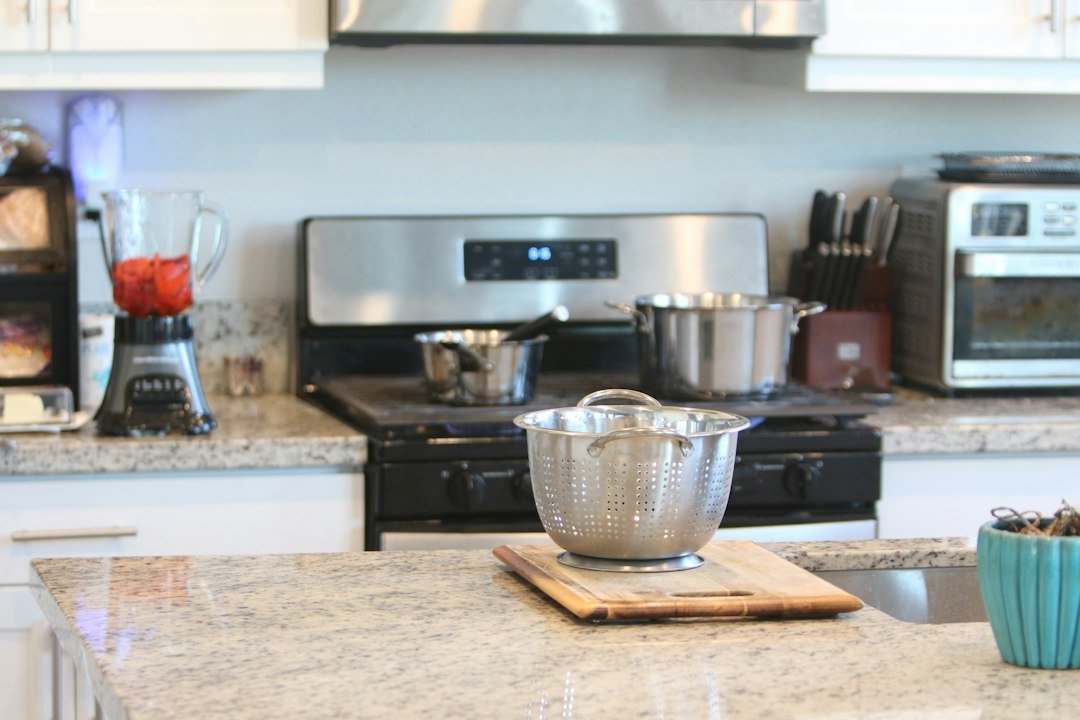
For pasta, rinsing grains, draining canned beans and washing produce—an appropriately sized colander is indispensable. Collapsible silicone models save cabinet space without sacrificing function. If you only cook rice and rarely drain pasta, a small mesh strainer may suffice.
10. Nested mixing bowls
A set of nesting bowls in different sizes streamlines mixing, marinating and staging ingredients. Stainless steel is lightweight and doesn’t retain odors; glass bowls double as serving dishes. If minimalism is a priority, two sizes—a medium and a large—cover most tasks.
11. Reliable tongs
Tongs give control for flipping, tossing salads and retrieving items from hot pans—often safer and cleaner than forks or spatulas. Choose a pair with a locking mechanism and silicone tips to protect nonstick cookware. If you only use a spatula, a long pair of tongs is still worth adding later.
When a tool becomes clutter: quick rules for buying
- Buy once, buy well: inexpensive tools that break quickly become junk. Prioritize durability for knives, graters and measuring sets.
- Match the tool to your cooking style: bake more? Prioritize measuring equipment. Pan-heavy stovetop cooking? Invest in tongs and heat-resistant utensils.
- Test before committing: small, inexpensive versions of odd tools (mandoline, immersion blender) can reveal whether you’ll use them enough to justify the space.
One practical store recommendation
If you want a single purchase that upgrades several basic needs at once, consider a comprehensive silicone utensil set that includes a spatula, slotted spoon, ladle and tongs—heat-resistant and safe for nonstick pans. It covers stirring, scraping and serving without cluttering drawers.
Simple care tips so these tools last
- Hand-wash knives and wooden boards; air-dry to prevent warping.
- Hone knives regularly and sharpen only when necessary.
- Dry metal measuring cups to avoid rust; store nested to save space.
- Silicone utensils are mostly dishwasher-safe—check the manufacturer—but avoid high-heat exposure above rated temperatures.
- Do I have one good chef’s knife and a honing steel available?
- Are measuring cups and spoons easy to reach for baking and dressings?
- Is there a heat-resistant spatula and a set of silicone utensils for nonstick pans?
- Do I own a microplane or grater for finishing flavors?
- Is there a reliable timer within earshot of the stove?
A small set of durable, multi-purpose tools covers most everyday cooking tasks—measure, cut, stir, time and drain. Start with the essentials (knife, measuring set, spatula, tongs) and add single-purpose tools only when you use them regularly.
Can I rely on phone timers instead of a dedicated kitchen timer?
Yes, phone timers work in a pinch, but a standalone digital timer is easier to see and operate when your hands are messy and often has louder alerts and multiple preset options.
Are silicone utensils safe for all cookware?
High-quality silicone utensils are safe for nonstick and most coated pans; check heat-resistance ratings for high-heat tasks and avoid using on direct flame.
Do I need both a microplane and a box grater?
Not necessarily. A microplane is best for fine zest and hard cheeses; a box grater handles larger volumes. Choose based on whether you frequently finish dishes with fine grating.
How many mixing bowls do I really need?
Two to three nested bowls (small, medium, large) cover most needs; add one or two specialty bowls only if you regularly marinate large amounts or bake in multiple stages.