 Wishlist
Immediate takeaway: Clear counters start with zones, containment and a 2-minute daily reset
The fastest route to a clutter-free kitchen counter is to (1) decide which items must live on the counter, (2) group those items into functional zones, and (3) contain each zone with a designated tray, rack, or bin. Follow the ten ideas below—mix quick wins (clear a single hotspot) with longer fixes (add under-cabinet hooks or an appliance garage) to keep counters usable every day.
1. Create three practical counter zones
Pick a clear prep zone, a coffee/beverage zone, and a landing zone near the door. Limiting to three keeps things simple: prep needs cutting boards, knives and a small container for frequently used utensils; beverage needs the coffee maker, mugs and a small canister for coffee; landing holds mail, keys and chargers in a shallow tray. When something doesn’t belong to any zone, put it away.
2. Contain with trays and shallow bins
Trays make clutter look intentional and keep crumbs or spills contained. Use a rectangular tray for the coffee station, a wooden board under the knife block, and a small metal tray for mail and keys. Choose shallow trays so items don’t hide and are easy to clear for cleaning.
3. Use vertical organizers to free surface area
Vertical storage reclaims horizontal space—think a standing knife block, a vertical plate rack for cutting boards, or a tiered spice carousel. If you have a narrow counter, a 2-tier rack for frequently used bowls and mugs can cut clutter by half.
4. Install under‑cabinet solutions
Under-cabinet hooks and racks shift things off the counter without altering cabinet interiors. Hang a paper-towel holder, a mug rack, or a small spice rail beneath upper cabinets to free valuable countertop inches.

5. Build an appliance garage for bulky items
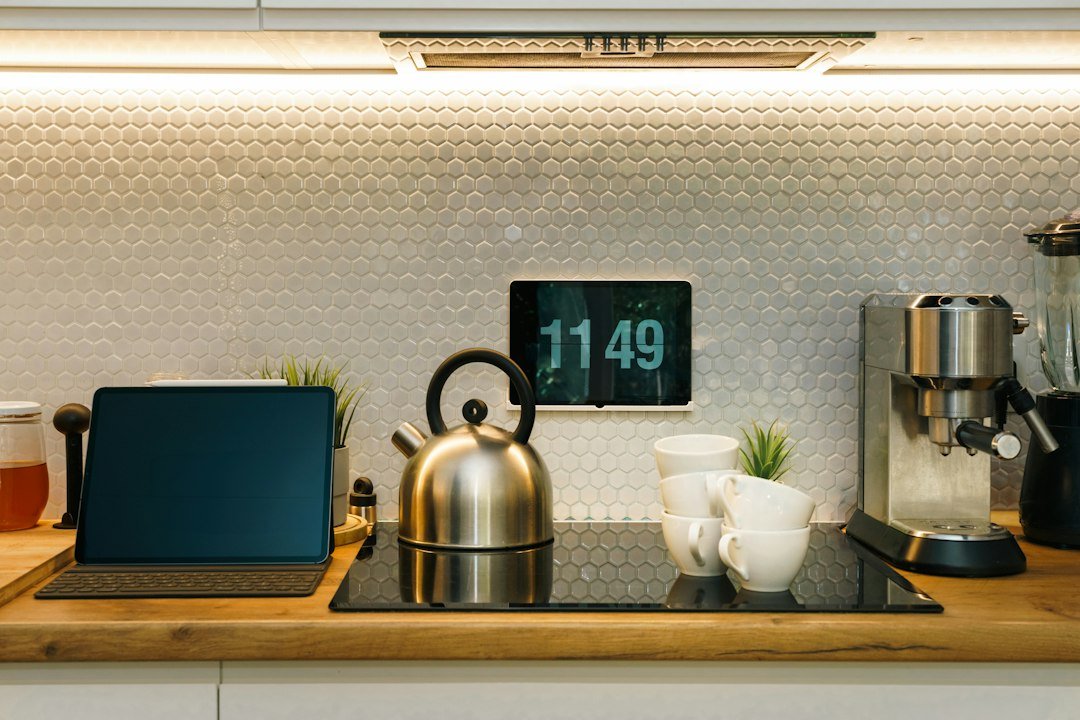
Toasters, blenders, and espresso machines take up visual and functional space. An appliance garage—either a roll-up tambour door or a shallow cabinet with a front—lets you keep them plugged in but out of sight. If a built-in garage isn’t possible, use a slim cart on casters that nests beside the counter.
6. Prioritize daily-use items; store seasonal extras
Keep only what you use every week on the counter. Special-batch mixers, holiday cookie tins, and rarely used gadgets belong in a pantry or high cabinet. Rotate items seasonally to avoid accidental hoarding on the surface.
7. Add a compact charging station to tame cords
Electronics and chargers write the story of clutter. Use a small docking box or a shallow drawer insert by the landing zone to hold phones and chargers. If outlets are scarce, a single multiport USB charger mounted inside a lower cabinet can hide cables entirely.
8. Choose smart containers for food and produce
Loose fruit and open packages attract clutter. Replace multiple bags and boxes with a single clear canister for frequently used staples (sugar, flour) and a low-profile fruit bowl for the day’s fruit. Label canisters and keep them at consistent capacities to avoid overflow.
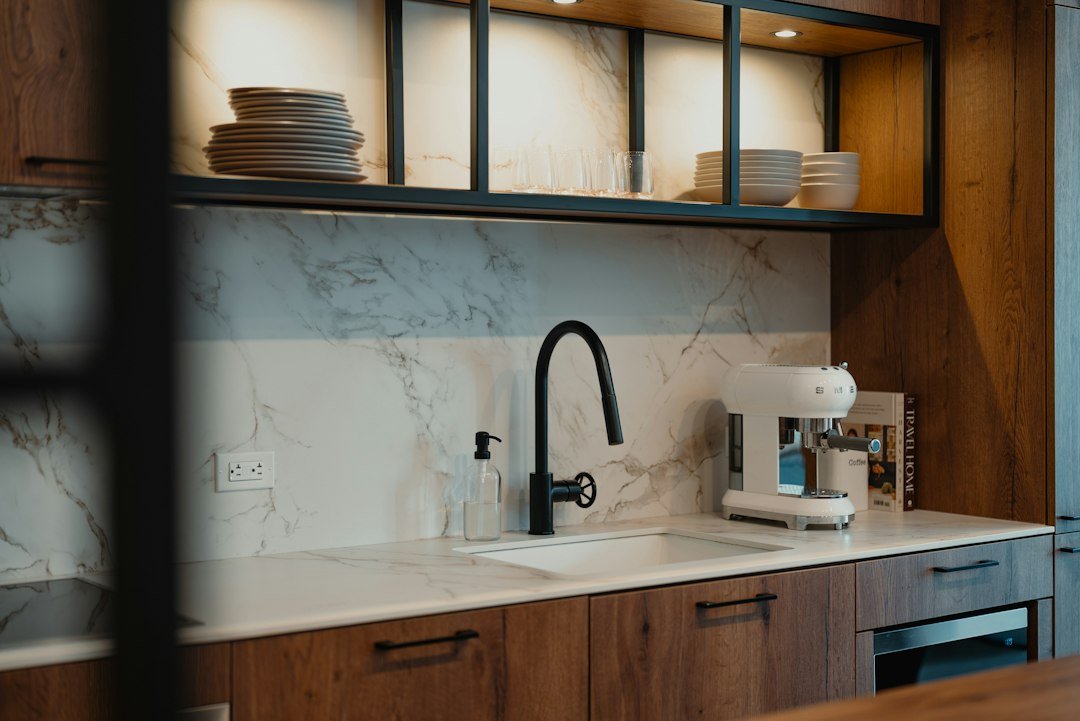
9. Use drawer inserts and narrow shelves for counter-adjacent storage
If countertop items are there because you have nowhere else, add slim shelving inside nearby cabinets or use deep drawer inserts. Move spatulas, measuring spoons and wraps into a drawer with a bamboo organizer to dramatically clear the prep zone. For more, see our guide on organizing kitchen drawers step by step.
10. Adopt a daily 2-minute reset and a weekly 10-minute sweep
The best hardware fails without a habit. Each evening, spend two minutes returning out-of-place items to their zones or put them away. Once a week, sweep the counter: empty trays, wipe surfaces and check for one-off items that should be stored or donated. Small regular actions prevent the need for big purges.
When to buy a product: a quick recommendation
If an appliance or bulky cookware is the main source of clutter, an under-counter or counter-top organizer can be a high-value fix. For a ready-made countertop storage option that fits small kitchens, consider a stable 2-tier organizer that stacks mugs, spices, or small appliances.
Quick layout examples to copy
- Small apartment: Coffee zone left by the kettle, prep zone near the stove, landing zone by the entrance—use two trays and a single vertical knife block.
- Family kitchen: Dedicated toaster garage near the breakfast area, large shallow mail tray in landing zone, fruit bowl centralized for easy access.
- Frequent cooks: Expandable counter extension or butcher block on casters stored under island—pull out only during prep.
Trade-offs and realistic expectations
Not every counter can be empty—function matters. If you need an always-plugged coffee maker, design a small attractive beverage zone rather than forcing it into a cabinet. Likewise, minimalism can be impractical in family kitchens: prioritize surfaces where you need quick access and hide the rest.
Related reading
For more small-kitchen ideas and pantry organization that reduce countertop pressure, see 12 Smart Storage Ideas for Small Kitchens and How to Organize a Pantry for Easy Everyday Use.
- Identify which three zones you need (prep, beverage, landing).
- Choose trays or shallow bins for each zone and commit to using them.
- Remove or relocate one rarely used appliance or tool this week.
- Install one under-cabinet hook or rack to free counter space.
- Set a nightly 2-minute reset alarm for one week to build the habit.
Focus on zones, containment and a short daily habit: keep only what you use often on counters, group items into functional clusters, and give each cluster a container. Small investments—trays, vertical racks, or an appliance garage—paired with a daily reset deliver lasting clutter control.
How do I decide what stays on the counter?
Keep items you use several times per week and that are hard to store elsewhere; everything else goes in cabinets or the pantry. Prioritize access and aesthetics for items that remain.
Will trays and bins make my kitchen look smaller?
No—well-chosen trays create visual order. Use low-profile, neutral trays that match your countertops to avoid adding visual weight.
Are appliance garages worth it in a rental kitchen?
Yes—portable solutions like a slim rolling cart or a counter-top box with a roll-up door give the same benefit without permanent installation.
How can I hide charging cords on the counter?
Use a shallow docking tray or place a multiport charger inside a nearby cabinet or drawer with a cable pass-through; keep only the short charging cable visible.
What’s the quickest habit to keep counters tidy?
The nightly 2-minute reset: return stray items to their homes, wipe a small area, and consolidate loose papers into the landing tray.