 Wishlist
What you’ll have: a small kitchen organized so it feels larger and works better
Most people assume a small kitchen needs fewer items; the overlooked detail is that it often needs smarter placement. A kitchen that feels spacious combines fewer visible items, vertical storage, and easy-to-access groupings—so cooking is faster and the room reads as open.
Assess what must stay, then clear visible surfaces
Start by removing everything from counters and open shelves. Keep only items you use daily (coffee maker, dish rack or a cutting board). Put everything else into boxes labeled Keep, Donate and Store. This immediate step makes the room look larger and shows which storage gaps matter most.
Decision rule for counters
If you use it at least three times a week, it can stay on the counter; otherwise, store it. For seasonal or occasional items, pick one accessible cabinet or a rolling cart.
Use vertical and inside-the-door space to reclaim floor and counter area
Vertical storage multiplies usable area without remodeling. Install a magnetic knife strip, rails for utensils, and narrow wall shelves for spices or oils. Inside cabinet doors are perfect for measuring cups, spice racks, or pot lids—these hide clutter while staying accessible.
Group like items and place them by task zones
Create zones: prep, cooking, dishes and pantry. Put frequently used prep tools near the counter space you use for chopping; keep pots and pans near the stove; dishware and glasses close to the sink or dishwasher. Grouping reduces movement and lets you store more logically—stacked mixing bowls with lids, nested measuring cups and trays all occupy less space.
Fit organizers to the cabinet before you buy
Measure cabinet widths, depths and door clearance. Choose organizers that match those dimensions so you avoid wasted gaps. For deep cabinets, a tiered shelf or a pots-and-pans organizer keeps stacks accessible and upright.
A practical product option for people with crowded lower cabinets is a pots-and-pans organizer that fits under the cabinet or inside deep drawers. It helps separate lids and pans and stops toppling stacks.
Make the most of narrow and awkward gaps
Small gaps—between fridge and wall or beside a pantry—are ideal for slim pull-out carts that hold oils, snacks or baking sheets. These take up lost space without narrowing pathways. Also consider over-the-door racks for the pantry or an over-the-sink drying rack to free counter area.
Optimize drawers: divide, shallow-store, and declutter
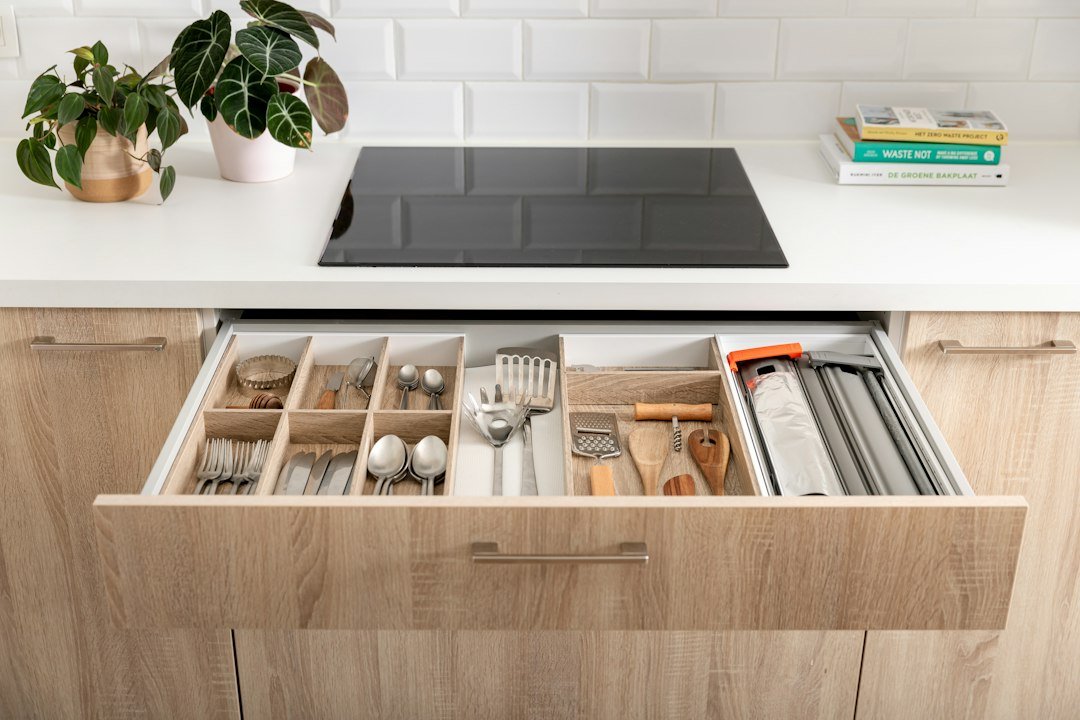
Shallow drawers are ideal for utensils and frequently used tools. Use bamboo or plastic dividers to create dedicated slots, and reserve one drawer for wrapping and storage supplies. For deep drawers, use tray inserts that stack vertically so you can see every item without digging.
Under-sink: simplify and protect with pull-outs
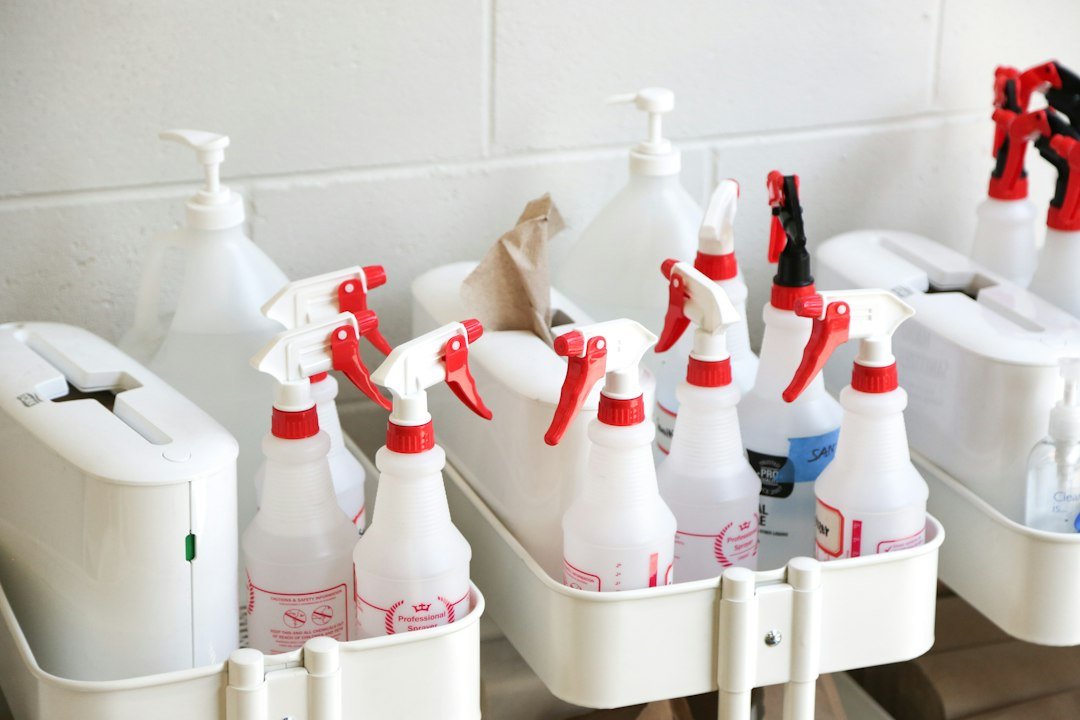
Under-sink areas are often wasted because of plumbing. A pull-out organizer or sliding shelf lets you store cleaning supplies, sponges and trash bags without crawling on the floor. Keep liquids grouped and put heavier items at the back.
Choose visual consistency to make the room read larger
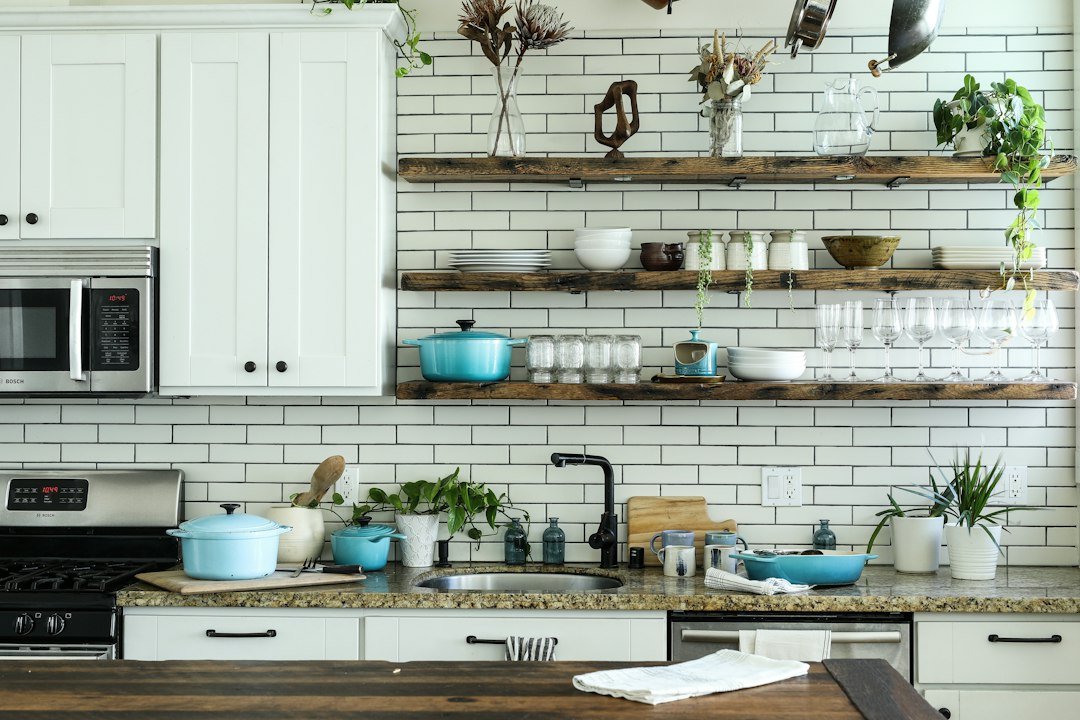
When open shelves are necessary, keep containers consistent—same jars for dry goods, matching labels, and similar tones for baskets. Visual uniformity reduces visual clutter, making the space feel calmer and larger. For cabinets, use clear bins for small items so you can see contents without opening each box.
Light, reflective surfaces and small-scale patterns increase perceived space
Bright paint, under-cabinet lighting and reflective backsplashes bounce light and visually expand the room. If repainting isn’t an option, add LED strip lights under upper cabinets and choose light-toned or glass-fronted containers on shelves.
Keep daily upkeep quick—set small routines
Spend five minutes nightly to clear the counters, put items back in their zones and wipe surfaces. A small routine prevents small kitchens from slowly slipping back into chaos; consistency matters more than a big clean every month.
Troubleshooting and adaptations
- If you lack wall space, prioritize inside-door storage and stackable inserts inside deep cabinets.
- If you share the kitchen with another cook, double-up on task zones—two small prep stations rather than one crowded center.
- Short on budget? Start with decluttering, magnetic strips and inexpensive drawer dividers before investing in custom solutions.
- Clear all counters and identify items used 3+ times/week
- Measure cabinets and door clearances before buying organizers
- Install vertical storage: magnetic strip, rails or narrow shelves
- Add one pull-out (under-sink or slim cart) for hidden accessibility
- Use matching containers on open shelves for visual calm
A small kitchen becomes more spacious by reducing visible clutter, using vertical and inside-door space, and choosing organizers that match real cabinet dimensions. Small daily habits keep the payoff lasting.
How can I make a tiny kitchen look bigger without renovating?
Remove counter clutter, add under-cabinet lighting, use consistent containers on open shelves and install narrow vertical storage to increase perceived space without construction.
What’s the best place for a pots and pans organizer?
Near the stove in a lower cabinet or drawer so pans are easy to reach while cooking; measure depth and height first to choose a fitting organizer.
Are open shelves a good idea in a small kitchen?
They can be, if you limit what’s on display and use uniform containers; otherwise closed cabinets reduce visual clutter more effectively.
How do I decide what stays on the counter?
Keep only items you use multiple times per week on counters; store the rest in accessible cabinets or a rolling cart.