 Wishlist
Start by imagining the final result: a home where every room has a clear purpose and only the things that belong there
You come in after a long day and the entryway has a pile of mail, kids’ backpacks, and one lonely shoe—again. That small daily friction is what room-by-room decluttering fixes. Declutter your home so each space functions without visual noise: counters free for tasks, closets that hold only wearable items, and a living room you can relax in immediately.
Work in a practical order: the fastest wins first, then the high-impact zones
Use this sequence: entryway → kitchen → living room → bedroom → bathroom → home office → laundry → closets/storage areas → garage/basement. Early wins (entryway, kitchen) reduce daily friction and motivate you to continue; dedicated storage areas last.
Common rules to use in every room
- One-touch rule for decisions: pick up an item and decide immediately—put away, donate/sell, recycle, or trash.
- Keep only what matches the room’s purpose. If an item belongs elsewhere, move it now or put it in a “relocate” box to deal with later.
- Use time limits: 15–45 minutes per room in an initial pass; longer only for closets and garage.
- Containers are for containment, not a way to hide clutter—label and limit container count.
Entryway: clear the touchdown zone in 20 minutes
Remove everything from the floor and flat surfaces. Create three piles: daily use (coats, keys, shoes), relocate, and donate. Add a small tray or hook for essentials and a basket for quick shoe storage. If you regularly get a mail pile, set a shallow magazine holder for incoming papers and a shred/recycle box nearby.
Kitchen: clear counters, tame the cabinets
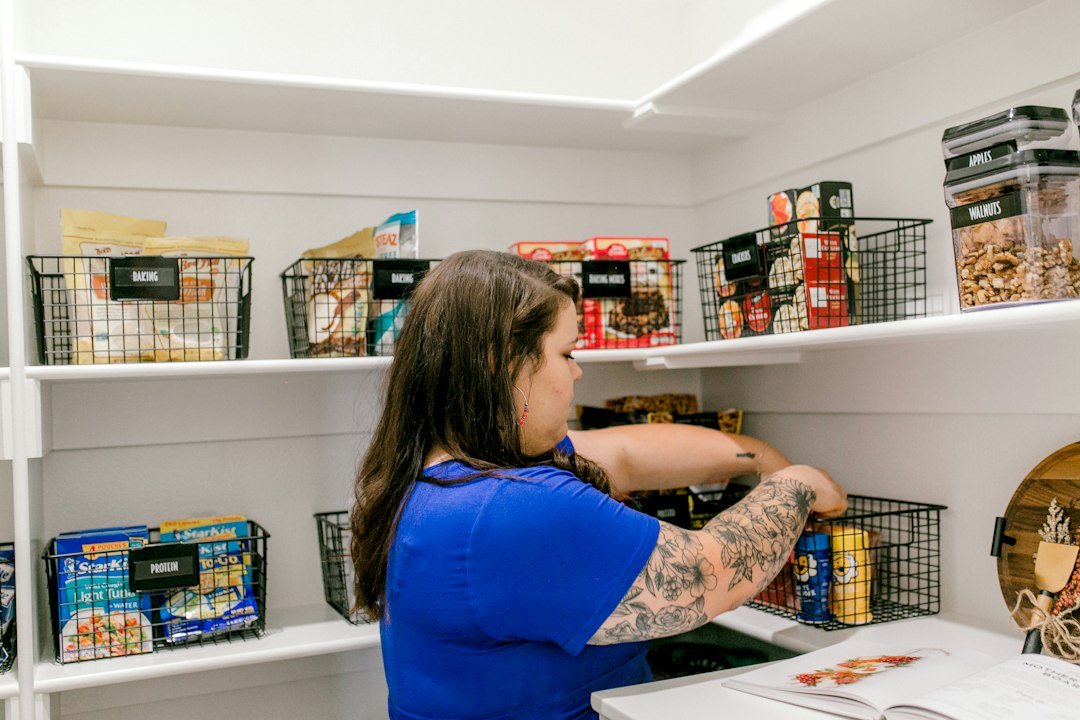
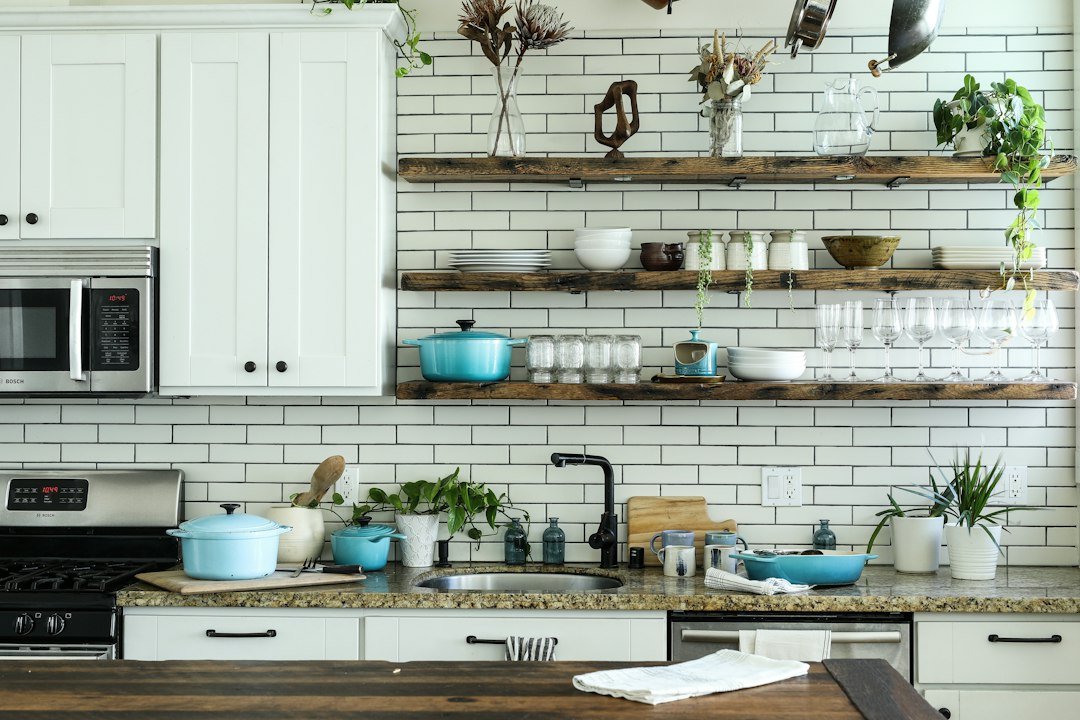
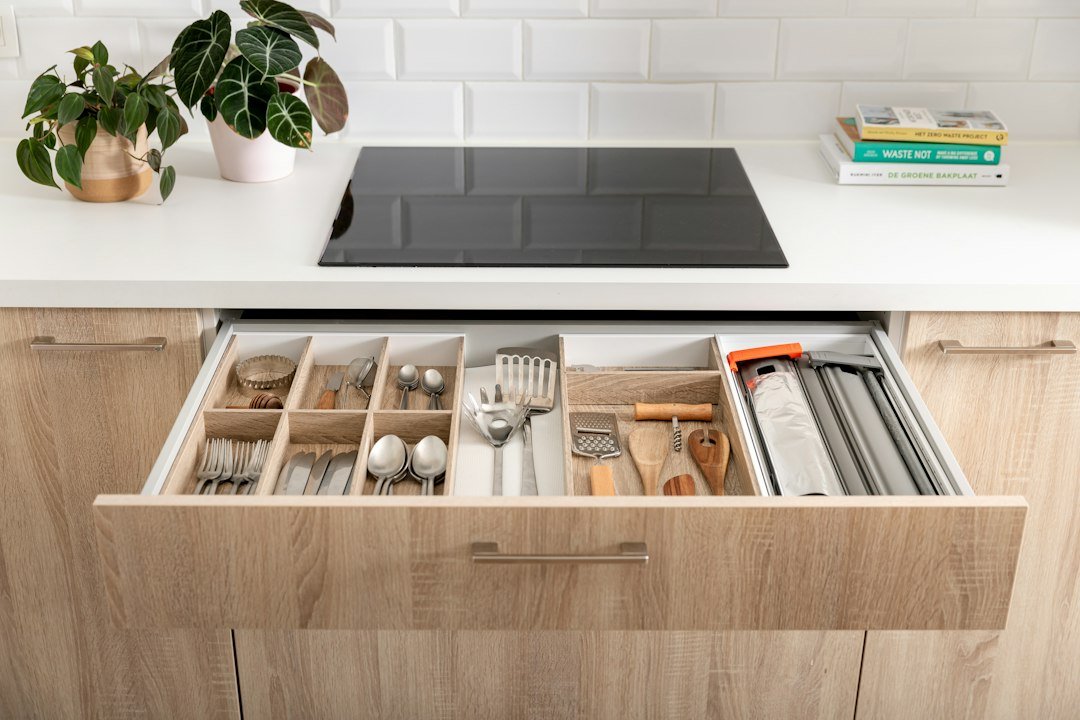
Goal: countertops should have only functional items you use daily (coffee maker, knife block). Empty one drawer or cabinet at a time. Pull everything out, test for freshness/utility, and only return what you use at least monthly. Group like with like: baking, prep, appliances. For rarely used appliances, store them in a labeled bin or donate.
Small appliance overload? If you don’t use it in the last 12 months, mark it for donate/sell. Keep a clear “overflow” bin on a high shelf for seasonal items—not a permanent hiding spot.
Living room: make surfaces relaxing and storage intentional
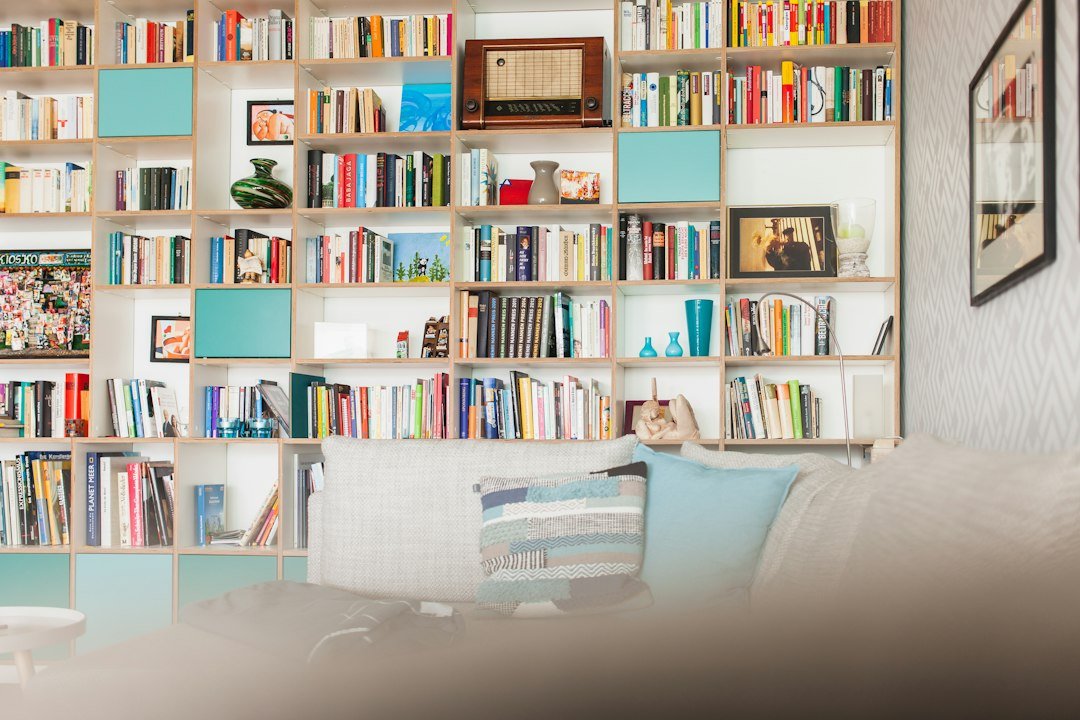
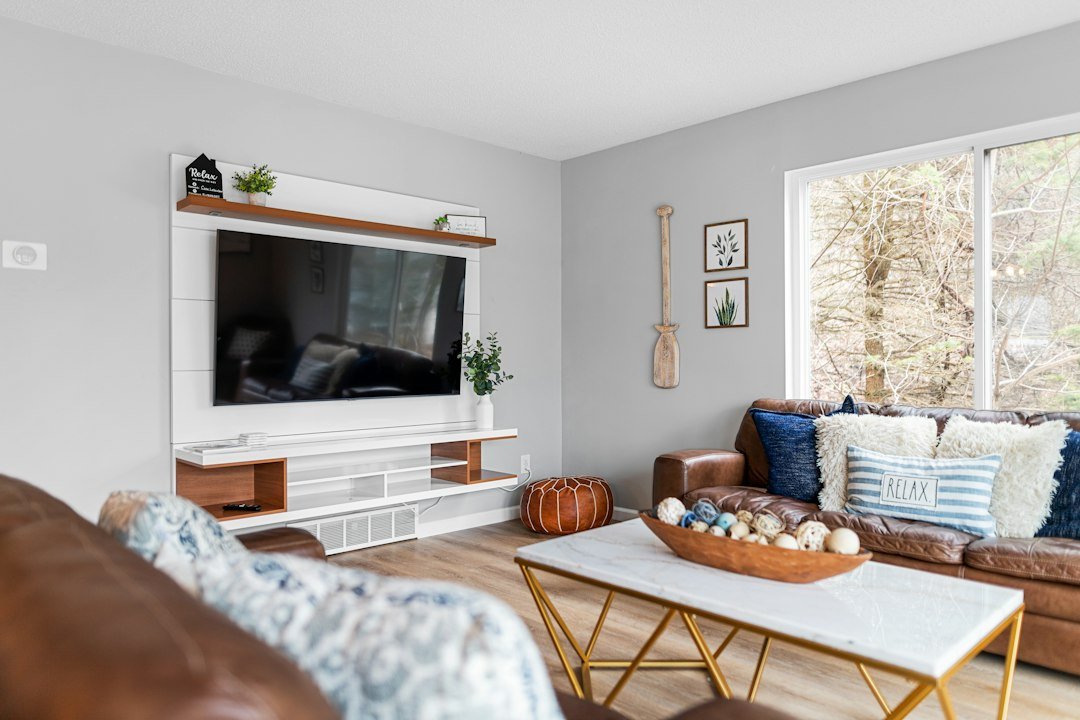
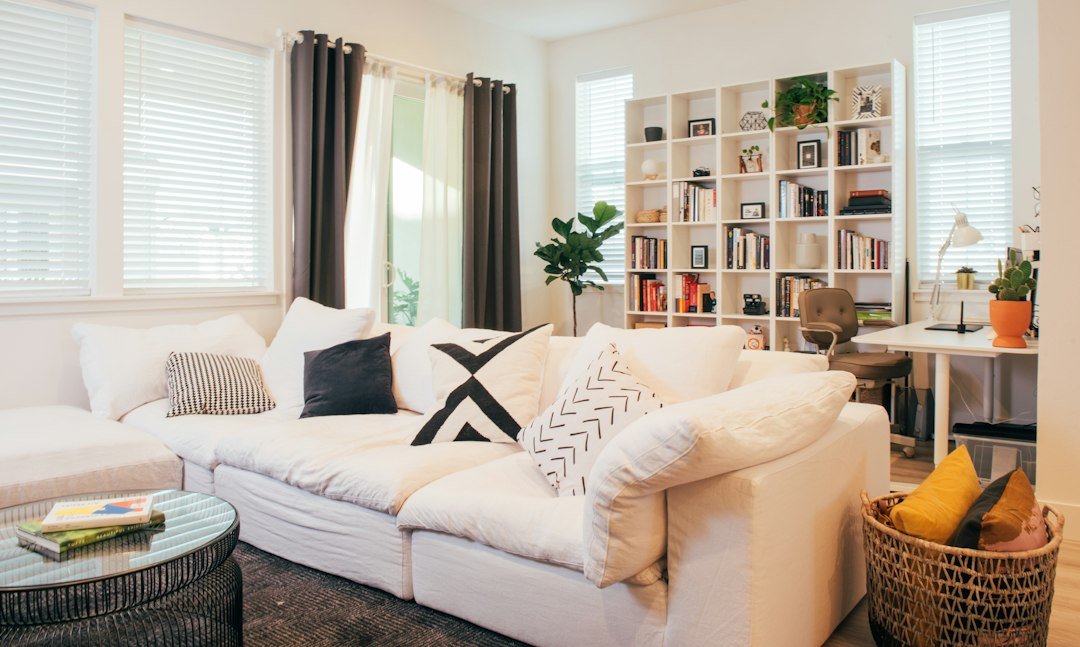
Remove non-living-room items first (school papers, dishes). Sort media, games, and throw blankets. Keep one decorative basket (or two) for blankets and one for children’s toys that you rotate. Clear coffee table clutter nightly into a single drawer or basket to reset the room for the next day.
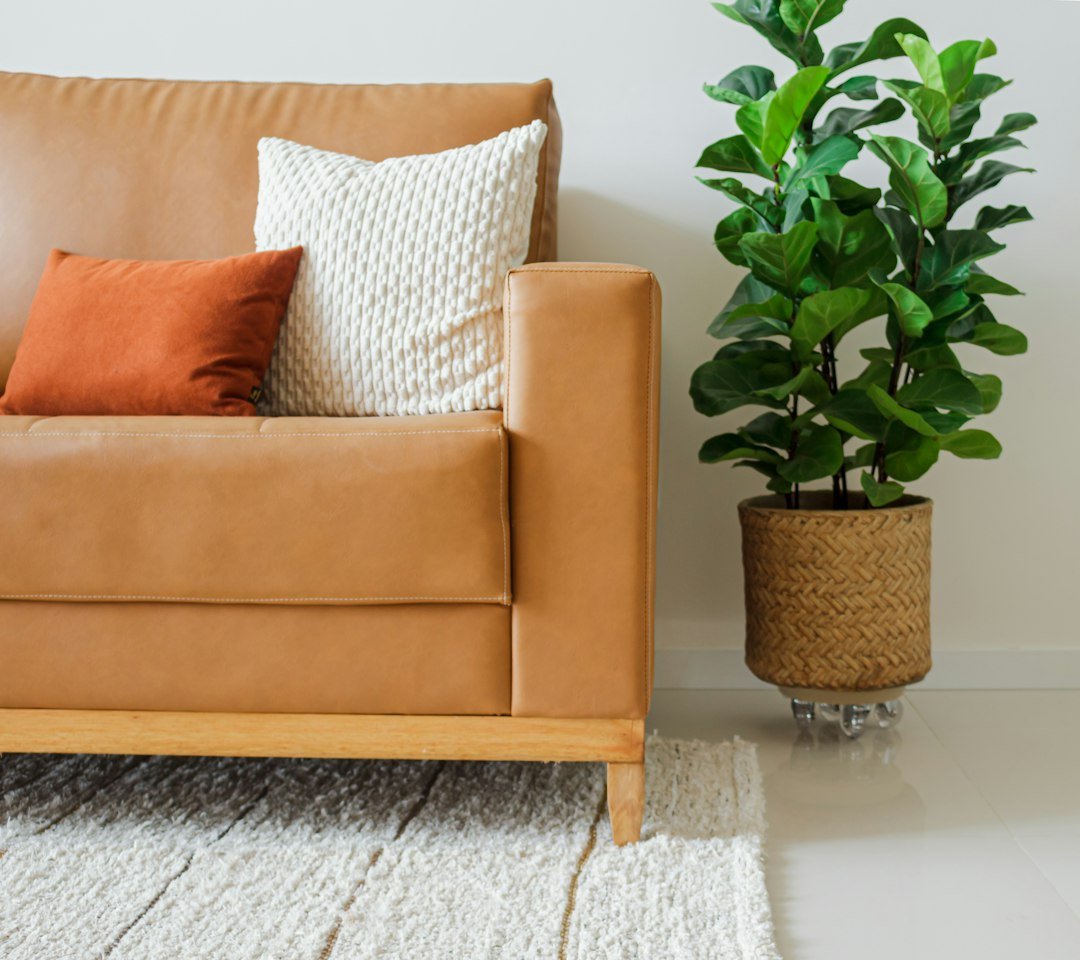
Product suggestion: for tidy common areas, a large decorative basket handles throws and occasional clutter without looking messy.
Bedroom: simplify clothing, prioritize sleep space
Start with clothes: make three piles—keep, donate/sell, mend. Apply the “one season + one week” rule: if you haven’t worn it last season and it’s not clearly for a special purpose, consider letting it go. Clear bedside surfaces to only what you use nightly. Use drawer dividers and labeled bins for accessories so mornings are faster.
Bathroom: small space, big impact
Clear the counter and medicine cabinet. Check expiration dates and toss old toiletries according to local rules. Use small, clear containers or drawer dividers for daily vs. occasional items. If multiple people share a bathroom, assign shelves or labeled baskets to avoid mixed-up products.
Home office and paper control: attack paper once
Paper is hidden clutter. Set up three shallow trays or boxes: action (to-do), file (keep), shred/recycle. Go through mail immediately—file or act. For important documents, use clearly labeled file boxes; for active projects, use a single desktop inbox limited to one week’s capacity. If you need durable storage, consider a clear file storage box so contents are visible and not forgotten.
Laundry and closets: combine purge with smart storage
Laundry room: remove products you never use. Add shelves or a sorter for family members. Closet purge: two-step—remove everything, then return only items that fit and that you love or need. Use same-size hangers to maximize space and uniformity. Fold seasonal items into labeled bins to free hanging space.
Garage and basement: separate trash, donate, keep
These spaces accumulate bulky items. Clear a working floor area first. Create zones: tools, seasonal, sports, donate/sell. Use clear or labeled bins on shelving and keep heavy items low. If something hasn’t been used in two years and has no clear seasonal purpose, move it to donate/sell.
Troubleshooting common stalls
- Decision fatigue: limit sessions to 30–45 minutes and walk away.
- Emotional items: photograph sentimental things you don’t want to keep physically, then let them go.
- Family resistance: do shared spaces together and allow each person one box of keepsake items.
- Pick a starting room and set a 30–45 minute timer.
- Sort items into keep/relocate/donate/recycle/trash as you go.
- Label any bins or shelves before returning items.
- Remove donation and trash immediately—don’t let them sit.
- Schedule weekly 10-minute resets for high-traffic rooms.
- Choose one storage product (basket, file box) per problem, not multiple.
Declutter your home by attacking rooms in a logical order, using simple decision rules and limited sessions. Focus on removing nonessential items, giving each room a clear purpose, and adding a single storage solution where needed to keep progress lasting.
How long will it take to declutter an entire home?
It depends on size and clutter level—small homes may take a weekend, larger homes several weekends. Use 30–45 minute sessions per room to avoid burnout and keep momentum.
What if I can’t decide about sentimental items?
Limit a keepsake box and photograph items you want to remember. If an object hasn’t been displayed or used, a photo keeps the memory without the space cost.
How do I prevent clutter from returning?
Adopt quick nightly resets (5–10 minutes) in high-traffic rooms and a weekly clear-out for mail and surfaces to prevent buildup.
Should I hire a professional organizer?
If decision fatigue, time constraints, or emotional roadblocks stall progress, a professional can speed the process and help set lasting systems.
What storage items are most useful?
Start with one large basket for living rooms and a clear file box for papers; add labeled bins for closets and a shallow tray for entryway essentials.