 Wishlist
Quick answer: a pantry that’s easy to use is zoned, visible, and designed around how you shop and cook
Organize a pantry by first deciding functional zones (breakfast, snacks, baking, canned goods, bulk staples), putting like items together in clear or uniform containers, placing frequently used items at eye level, and adding simple labels and a restock routine. This makes grabbing ingredients faster, reduces waste, and keeps your pantry tidy with minimal daily effort.
Decide the end-state: what “easy everyday use” looks like for you
Start by picturing three things: which items you reach for daily, where groceries are unloaded, and how often you shop. An easy pantry usually has: reachable everyday items (cereals, cooking oil, coffee) at shoulder to waist height; less-used bulk and specialty items on higher shelves; and snacks or kid-friendly foods in a lower, visible zone. Sketch a quick shelf map before you move anything.
Empty, sort, and create your zones
Take everything out. Sort into four piles: keep, toss/expire, relocate (belong elsewhere), and donate. As you sort, group by use—not by shape—so “breakfast” might include cereal, granola, coffee and jam even if those packages differ.
- Common practical zones: Everyday essentials, Breakfast/Quick meals, Snacks, Baking & Sweets, Canned goods & Condiments, Baking staples & Grains, Bulk items (flour, rice).
- Reserve a durable shelf or basket for overflow or temporary items (school papers, coupons) so they don’t creep into food zones.
Shelf planning: place items by frequency and weight
Organize shelves vertically by frequency: top for infrequently used or backup stock, middle for daily items, bottom for heavy or kid-accessible snacks. Place heavier containers (bulk rice, large oil bottles) on lower shelves and lighter ones above.
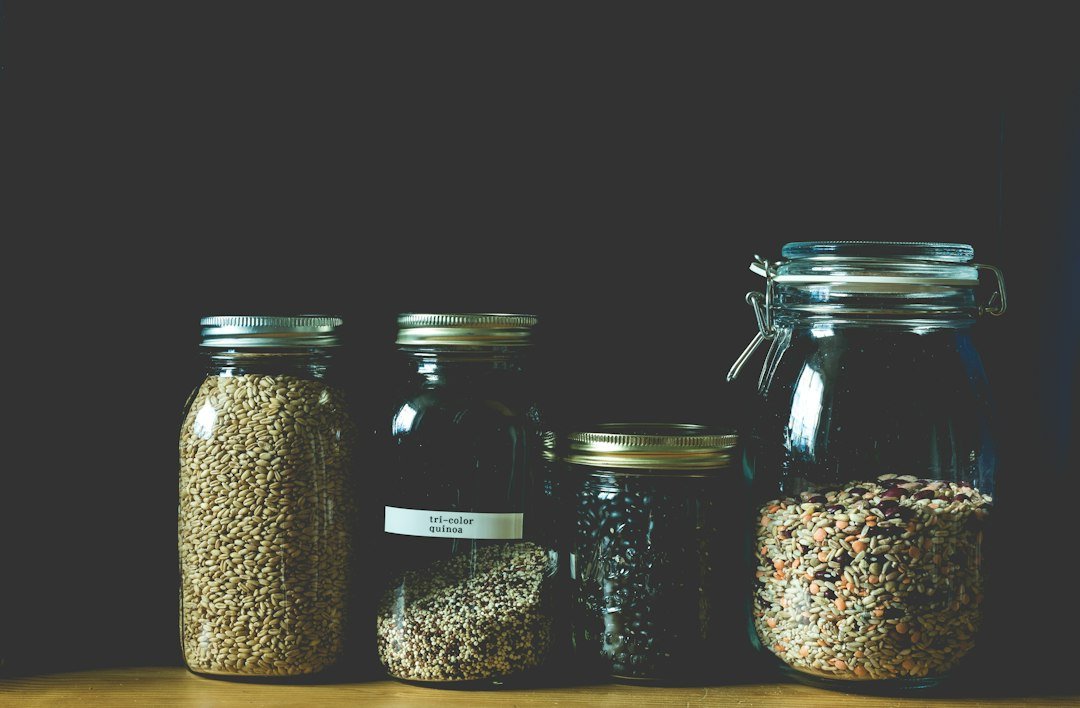
Choose containers that make items visible and uniform
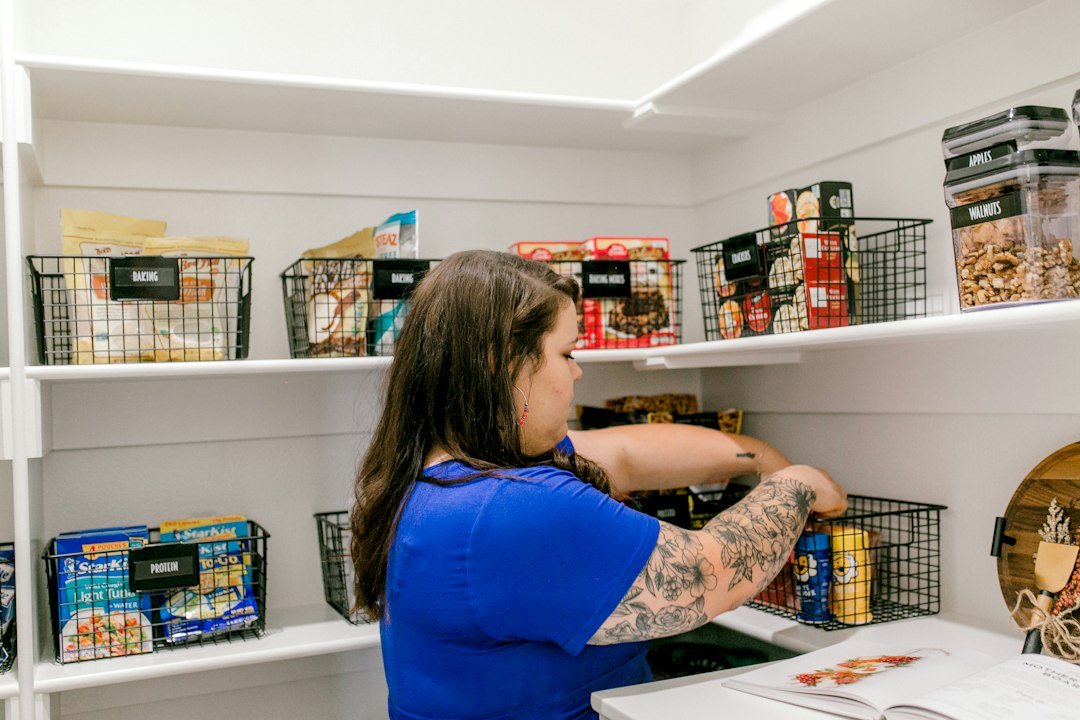
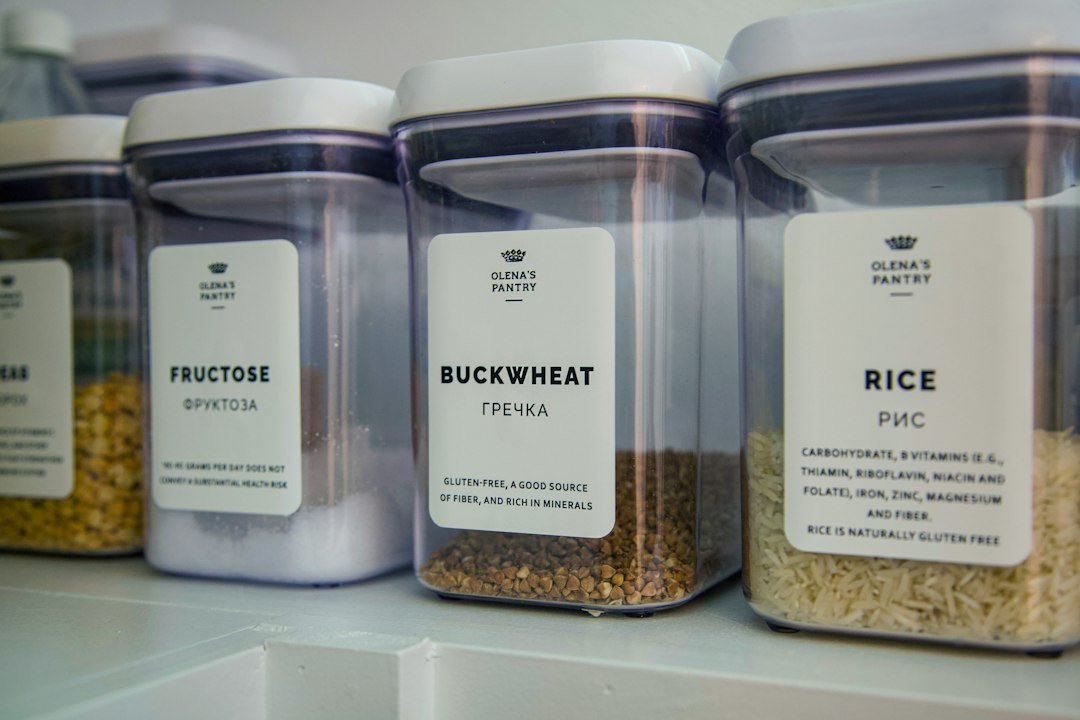
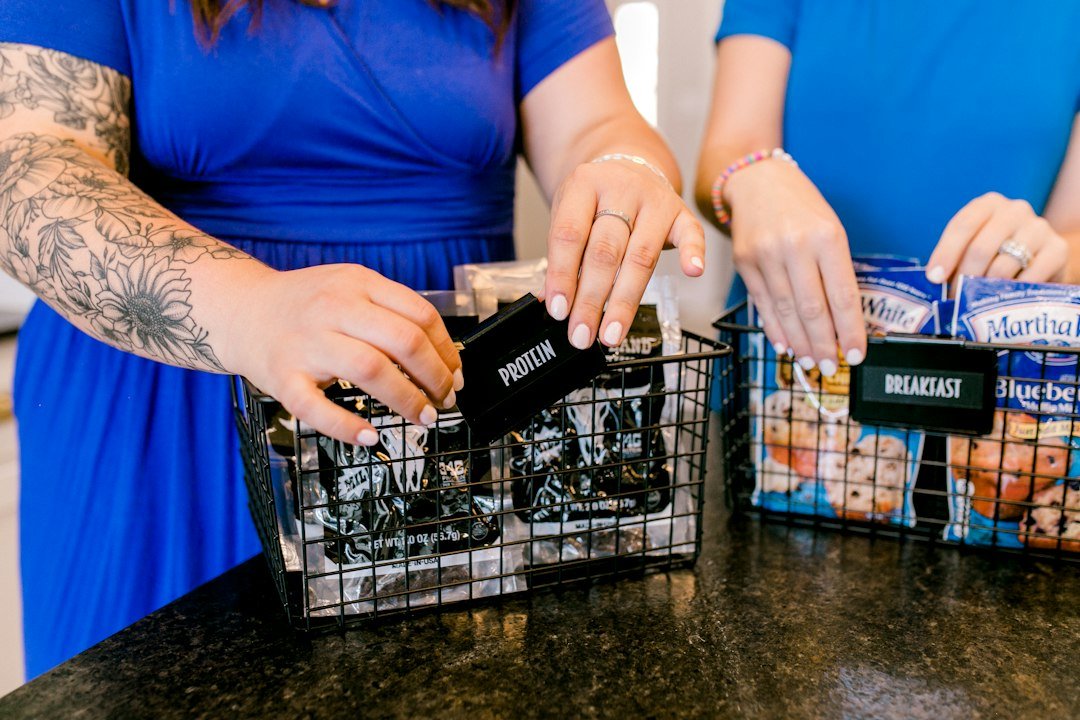
Clear, stackable containers and uniform bins simplify sightlines and maximize space. Transfer open-bag items (flour, rice, cereal) into airtight containers to keep things fresh and consistent. Use shallow baskets for snack packs so the oldest items stay at the front.
Tip: reserve glass jars for dry goods you buy in small quantities; use clear plastic bins for bulky or flexible items where breakage is a concern.
Labeling and first-in, first-out (FIFO)
Label every container with contents and a best-by date when possible. For bulk bins, write the purchase or open date on the lid. Arrange containers in a FIFO order—new stock behind older—so you use older items first and reduce waste.
Smart small organizers for common problem areas
Some parts of the pantry benefit from purpose-built gear. A tiered can organizer makes reading labels and grabbing cans quick; snack baskets keep small packages from spilling; over-the-door racks turn wasted door space into a spice or sauce zone. Use one or two problem-specific organizers rather than many mismatched products.
Make a simple inventory and restock routine
A short list saves shopping time. Keep a magnetic notepad on the pantry door or a running note on your phone. Scan shelves weekly or each shopping trip—cross items off and add low-stock items. For households on rotation schedules, set a biweekly “pantry check” to catch expirations and re-balance zones.
Keep everyday tasks easy with small habits
- Return items to their designated zone immediately after use.
- When unloading groceries, place new items behind older ones.
- Once a month, remove single-use packaging that creates clutter (extra boxes, plastic wrap).
Troubleshooting common pantry problems
Cluttered shelves despite bins
If bins get messy quickly, your zones may be too broad. Split a large “snacks” zone into “child snacks” and “adult snacks” or separate by package type (single-serve vs. bulk) so maintenance becomes easier.
Too many partial bags or half-empty boxes
Commit to containers for loose items; keep a few multi-size containers so you’re not forced to keep partial bags. A small label with the open date helps prioritize use.
Limited shelf depth or awkward heights
Use shallow baskets to pull items forward, and place a rolling or pull-out shelf on a deep space to prevent things disappearing at the back. For narrow pantries, vertical stacking and door racks reclaim usable area.
Adapting the plan for small pantries or shared kitchens
In a small pantry, prioritize concision: keep only weekly essentials on pantry shelves and store extras in another cabinet. In shared kitchens, mark zones with names or colored labels and agree on the inventory method so everyone follows the same restock rules.
- Empty and sort everything (keep, toss, relocate, donate).
- Create 5–7 functional zones based on how you eat.
- Use clear or uniform containers for dry goods and shallow baskets for snacks.
- Place daily-use items at eye/waist level and heavy items low.
- Label containers with contents and open/purchase date.
- Start a weekly or biweekly quick inventory and restock routine.
A pantry organized for everyday use reflects frequency, visibility, and small repeatable habits: group by purpose, store in clear or uniform containers, label, and rotate stock. This set-up reduces meal friction and food waste while staying low-maintenance.
How often should I clean and re-organize my pantry?
A quick weekly check to rotate stock and remove crumbs plus a full clear-and-sort every 6–12 months works for most households; more frequent checks help if you have many perishables.
What’s the best container type for bulk staples?
Airtight, stackable containers (plastic or glass) with wide openings are best for flour, sugar, and rice—choose plastic for heavier use or if breakage is a concern.
Can I use baskets instead of clear containers?
Yes—baskets hide visual clutter and are great for snacks or grouped items, but clear containers are better when you need precise visibility of quantities.
Where should I store canned goods?
Use a middle shelf or a tiered can organizer so labels face forward; heavier canned goods belong on lower shelves to avoid accidents.
How do I prevent pests in a pantry?
Use airtight containers, clean spills promptly, and check for infestations when you do monthly inventory. Store pet food in sealed bins and avoid keeping food past its best-by date.