 Wishlist
Why a "one-size-fits-all" organizer is usually the wrong choice
People often assume any tidy bin or tray will solve clutter. The single practical question that matters first is: where exactly will you use this organizer and what task should it make easier? A drawer utensil tray, a pull-out under-sink rack, and a pot organizer each solve very different problems. Start with location and function before you look at materials, style, or price.
Decide the primary use and priority for your organizer
List the task you want solved. Common priorities are:
- Daily-access tools (spoons, spatulas) — prioritize shallow, segmented trays in a drawer or a countertop caddy for reachability.
- Bulky cookware (pots, lids, pans) — you need vertical dividers, tiered racks or under-cabinet solutions that reduce stacking and scratching.
- Corner or hard-to-reach cabinets — pull-out trays or lazy Susans increase usable depth.
- Cleaning supplies under the sink — waterproof, pull-out or caddy-style organizers avoid moisture damage and allow quick retrieval.
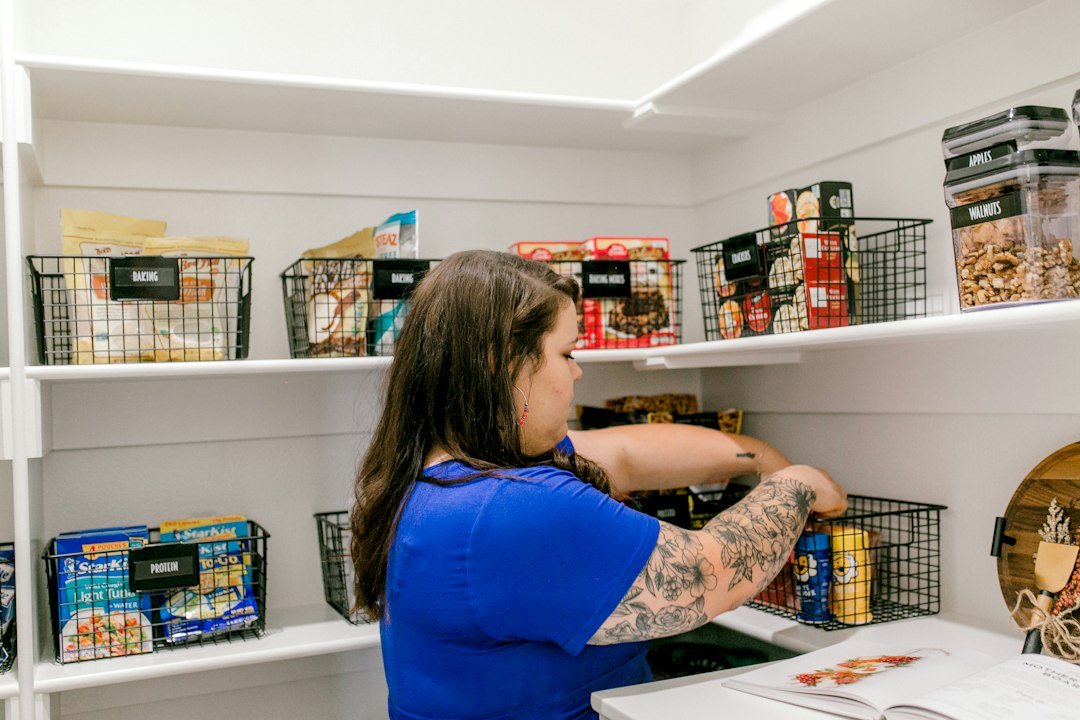
- Pantry staples — clear stackable bins and labeled baskets make inventory visible and reduce food waste.
Measure the space precisely before shopping
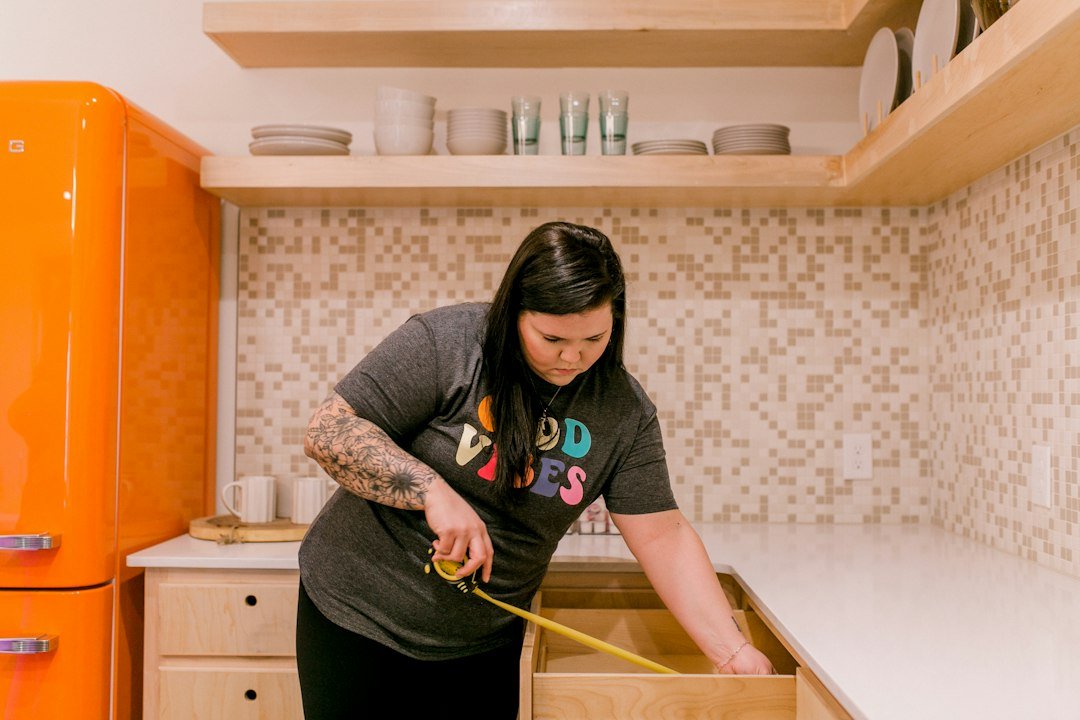
Measure width, depth and height where the organizer will sit, and note obstructions like hinges, plumbing or toe kicks. For drawers measure interior depth and available height under any false bottoms. For cabinets, open doors fully and measure from the door to the back wall and the interior clearance to any shelves. Accurate measurements eliminate most returns.
Material and durability: match environment to materials
Choose materials with the use case in mind:
- Plastic or BPA-free polypropylene: lightweight, waterproof — ideal for under-sink zones and pantry bins.
- Stainless steel or powder-coated metal: durable and good for heavy cookware racks or open shelving; choose rust-resistant finishes for humid areas.
- Bamboo or wood: warm visual finish for drawer dividers and countertop caddies but avoid near sinks or dishwasher exposure.
- Wire or coated mesh: allows airflow for plates and lids; select a protective coating if it will contact wet items.
Installation style and flexibility
Consider how permanent you want the solution to be and whether you’ll need to reconfigure later:
- Freestanding organizers — no tools, easy to move; great for renters and pantry zones.
- Adjustable or modular systems — allow resizing for new cookware or seasonal supplies.
- Mounted or screw-in units — provide the cleanest look and robustness for heavy loads but require drilling.
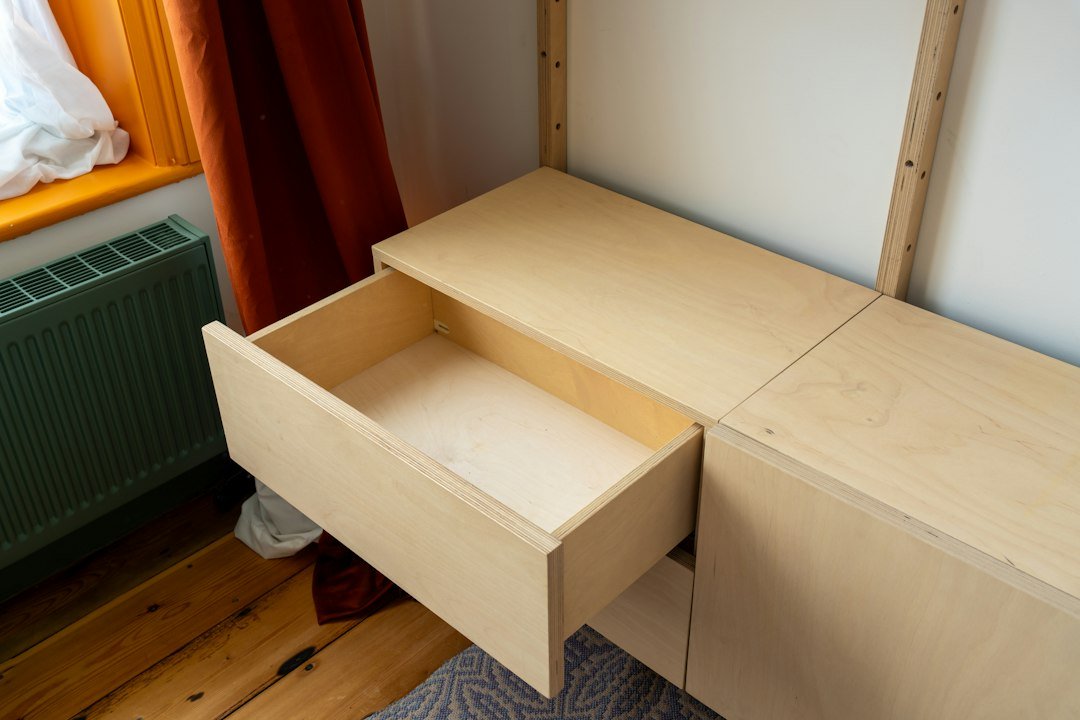
- Pull-out or sliding organizers — best for deep cabinets and under-sinks, but check weight limits and installation complexity.
Match features to common use cases
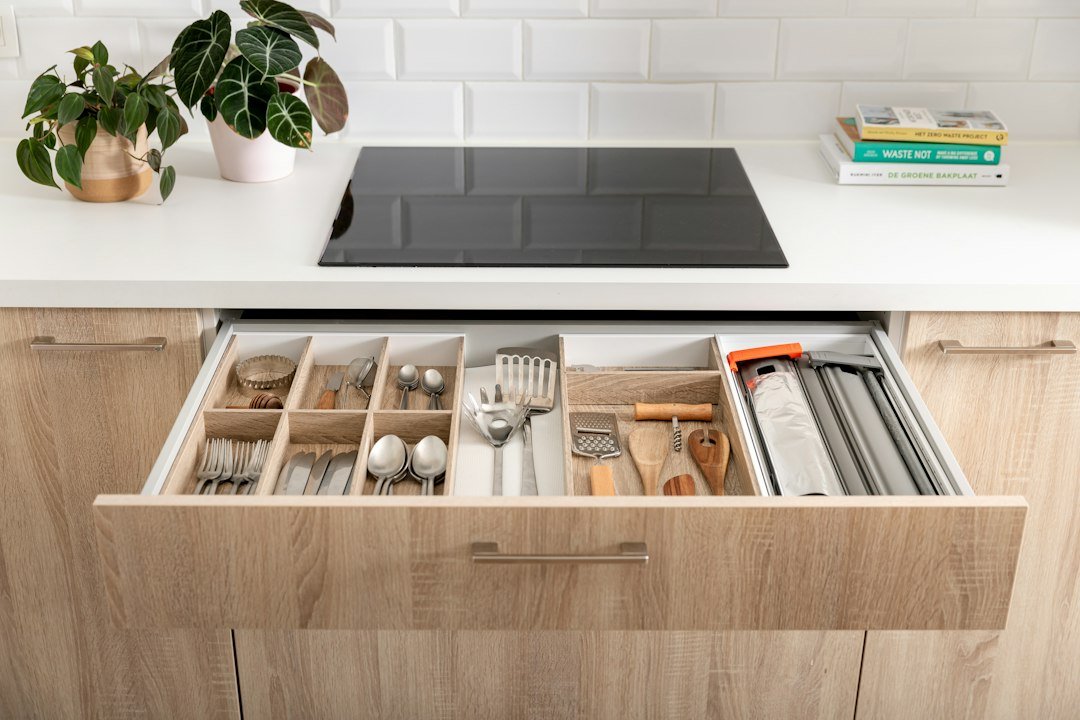
Drawer organization: cutlery and gadgets
Choose a drawer utensil tray with segmented compartments sized to your utensils. Look for adjustable dividers if you have oversized tools or a mix of cutlery and gadgets. Nonslip liners reduce shifting; bamboo trays offer a polished look but may need a protective liner for wet items.
Cookware: pans, lids and lids storage
Vertical dividers or tiered racks reduce the need to stack and scratch cookware. If you have deep cabinets, a pull-out pots and pans organizer is worth the investment because it brings items forward. For overhead cabinets, under-cabinet hanging racks reproduce vertical access while saving shelf space.
Recommended: for a solid, store-ranked option that fits many kitchens, consider a robust under-cabinet pot/pan organizer that expands to fit cabinet widths and holds several pans vertically.
Under-sink: cleaning supplies and bulky bottles
Waterproof pull-out trays or caddies with handles make removing cleaners easy and protect against spills. Measure for traps and valves; open-bottom sliding systems or baskets with cutouts for plumbing work best.
Pantry and open shelving: visibility and stacking
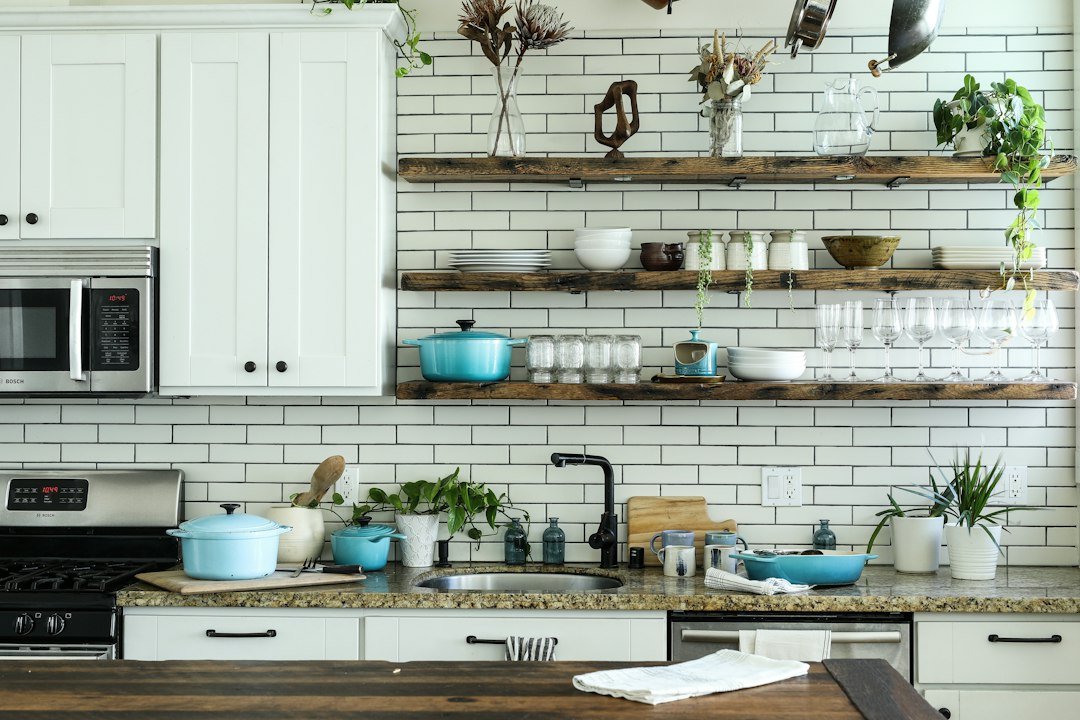
Clear, stackable bins keep dry goods visible and are easier to label. Use shallow front-facing baskets for snacks and deeper bins for bulk items. For canned goods, angled shelf risers present labels at eye level.
Countertop zones: quick-access tools
Counter caddies and utensil crocks are right where you cook; select heat- and grease-resistant finishes near the stove. For minimal counters, a wall-mounted rail or magnetic knife strip frees surface space while keeping tools handy.
Trade-offs and small details that make a big difference
Think beyond immediate looks. Ventilation matters for items that may be slightly damp. Smooth glides and soft-close slides add longevity; cheap hardware can fail even if the organizer looks good. Consider ease of cleaning—removable trays and wipeable finishes save time.
How to prioritize when multiple needs compete
If you must choose one organizer first, base the decision on frequency of use. Make the daily workflow easier: prioritize drawers and countertop caddies for items you use every day; address bulky cookware later. If a single problem causes most of your frustration—like a jammed under-sink area—solve that first to create clear, visible wins.
Quick product picks that solve common needs
The store’s top-ranked pots-and-pans organizer (ID 3245) is a strong fit if your problem is bulky cookware stored in a cabinet and you want vertical access without complex installation. For drawer needs, look for adjustable silverware organizers; for under-sink pull-outs, choose waterproof sliding trays sized to your cabinet interior.
Next steps: plan, test and adapt
Before you buy, sketch the cabinet or drawer interior with measurements and the items you plan to store. If possible, test-fit by placing boxes or folded towels in the space to simulate how the organizer will handle the items. Buy the most flexible option you can afford; adjustable pieces reduce the chance of outgrowing the solution.
- Measure width, depth and usable height of the intended space.
- List the exact items you will store and how often you use them.
- Choose material suited to the environment (waterproof for sinks, metal for heavy cookware).
- Decide between freestanding, adjustable or mounted based on permanence and load.
- Check installation requirements and any plumbing or hinge obstructions.
- Prefer adjustable or modular units when possible to allow future changes.
Pick an organizer that matches the specific location and daily task first, measure precisely, and choose material and installation type that suit weight and moisture. If you only buy one item, prioritize the area that most interferes with your everyday cooking—usually drawers or the cookware cabinet.
How do I know whether to get a drawer tray or a countertop caddy?
Choose a drawer tray if you have a dedicated drawer near prep areas and want hidden storage; pick a countertop caddy if you need constant easy reach while cooking and have limited drawer space.
Can I use a freestanding organizer in a cabinet?
Yes, but ensure it fits with a small clearance for doors and allows airflow; freestanding options are best for renters or if you want to test placement first.
What is the best organizer for pans to avoid scratching?
Vertical dividers or tiered racks that separate each pan reduce contact and scratching; look for padded dividers or rubber feet for extra protection.
Are pull-out under-sink organizers hard to install?
Some are simple slide-in baskets, while others require mounting slides. Measure for plumbing obstructions and pick a design rated for the expected weight; professional install is optional for complicated cabinets.
How do I keep pantry bins organized and visible?
Use clear stackable bins with labels and group similar items together; shallow bins for snacks and deeper ones for bulk goods make retrieval easier.