 Wishlist
Start with one practical observation
Most small closets aren't broken—they're underused. A few targeted fixes that prioritize vertical space, consistent containers and accessible zones will transform a cramped closet into a calm, functioning part of your routine. Below are 15 closet organization ideas you can mix and match depending on closet size, clothing habits and budget.
1. Maximize vertical space with stackable closet organizers
Use stackable shelf organizers to convert tall empty shelf height into usable storage for sweaters, jeans or bins. Clear or neutral-colored stacks keep sight lines tidy and make it easy to pull an item without disturbing the rest.
2. Create distinct zones for daily vs. seasonal items
Dedicate the most accessible rod and shelf to the clothes you wear daily; move off-season items to upper shelves or under-bed storage. This small rule reduces decision friction every morning.
3. Swap bulky hangers for slim, uniform ones
Slim velvet or wooden hangers free up inches per garment and keep clothes from shifting. Uniform hangers also make visual volume easier to judge, reducing repeated purchases of similar items.
4. Use double-hang rods to double hanging capacity
Installing a second rod below the main one is an inexpensive, high-impact change—great for shirts and skirts. If you have a mix of long and short items, make the lower rod removable or install it only where needed.
5. Add shelf dividers to keep stacks from toppling
Small vertical dividers stop piles of sweaters or jeans from cascading when you remove an item. Clear acrylic dividers let you see the stack while keeping it rigid.
6. Fit shoe slots or tiered racks to reclaim floor space
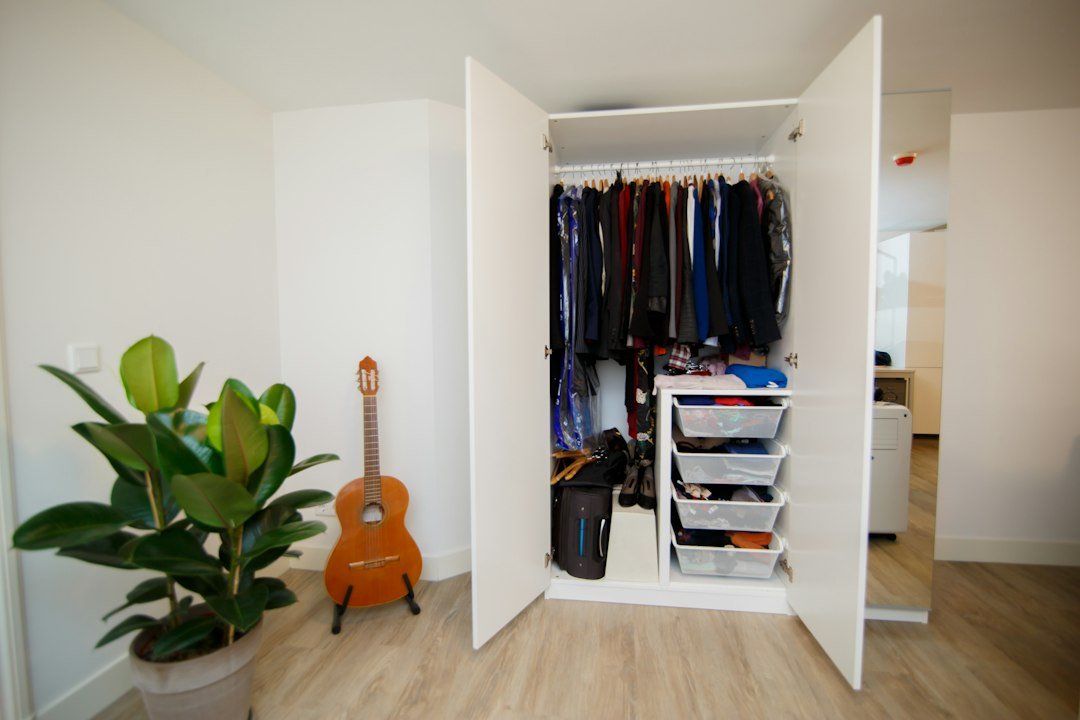
Shoe slots (two shoes stacked in one footprint) and slim tiered racks can immediately free 30–50% of floor area. Reserve floor space for large items—laundry hamper, luggage—rather than a shoe pile.
7. Try over-the-door organizers for accessories and shoes
Over-the-door pockets are a low-effort way to store small items—scarves, belts, flip-flops—without drilling into shelves. Choose slim pockets to avoid crowding the room when the door is closed.
8. Use clear, labeled bins for small things
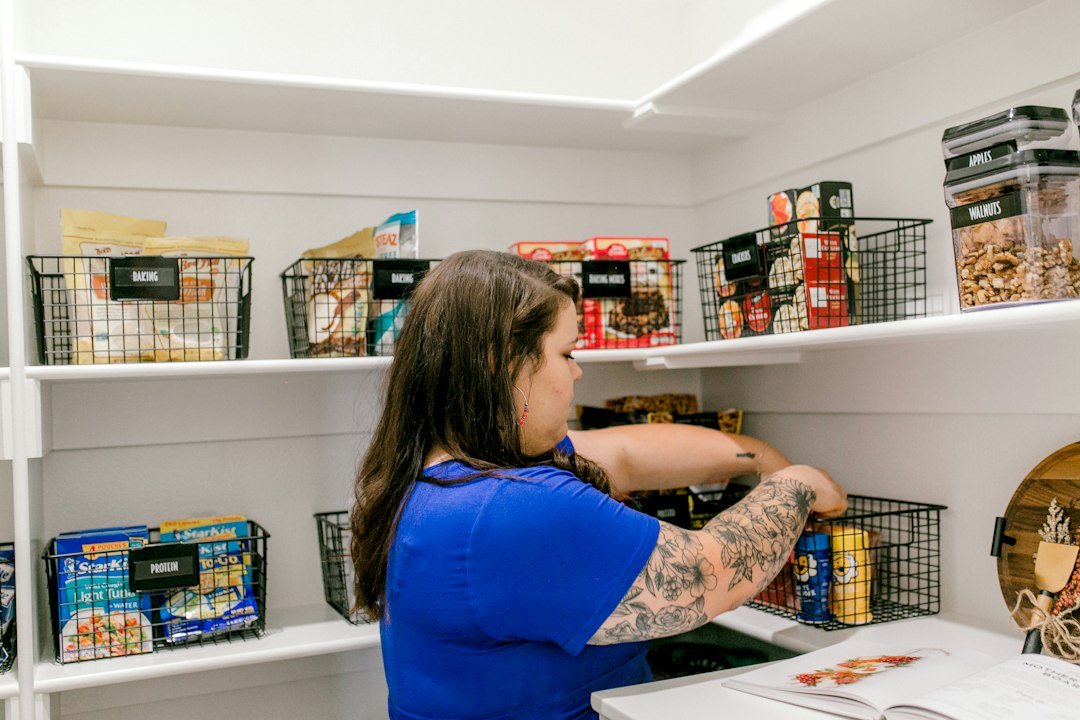
Transparent bins on high shelves let you find scarves, swimwear or hats quickly; add a small label for fast identification. Group similar items together and avoid overfilling containers so they slide easily.
9. Implement a “visible outfit” rack for the week
Reserve a short rail or a few empty hangers for outfits planned that week. It reduces morning choice overload and keeps laundering cycles visible. Rotate only items you plan to wear in the next seven days.
10. Hang an accessory board or small hooks on the inside wall
Thin pegboards or adhesive hooks keep necklaces, hats and crossbody bags untangled and visible. Position hooks at different heights to use otherwise dead vertical space.
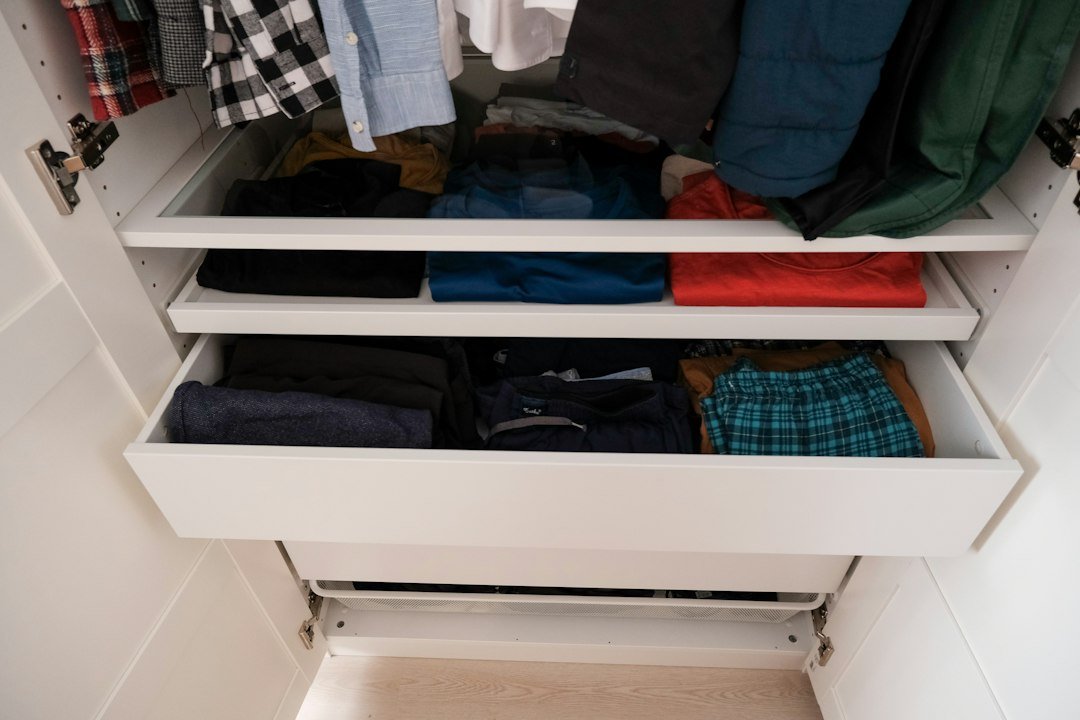
11. Fold smarter: roll or file fold for drawers and bins
Rolling tees and underwear or using file-folded shirts in shallow drawers lets you see everything at once. This approach reduces rummaging and keeps drawers from becoming catch-alls.
12. Convert a corner with a hanging shelf or cubby unit
Closet corners are often wasted. A hanging shelf or small cubby unit turns that awkward wedge into tidy storage for shoes, hand bags or folded denim. Measure depth carefully—the unit should not block the door or hangers.
13. Keep a purge basket inside the closet
Place a small basket for items to donate, mend or repair. When it fills, schedule a quick drop-off run. Making removal easy prevents the closet from becoming a holding pen.
14. Use a slim valet rod for outfit planning and short-term airing
A pull-out or slide-in valet rod holds a planned outfit, items that need spot treatment, or a freshly steamed shirt. It’s more flexible than overloading hangers and keeps the main rod neat.
15. Light it up—battery puck lights or LED strips improve decision-making
Good lighting reveals colors and prevents mistakes (like buying duplicate items). Battery-operated puck lights or adhesive LED strips are easy installs and make small closets feel larger.
Quick planning notes before you start
Measure your closet’s height, depth and door swing. Think in terms of vertical layers: floor, lower rod, upper rod, top shelf. Prioritize quick-access zones for daily items and use containers that slide or stack instead of loose piles.
- Measure closet dimensions and door clearance.
- Identify 1–2 high-use zones (daily clothes, shoes).
- Choose stackable bins and uniform slim hangers.
- Add a purge basket for donations and repairs.
- Install lighting if visibility is poor.
Small-closet organization succeeds when you combine vertical solutions, consistent containers and a simple maintenance habit. Start with one change that reclaims space (stackable organizers or a second rod) and build from there.
How do I maximize hanging space in a small closet?
Use slim uniform hangers, install a second lower rod, and remove bulky coats from the main season if possible to free space for frequently worn items.
What’s the best shoe storage for tight closets?
Shoe slots or tiered racks save floor space; over-the-door pockets work for flats and sandals, while clear stackable boxes protect and show shoes on high shelves.
Are DIY shelf dividers worth it?
Yes—simple dividers keep folded stacks neat and are often cheaper than full shelving systems, especially when you only need to tame a few problem shelves.
How often should I declutter my closet?
A quick seasonal review (every 3–4 months) keeps items current; a small weekly purge basket prevents small clutter from piling up into larger problems.