 Wishlist
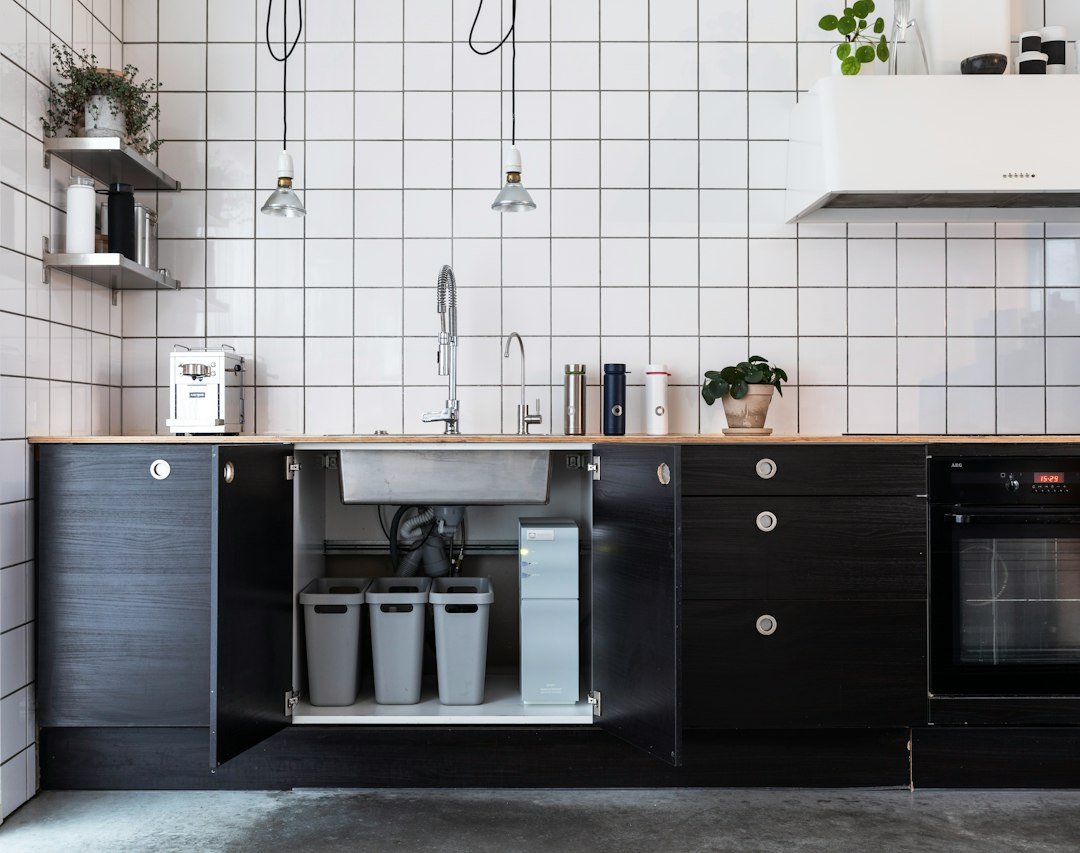
Bottom line: organize under the kitchen sink by removing everything, measuring carefully around pipes, grouping by use, and choosing pipe-friendly organizers (pull-outs, L-shaped baskets, vertical caddies) so every cubic inch is usable without blocking plumbing.
Do this once and you’ll gain easy access, reduce spills, and stop wasting the awkward dead space created by the P-trap and disposal. The rest of this guide walks through a practical order: clear, measure, choose, arrange, and maintain, with quick fixes for common problems.
Clear everything out and sort by necessity
Start with a full emptying. Lay items on the counter and sort into four piles: keep under sink, relocate, toss/recycle, and hazardous (needs proper disposal). Typical under-sink keepers: daily dish soap, surface sprays, sponges, garbage bags, and the sink’s immediate tools. Items to relocate: infrequently used chemicals, paper goods, or backup supplies better kept in a utility closet or pantry.
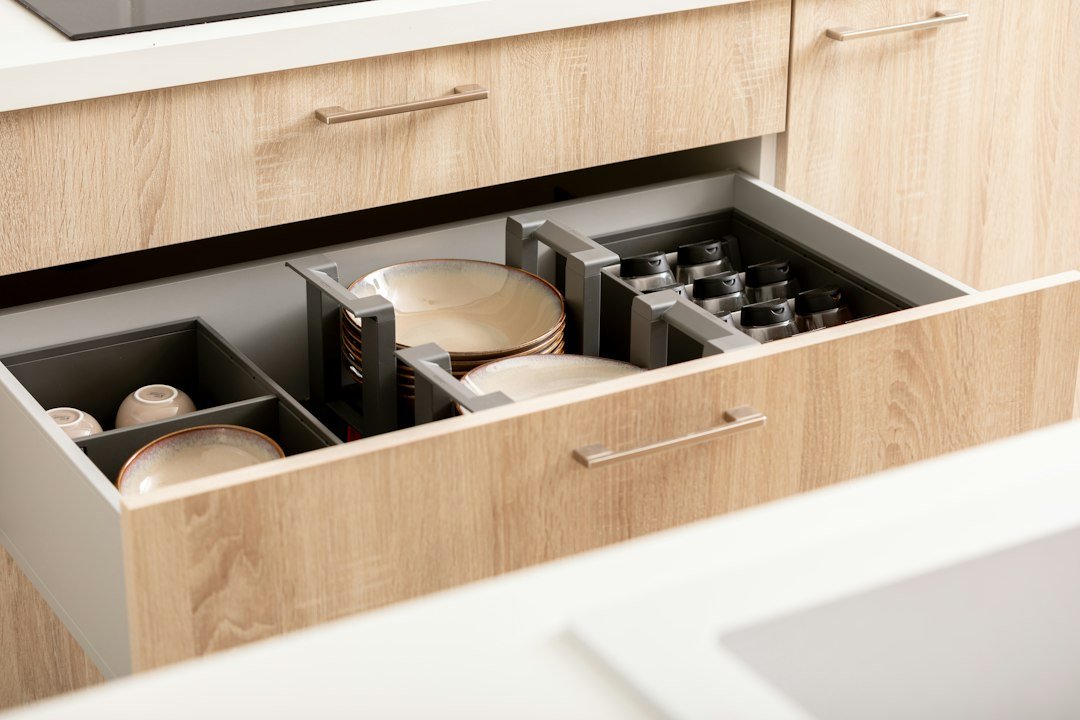
Why sort first? It immediately frees space and prevents buying organizers that merely hide clutter.
Measure the cabinet and map the plumbing obstacles
With the cabinet empty, measure inside width, depth, and the usable height on each side of the P-trap and disposal. Note fixed obstructions: water lines, shut-off valves, or vents. Sketch a quick plan—most wasted space comes where straight shelves don’t fit around pipes.
Key dimensions to record
- Full cabinet width and depth (front-to-back).
- Distance from left and right inner walls to the centre of the P-trap.
- Maximum vertical clearance at the cabinet sides (under the sink tailpiece vs. at the back).
Choose the right type of organizer for the space
Pick an organizer that works with the plumbing layout, not against it. Below are the most practical options ordered by how often they solve “wasted space” issues.
- Pull-out drawers or baskets — Best for full-width access and deep cabinets. They maximize usable depth because you can reach items at the back without emptying the front. Ideal when the P-trap sits centered but leaves side clearance.
- L-shaped or C-shaped baskets — Built to wrap around pipes; perfect if the P-trap reduces central vertical clearance. These convert dead central space to useful storage on either side.
- Tiered stackable baskets or risers — Use vertical space beside pipes. Great for grouping small bottles and sponges on multiple levels.
- Vertical caddies and slim racks — Store trash bags, cutting boards, or spray bottles upright along cabinet walls; they use narrow gaps that otherwise go unused.
- Lazy Susan (turntable) — Works in cabinets without a large obstruction and for looser items that you want to reach from the center.
Product note: the PXRACK Under Sink Organizer (ID 1019) is a strong match if you need an adjustable C-shape design that saves space around pipes. Consider it when you have side clearance but limited center reach.
Arrange items by frequency and function
Create zones: daily-use, weekly-use, and overflow. Place daily items (dish soap, scrubbers, hand soap) near the front or in the top pull-out. Store occasional-use chemicals and bulk refills on higher or back shelves—or move them out of the sink cabinet entirely.
Use small clear caddies for grouped items like sponges, dish brushes, and caps. Labeling front-facing caddies speeds identification and discourages dumping miscellaneous things into the cabinet later.
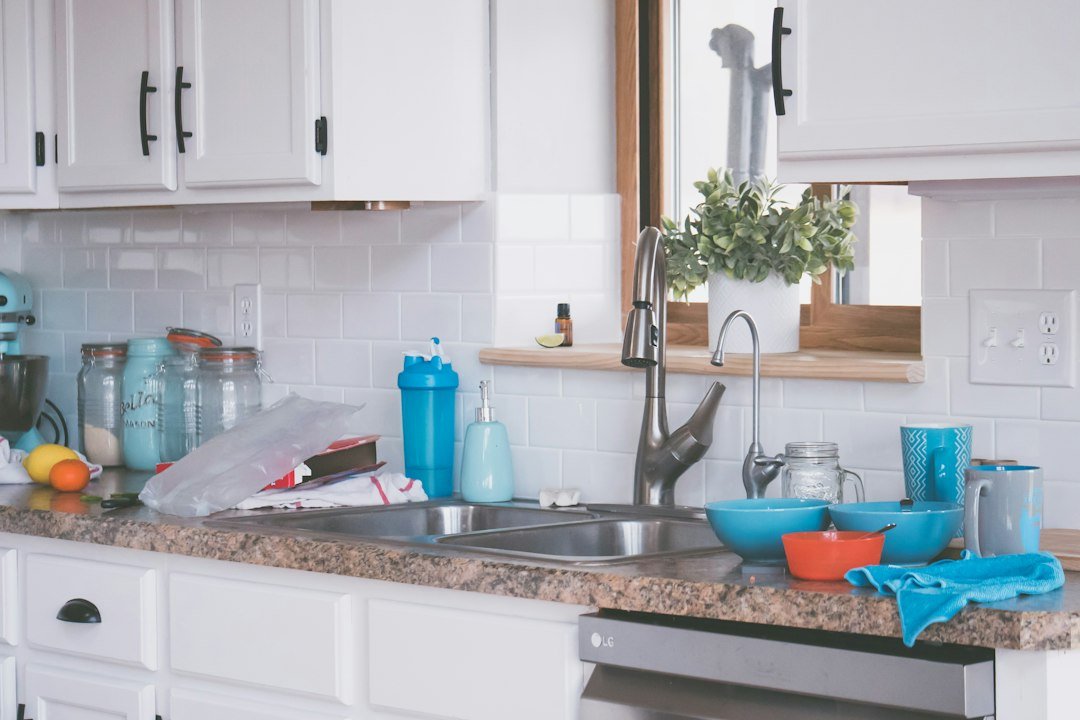
Make the most of awkward spaces
- Install adhesive hooks on the cabinet door for gloves, brushes, or a small trash bag roll.
- Use tension rods or small spring-loaded rails to hang spray bottles by their nozzles, freeing base space.
- Place a slim bin directly behind pipes for small, flat items (drawer liners, zip-top bags).
Protect the cabinet and simplify spills
Line the bottom with a waterproof, cut-to-fit shelf liner or a shallow plastic tray. If a leak occurs, liners make cleanup trivial and protect wood from swelling. Keep a small absorbent mat or a folded towel under connections as an early leak indicator.
Attach a small LED motion light to the cabinet ceiling; it makes retrieval easier and discourages storing low-use items in dim, forgotten space.
Maintenance: quick weekly checks that keep space usable
Every two weeks, do a 2–3 minute check: ensure no drips, return items to their caddies, and drop expired chemicals into your hazardous waste pile. Repeating this short habit prevents clutter from accumulating and turns your under-sink zone into a reliable tool drawer.
- Empty cabinet and sort: keep, relocate, toss, hazardous.
- Measure width, depth, and clearances around the P-trap.
- Choose an organizer (pull-out, L-shaped, or tiered) that accommodates pipes.
- Group daily items in front caddies and label them.
- Install a waterproof liner and a motion light for visibility.
- Schedule a short maintenance check every two weeks.
Solving under-sink wasted space is mostly about planning: clear the cabinet, measure around plumbing, and select organizers that work with—not against—the pipes. Combine a pipe-friendly organizer with clear caddies and a liner for a durable, easy-to-maintain system.
Can I install a regular shelf under the sink?
Only if plumbing and vertical clearance allow; most regular shelves waste space where pipes intrude. Prefer adjustable or L-shaped shelving that avoids the P-trap.
How do I store hazardous cleaning chemicals safely?
Keep them upright in a designated caddy, away from children and pets. If possible, store large or rarely used chemicals in a ventilated utility room and recycle empties properly.
What’s the best way to prevent leaks from damaging the cabinet?
Use a waterproof tray or liner and a small absorbent pad under fittings; check monthly for drips and tighten connections early.
Are pull-out organizers hard to install?
Basic pull-outs usually require just a few screws and can be installed by a confident DIYer; choose models sized to your cabinet measurements.
Where else should I store bulk paper products or backup cleaners?
Move bulk items to a pantry, garage, or closet to keep the sink cabinet dedicated to immediate cleaning and sink-use items.