 Wishlist
Quick answer: Start with one small, high-use habit spot
Make life easier by organizing the places you use every day: a morning launchpad (entry table or hook wall), a functional kitchen zone, and one drawer or shelf you can maintain weekly. Those targeted wins reduce daily friction immediately; follow with the broader swaps below.
1. Create a daily launchpad at the entry
Designate one surface for keys, wallets, masks, and outgoing mail. Use hooks for coats and a shallow tray for loose change and electronics. A visible mail sorter or simple wall pocket cuts the “where did I put it?” time at departure and return.
2. Keep one “command” kitchen zone for daily meals
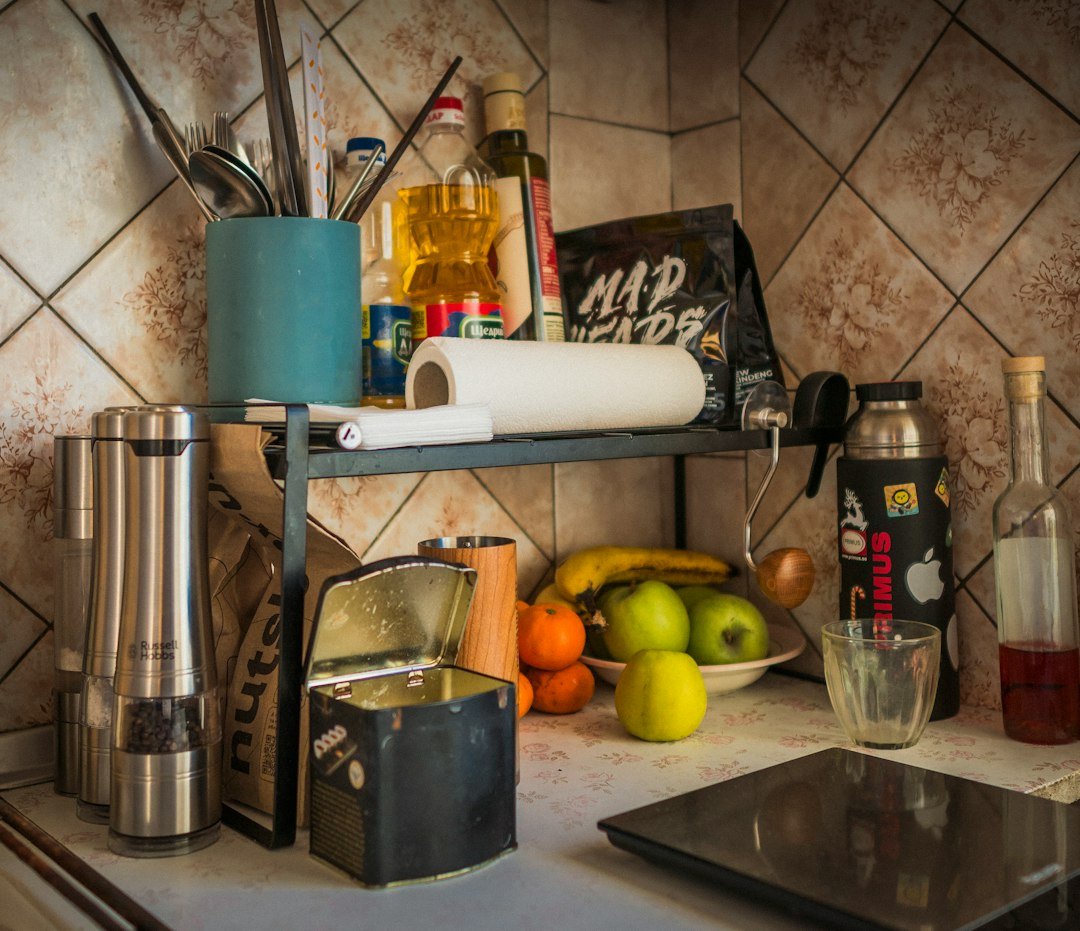
Group frequently used items—coffee, mugs, can opener, cutting board—within one easy reach. Move rarely used appliances to another cupboard. The fewer places you touch during a task, the faster you’ll finish it.
3. Use drawer dividers for small, messy drawers
Replace pile storage with bamboo or adjustable dividers to separate utensils, chargers, or socks. Even inexpensive dividers make items visible and stop everything sliding into a jumble.
4. Install an under-sink organizer
Under sinks are dark and deep—sliding baskets or tiered organizers turn them into practical storage for cleaners, sponges, and extra toiletries. Label the baskets so family members return items to the right place.
5. Use clear file boxes for paperwork you keep
Instead of loose stacks, keep active paperwork in a single clear file storage box labeled by category (bills, warranties, school). When a box fills, decide to archive, scan, or shred—don’t add a second box.
6. Over-the-door racks for pantries and closets
An over-the-door pantry rack makes use of vertical space for pans, wraps, or snacks; in closets, use them for shoes or scarves. Measure your door before buying to ensure fit.
7. Adopt the “one in, one out” rule for clothing
When you buy a new garment, donate or recycle one you no longer wear. This simple habit prevents slow accumulation and makes seasonal swaps easier.
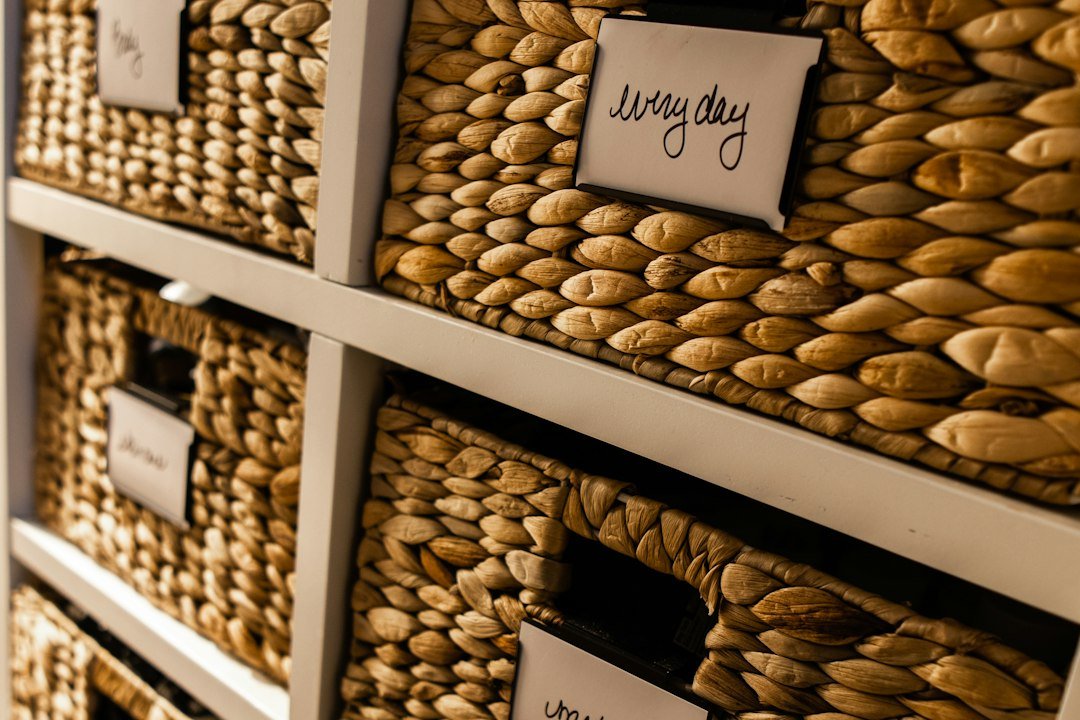
8. Corral small items in baskets with labels
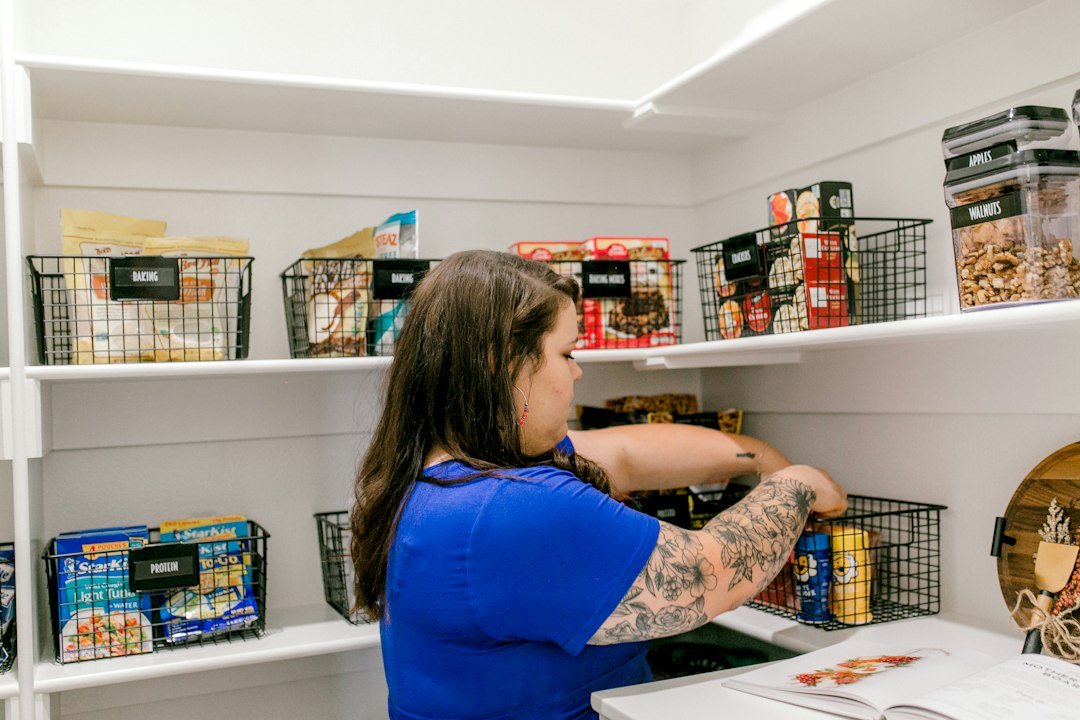
Group like with like—remotes, chargers, makeup, pet supplies—and keep each in a labeled basket. Baskets hide visual clutter while still making contents easy to access.
9. Use shelf dividers for folded items
Shelf dividers keep sweaters and towels from toppling into a pile. They’re especially helpful for shared closets or linen shelves where different people reach items differently.
10. Keep a five-minute tidy routine
Set a daily alarm for a short sweep: clear counters, return stray items to the launchpad or their baskets, and fold one throw blanket. Short, consistent effort prevents long, exhausting decluttering sessions.
11. Store like items together, not by room
If you’re a crafter who stores glue and tape in three rooms, consolidate them into a single labeled bin. Grouping by activity (baking, cleaning, office) reduces time hunting for supplies.
12. Mount common tools on walls
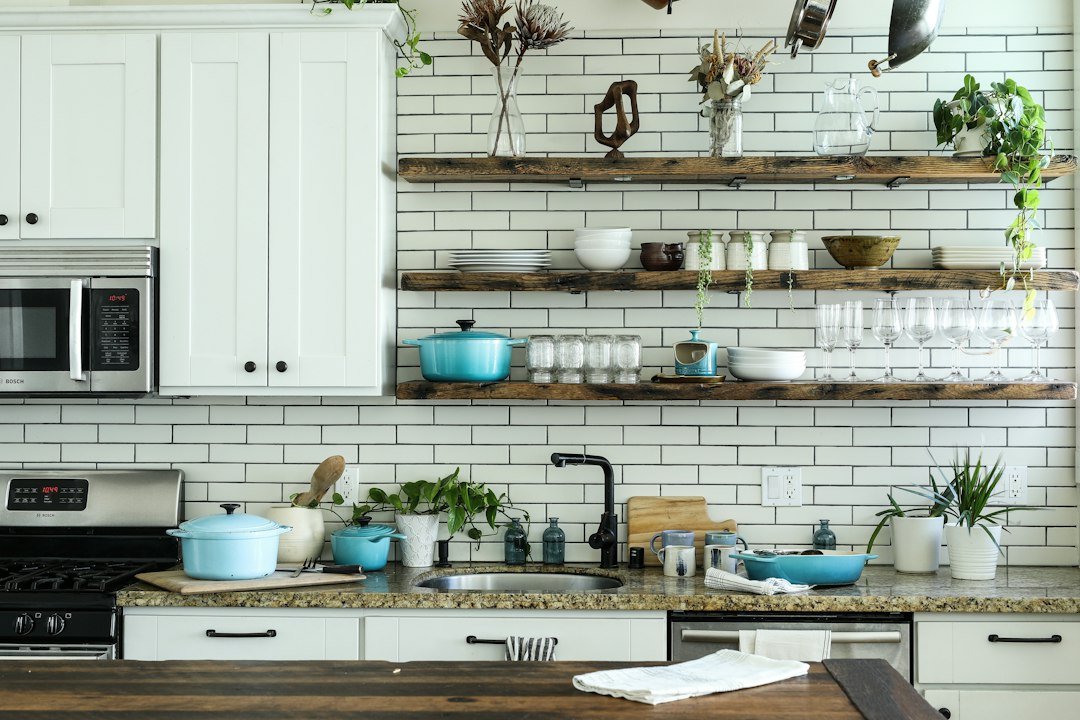
Install a pegboard or installed rails in the kitchen, garage, or laundry room for frequently used tools: pots, brooms, scissors. Wall storage frees floor and counter space and keeps tools visible.
13. Make toiletries accessible with caddies
Use a portable caddy for kids’ bath supplies or shaving items so everything travels to where it’s needed. In shared bathrooms, personal caddies prevent mix-ups and make cleaning faster.
14. Keep a donation bag in a consistent spot
Place a collapsible bag in a closet or utility room for items you no longer need. Once it’s full, schedule pickup or a drop-off date. This removes the decision barrier that causes clutter to accumulate.
15. Use visual labels and short lists
Clear labels on baskets, shelves, and boxes remove ambiguity—especially helpful with kids or housemates. For complex zones (pantry, craft area), a short laminated list of where things belong keeps everyone consistent.
- Choose one high-use area to fix first (entry, kitchen, or a drawer).
- Measure spaces before buying organizers or racks.
- Sort items into keep, donate, toss—be decisive.
- Add labels or baskets to maintain order.
- Schedule a weekly 5–10 minute reset on your calendar.
Small, targeted changes—an entry launchpad, grouped kitchen zones, and one drawer with dividers—deliver the most daily benefit. Combine those with short maintenance habits and a donation bag to keep progress.
How do I choose which spot to organize first?
Pick the place you touch most each day—entryway, kitchen counter, or a junk drawer. Early wins there reduce daily friction and motivate further change.
What’s the cheapest way to start organizing?
Use baskets, repurpose shoeboxes, and print simple labels. Decluttering first reduces the need to buy storage.
How often should I declutter?
Do a five-minute tidy daily and a deeper 30–60 minute declutter session monthly for problem zones.
Which product helps most for paperwork?
A clear file storage box keeps active documents contained and visible; archive or scan periodically to avoid overflow.
Are over-the-door organizers worth it?
Yes—if your door dimensions fit. They maximize unused vertical space without shelves or drilling.